
When you think of Lego, what comes to mind? Denmark, liberal values, colorful bricks, imaginative builds, and perhaps a nostalgic trip down memory lane? For many, these little plastic pieces represent creativity and endless possibilities.
However, in recent years, Lego has taken significant strides toward inclusivity, particularly in its representation of the LGBTQ+ community. This shift reflects a broader societal change, where acceptance and diversity are increasingly celebrated. The introduction of LGBTQ+ themes in Lego sets is not merely a marketing strategy; it’s a powerful statement about the importance of representation in toys and the messages they convey to children.
The world of Lego has always been about building—both in the literal sense and in terms of community. As society evolves, so too does the understanding of identity and belonging. The inclusion of LGBTQ+ themes in Lego sets serves as a reminder that everyone deserves to see themselves represented in the toys they play with.
It’s about more than just bricks; it’s about fostering an environment where children can learn about diversity, acceptance, and love in all its forms. This article will explore the various facets of LGBTQ+ representation in Lego, from specific sets to the broader implications for society.
LGBTQ+ Lego Sets
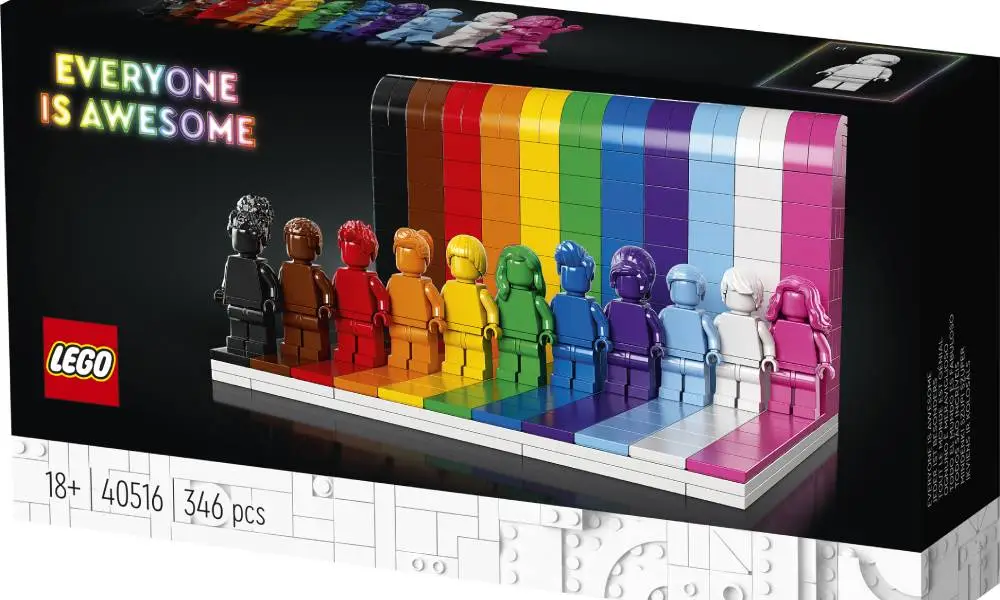
In 2020, Lego made headlines with the release of its first official LGBTQ+ set: the “Everyone is Awesome” kit. This vibrant collection features a rainbow of mini-figures, each representing different identities within the LGBTQ+ spectrum. The set was designed to celebrate pride and promote inclusivity, making it a significant milestone for the company.
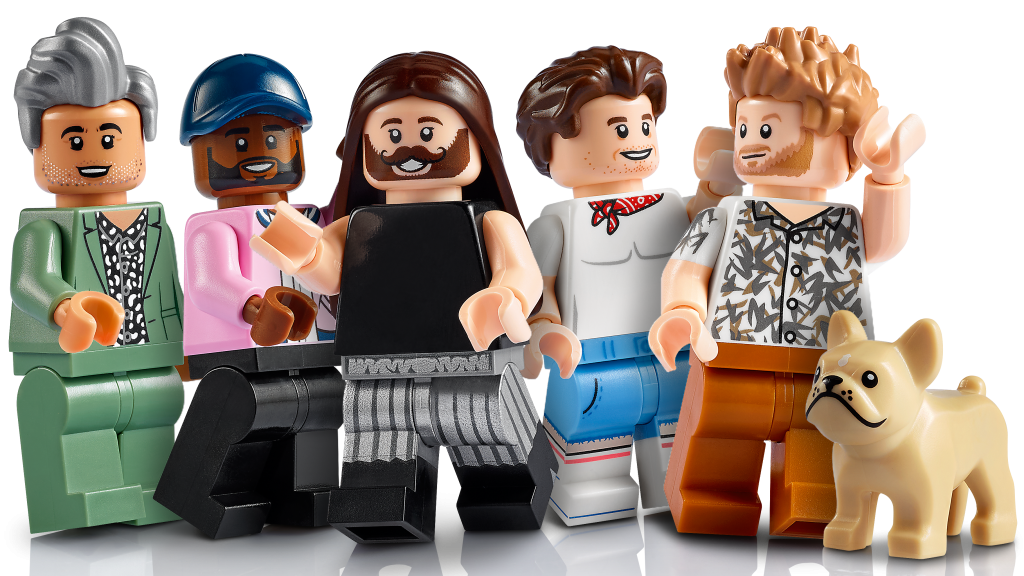
It’s not just a collection of colorful bricks; it’s a statement piece that encourages conversations about identity and acceptance among children and adults alike. The “Everyone is Awesome” set is just one example of how Lego is embracing diversity. Other sets have also incorporated LGBTQ+ themes, such as the “Queer Eye” set that allows fans to recreate scenes from the popular Netflix show.
There’s now even a lego demo set representing Stonewall.
These sets not only provide entertainment but also serve as educational tools, helping children understand different lifestyles and perspectives. By introducing these themes into their product line, Lego is sending a clear message: everyone deserves to be represented and celebrated.
The Impact of LGBTQ+ Representation in Lego Sets
No need to feel blue: play with Legos
The impact of LGBTQ+ representation in Lego sets extends far beyond the playroom. When children see characters that reflect their own identities or those of their friends and family, it fosters a sense of belonging and acceptance. This representation can help combat feelings of isolation or confusion that some children may experience regarding their own identities.
Moreover, it encourages empathy and understanding among peers, promoting a culture of acceptance from a young age. Research has shown that representation in media and toys can significantly influence children’s self-esteem and worldview. When children engage with diverse characters and stories, they learn to appreciate differences rather than fear them.
By incorporating LGBTQ+ themes into their products, Lego is not only enriching playtime but also contributing to a more inclusive society. The conversations sparked by these sets can lead to greater awareness and understanding, ultimately shaping a generation that values diversity.
Stonewall and Its Representation in Lego (and how you can vote)
The Stonewall riots of 1969 marked a pivotal moment in the fight for LGBTQ+ rights, serving as a catalyst for the modern LGBTQ+ rights movement. Recognizing this historical significance, Lego has taken steps to honor this legacy through its products. While there isn’t an official Stonewall-themed set yet, the company has expressed interest in creating sets that reflect important moments in LGBTQ+ history.
This acknowledgment is crucial; it not only educates children about significant events but also highlights the ongoing struggle for equality. Imagining a Stonewall-themed Lego set opens up a world of possibilities for storytelling and education.
Children could build scenes depicting the bravery of those who fought for their rights, learning about activism and courage in the process.
Such representations would serve as powerful reminders of how far society has come while also emphasizing the work that still needs to be done. By integrating historical events like Stonewall into their product line, Lego can play an essential role in educating future generations about the importance of standing up for equality.
Voting closed May 2025 but you can see the idea at https://ideas.lego.com/projects/ade8101b-3af3-45ba-be81-1c3bb7db66c3
Controversies Surrounding LGBTQ+ in Lego
Despite the positive strides made by Lego in terms of LGBTQ+ representation, not everyone has embraced these changes with open arms. Some critics argue that introducing LGBTQ+ themes into children’s toys is inappropriate or unnecessary. They claim that children should be shielded from discussions about gender identity and sexual orientation until they are older.
This perspective often stems from cultural or personal beliefs that view such topics as taboo. However, these controversies highlight an essential conversation about what children should learn and when. Many advocates argue that introducing diversity at a young age helps normalize differences and fosters acceptance.
By engaging with these themes early on, children can grow up with a more nuanced understanding of the world around them. The backlash against LGBTQ+ representation in toys often reflects broader societal tensions regarding acceptance and inclusion. As Lego continues to navigate these waters, it remains committed to its mission of promoting creativity and imagination for all children.
The Evolution of LGBTQ+ Representation in Lego
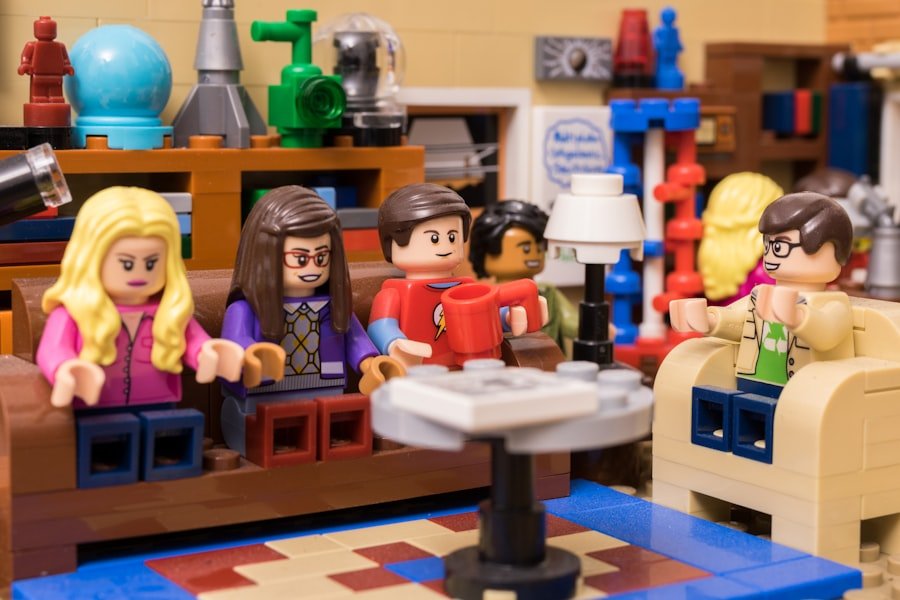
Lego’s journey toward inclusivity has been gradual but significant. In the past, toys were often designed with rigid gender norms in mind—pink for girls and blue for boys, with little room for deviation. However, as societal attitudes have shifted, so too has Lego’s approach to representation.
The introduction of gender-neutral sets and characters has paved the way for more inclusive offerings that reflect the diverse world we live in. This evolution is not just about adding rainbow colors to existing sets; it’s about rethinking how toys can represent various identities authentically. As more voices from the LGBTQ+ community are included in the design process, we can expect to see even more thoughtful representations in future sets.
The journey toward inclusivity is ongoing, but Lego’s commitment to evolving with societal changes is commendable. By embracing diversity, Lego is setting an example for other toy manufacturers to follow.
The Importance of Inclusive Toys for Children
Inclusive toys play a crucial role in shaping children’s understanding of themselves and others. When children engage with toys that reflect diverse identities, they learn valuable lessons about empathy, respect, and acceptance. These lessons are essential for fostering a more inclusive society where everyone feels valued and understood.
Toys are not merely objects; they are tools for learning and growth. Moreover, inclusive toys help combat stereotypes and challenge traditional gender roles. By providing children with diverse characters and narratives, we encourage them to explore their interests without being confined by societal expectations.
This freedom allows children to develop their identities authentically while also appreciating the richness of diversity around them. In this way, inclusive toys like those offered by Lego are not just fun; they are instrumental in shaping future generations who will carry these values into adulthood.
The Future of LGBTQ+ in Lego
As we look ahead, the future of LGBTQ+ representation in Lego appears promising. With growing awareness around the importance of inclusivity, it’s likely that we will see even more diverse themes integrated into future sets. The success of initiatives like “Everyone is Awesome” demonstrates that there is a demand for representation among consumers who want their toys to reflect the world’s diversity.
Lego has an opportunity to lead the charge in creating a more inclusive toy industry by continuing to embrace diversity in its products.
As society evolves, so too should our understanding of identity and representation within play.
By fostering an environment where all children feel seen and valued through their toys, Lego can help build a brighter future—one brick at a time.