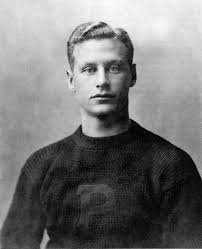
Florence Nightingale, often hailed as the founder of modern nursing, was a woman whose influence extended far beyond the confines of the hospital. Born in 1820 into a wealthy British family, she defied societal expectations by pursuing a career in nursing, a profession that was not only undervalued but also considered inappropriate for women of her social standing. Nightingale’s commitment to improving healthcare conditions during the Crimean War revolutionized nursing practices and laid the groundwork for professional nursing as we know it today.
However, her legacy is not solely defined by her contributions to healthcare; she also played a significant role in advocating for the rights of women and marginalized communities, including the LGBTQ+ population. Nightingale’s life was marked by her close relationships with women, which some historians suggest may have been romantic in nature. While the language of her time often obscured such relationships, her correspondence with women like her lifelong friend, Mary Clarke, reveals a deep emotional connection that transcended mere friendship.
Nightingale’s advocacy for women’s rights and her challenge to the patriarchal structures of her time resonate with the ongoing fight for LGBTQ+ rights. By breaking barriers in nursing and championing the cause of women, she paved the way for future generations to embrace their identities and advocate for their rights.
Alan Turing: The Father of Computer Science and LGBTQ+ Rights Activist
Breaking the Enigma Code and Paving the Way for Computer Science
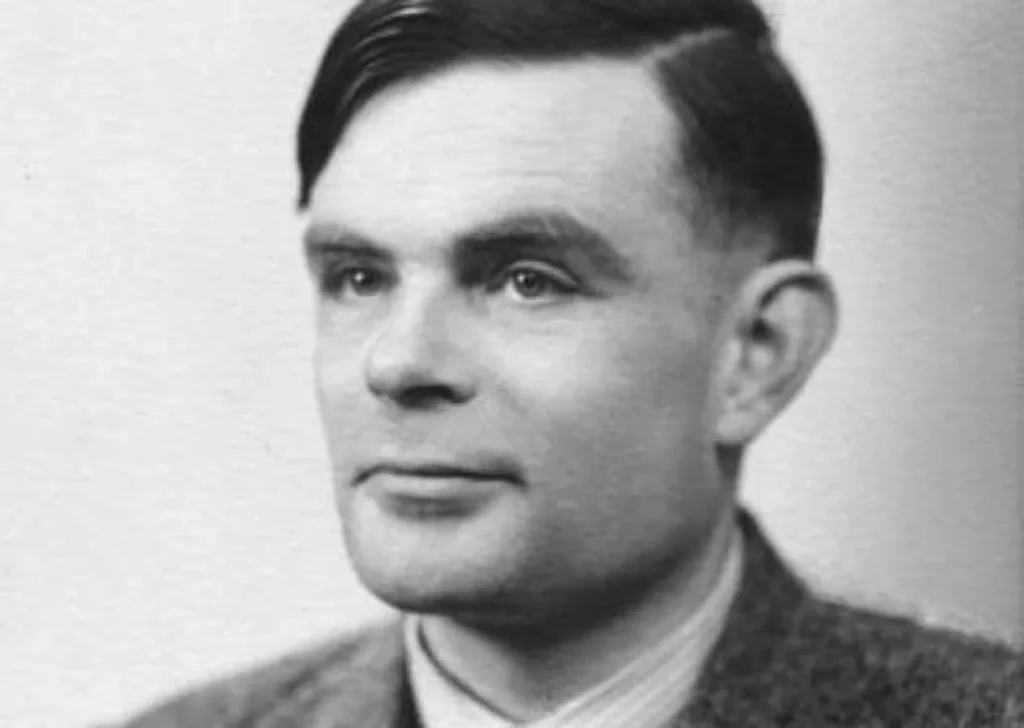
Alan Turing
Born in 1912, Alan Turing’s work during World War II at Bletchley Park was instrumental in breaking the Enigma code, a feat that significantly contributed to the Allied victory. His mathematical genius and groundbreaking advancements in computer science and artificial intelligence have made him a household name.
Facing Discrimination and Persecution
Despite his monumental contributions to society, Turing faced severe discrimination due to his sexual orientation. In 1952, he was prosecuted for homosexuality, which was then considered a criminal offense in the UK. The punishment he received—chemical castration—was a tragic reflection of society’s intolerance at the time.
A Legacy of Resilience and Inspiration
Turing’s story is one of brilliance overshadowed by prejudice. His tragic end in 1954, ruled as suicide, serves as a stark reminder of the consequences of societal discrimination. Yet, his legacy has sparked significant change. In 2013, Queen Elizabeth II posthumously pardoned Turing, acknowledging the injustice he faced. Today, Turing is celebrated not only as a pioneer in computing but also as a symbol of resilience against oppression. His life and work continue to inspire LGBTQ+ activists who fight for equality and recognition in a world that still grapples with issues of discrimination.
Hans Scholl: The Resistance Fighter and LGBTQ+ Icon
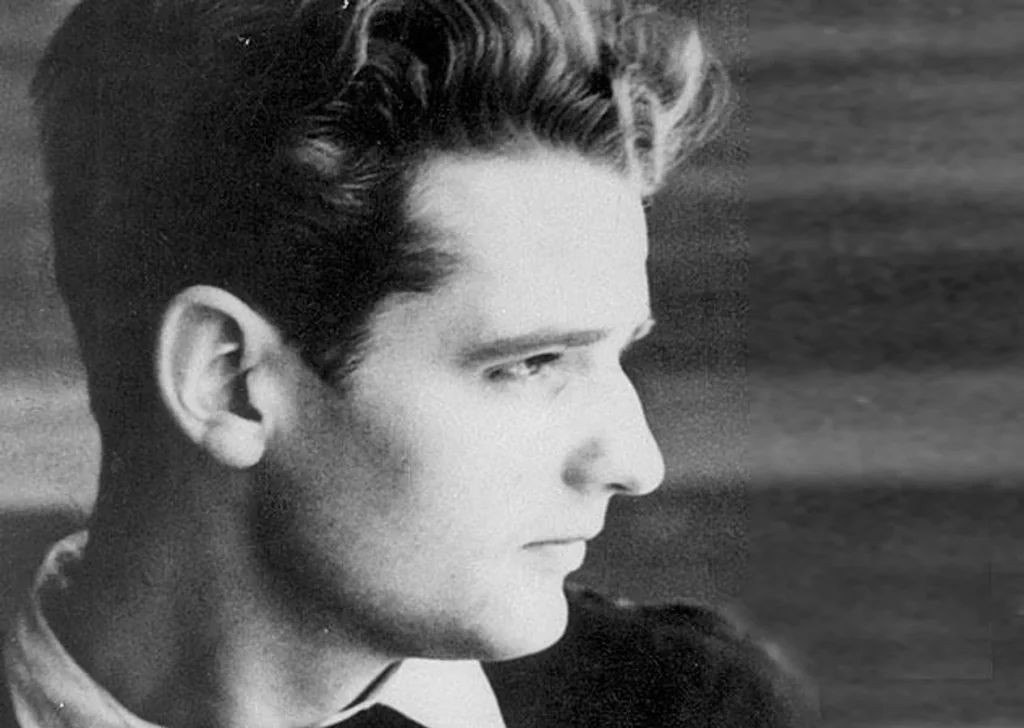
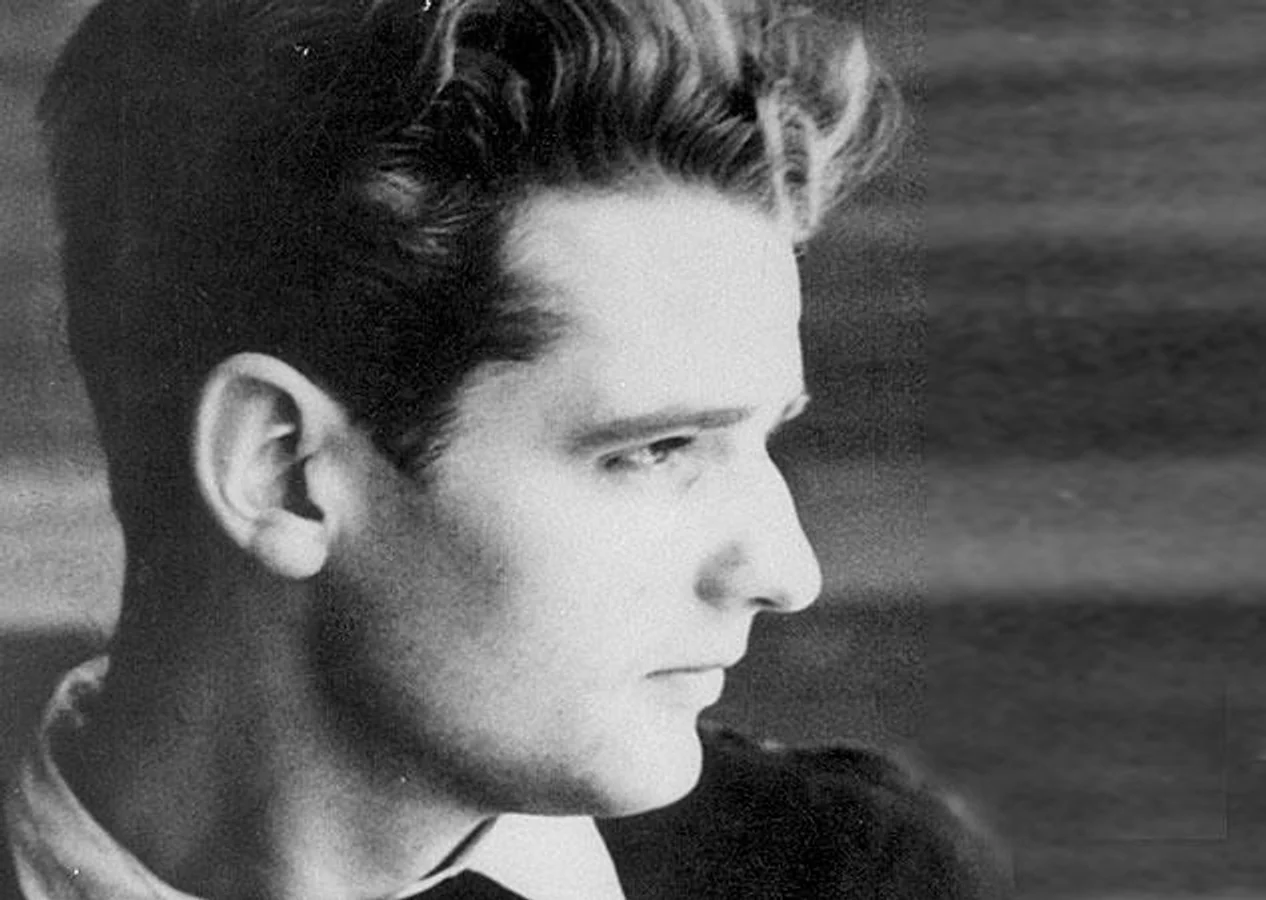
Convicted as a homosexual and executed for resistance at 24 in 1943, Scholl shouted, “Es lebe die Freiheit!” (“Long live freedom!”) before being guillotined
Hans Scholl emerged as a beacon of courage during one of history’s darkest periods—the Nazi regime in Germany. As a co-founder of the White Rose resistance group, Scholl and his sister Sophie distributed leaflets that called for nonviolent resistance against Hitler’s oppressive regime. Their bravery in standing up against tyranny is commendable, but what often goes unrecognized is Scholl’s potential connection to the LGBTQ+ community.
While there is limited documentation regarding his sexual orientation, some historians suggest that his close relationships with men may indicate a more complex identity than what was publicly acknowledged. Scholl’s commitment to justice and equality resonates deeply within the LGBTQ+ rights movement. He risked his life to challenge an oppressive regime that persecuted not only political dissidents but also homosexuals.
His legacy serves as a reminder that the fight for freedom and equality is intertwined with the struggles faced by marginalized communities. Scholl’s story encourages us to reflect on our own responsibilities in standing up against injustice, regardless of our identities. His courage continues to inspire activists today who seek to create a more inclusive society.
Sally Ride: The First American Woman in Space and LGBTQ+ Role Model
Sally Ride made history in 1983 when she became the first American woman to travel into space aboard the Space Shuttle Challenger.
Her journey was not only a monumental achievement for women in science and technology but also a significant moment for LGBTQ+ representation in fields traditionally dominated by men.
Ride’s accomplishments shattered glass ceilings and inspired countless young girls to pursue careers in STEM (science, technology, engineering, and mathematics).
However, it wasn’t until after her passing in 2012 that her sexual orientation became public knowledge; she had been in a long-term relationship with another woman. Ride’s legacy extends beyond her achievements as an astronaut; she became an advocate for diversity and inclusion within the scientific community. By living authentically and embracing her identity, she opened doors for future generations of LGBTQ+ individuals in STEM fields.
Her story serves as a powerful reminder that representation matters and that role models can come from all walks of life. Sally Ride’s impact continues to resonate today as we strive for greater inclusivity and acceptance within society.
Bayard Rustin: The Civil Rights Leader and LGBTQ+ Activist
Bayard Rustin was an extraordinary figure whose contributions to the civil rights movement are often overshadowed by more prominent leaders like Martin Luther King Jr. Yet Rustin was instrumental in organizing the 1963 March on Washington, where King delivered his iconic “I Have a Dream” speech. A brilliant strategist and advocate for nonviolent protest, Rustin faced discrimination not only because of his race but also due to his sexual orientation as an openly gay man during a time when such identities were stigmatized.
Rustin’s dual identity as both a black man and an LGBTQ+ individual positioned him uniquely within the civil rights movement. He understood firsthand the intersections of race and sexuality, advocating for inclusivity within the movement itself. His work laid the groundwork for future generations of activists who recognize that the fight for civil rights must encompass all marginalized identities.
Rustin’s legacy is a testament to the importance of intersectionality in activism—a principle that remains vital in today’s ongoing struggles for equality.
Their Impact on History and LGBTQ+ Rights

The lives of Florence Nightingale, Alan Turing, Hans Scholl, Sally Ride, and Bayard Rustin collectively illustrate how individuals can shape history while advocating for marginalized communities. Each of these figures faced adversity due to their identities or beliefs yet persevered to make significant contributions to society. Their stories remind us that progress often comes at a cost and that the fight for equality is ongoing.
The impact of these trailblazers on LGBTQ+ rights cannot be overstated. They challenged societal norms and fought against discrimination, paving the way for future generations to live authentically. Their legacies serve as powerful reminders that activism takes many forms—whether through healthcare reform, technological innovation, resistance against tyranny, or advocacy for civil rights.
As we reflect on their contributions, we must also recognize our responsibility to continue their work in creating a more inclusive world.
Overcoming Adversity and Discrimination
Each of these remarkable individuals faced significant challenges due to their identities or beliefs. Florence Nightingale battled societal expectations while pursuing her passion for nursing; Alan Turing endured persecution for his sexual orientation; Hans Scholl risked his life opposing an oppressive regime; Sally Ride navigated sexism in STEM; and Bayard Rustin confronted racism and homophobia within the civil rights movement. Their stories are testaments to resilience—the ability to rise above adversity and fight for what is right.
Overcoming discrimination requires courage and determination. These figures exemplified those qualities by standing firm in their convictions despite facing immense pressure from society. Their journeys remind us that progress often comes through struggle and sacrifice.
As we honor their legacies, we must also acknowledge the ongoing battles faced by marginalized communities today and commit ourselves to advocating for justice and equality.
Honoring Their Legacy and Contributions to Society
To honor the legacies of Florence Nightingale, Alan Turing, Hans Scholl, Sally Ride, and Bayard Rustin is to recognize their profound impact on history and society at large. Their contributions have shaped our understanding of healthcare, technology, civil rights, and representation within various fields. By celebrating their achievements, we not only pay tribute to their lives but also inspire future generations to continue fighting for justice.
In honoring their legacies, we must also commit ourselves to creating spaces where all individuals can thrive regardless of their identities. This means advocating for policies that promote inclusivity, supporting organizations that uplift marginalized voices, and educating ourselves about the histories of those who came before us. By doing so, we ensure that their stories are not forgotten but rather serve as guiding lights in our ongoing pursuit of equality and justice for all.