

Budapest Pride has become a vibrant symbol of resilience and defiance against a backdrop of increasing oppression under Viktor Orban and his Fidesz party, which holds a majority in Hungary’s parliament. Each year, the streets of Hungary’s capital transform into a kaleidoscope of colors, laughter, and solidarity as thousands gather to celebrate love and acceptance. This banned event is not merely a parade; it is a powerful statement against the forces that seek to marginalize the LGBTQ+ community.
This year, 100,000 – 200,000 participants came together, under threat of arrest, waving LGBTQ+ and EU flags and chanting slogans, embodying a spirit of unity that transcends the challenges they face. The atmosphere was electric, filled with joy and determination, as people from all walks of life join in the celebration. However, this celebration was tinged with a sense of urgency.
In a country where the government has increasingly targeted LGBTQ+ rights, Budapest Pride serves as a reminder that love cannot be silenced. The event stands as a beacon of hope for many who feel isolated or oppressed. It is a moment where individuals can express their identities freely, even in the face of adversity.
The courage displayed by participants sends a clear message: they will not be intimidated or silenced by those in power. This annual gathering is not just about pride; it is about survival, resistance, and the unwavering belief that everyone deserves to love and be loved without fear.
Orban’s Crackdown on LGBTQ+ Rights
Erasing Identities from Public Discourse
One of the most controversial pieces of legislation is the 2021 law that prohibits the portrayal of homosexuality in educational materials for minors.
This move has been widely criticized as an attempt to erase LGBTQ+ identities from public discourse and education, effectively pushing them back into the shadows.
Fostering an Environment of Discrimination
The implications of these laws extend far beyond legal restrictions; they foster an environment where discrimination and violence against LGBTQ+ individuals can thrive. Many activists have reported increased hostility and harassment since these measures were enacted.
Polarizing Society and Legitimizing Discrimination
The government’s rhetoric often frames LGBTQ+ rights as a threat to traditional family values, further polarizing society and legitimizing discrimination. This narrative not only affects public perception but also emboldens those who harbor anti-LGBTQ+ sentiments, creating a dangerous cycle of oppression that Budapest Pride seeks to combat.
EU Condemnation of Hungary’s Anti-LGBTQ+ Laws
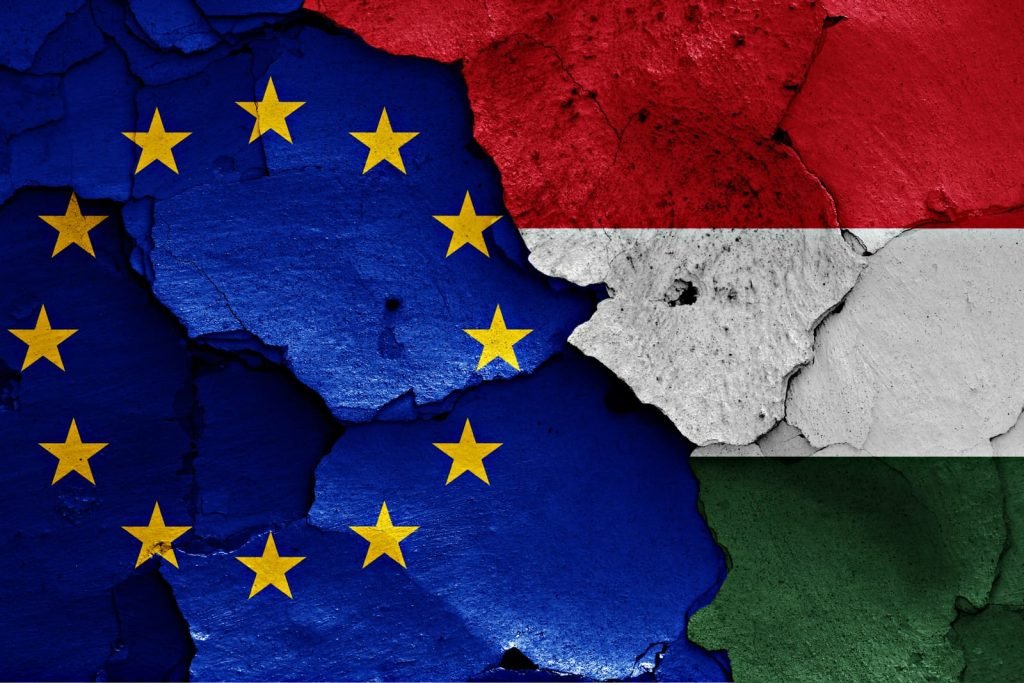
The EU-Hungary relationship is under severe strain
The European Union has not remained silent in the face of Hungary’s anti-LGBTQ+ laws. In fact, EU officials have expressed strong condemnation of Orbán’s policies, viewing them as a direct violation of fundamental human rights. EU Parliament’s Vice-President Nicolae Ștefănuță (Greens, Romania) marched in solidarity. The EU prides itself on being a champion of equality and non-discrimination, and Hungary’s actions have raised serious concerns about its commitment to these values.
In response, the European Parliament has passed resolutions urging Hungary to reverse its discriminatory laws and uphold the rights of all citizens, regardless of their sexual orientation or gender identity. This condemnation is not merely symbolic; it carries significant political weight. The EU has threatened to withhold funding from Hungary if it continues down this path of oppression. Orban has accused the EU of meddling in Hungarian affairs.
Such measures highlight the tension between national sovereignty and adherence to European values. While Orbán’s government may attempt to frame these criticisms as foreign interference, the reality is that they reflect a broader commitment to human rights that transcends borders. The EU’s stance serves as a reminder that the fight for LGBTQ+ rights is not confined to individual nations; it is part of a larger global struggle for equality and justice.
Budapest Pride: A Symbol of Resistance
Budapest Pride has evolved into more than just an annual celebration; it has become a powerful symbol of resistance against oppression. Each year, as participants march through the streets, they carry with them the stories of those who have faced discrimination and violence simply for being who they are. The event serves as a platform for voices that have been silenced, allowing individuals to share their experiences and advocate for change.
It is a moment where personal narratives intersect with collective action, creating a tapestry of resilience that resonates far beyond Hungary’s borders. The significance of Budapest Pride extends beyond its immediate impact on participants; it inspires solidarity among LGBTQ+ communities across Europe and beyond. Activists from neighboring countries often join in the festivities, recognizing that their struggles are interconnected.
This sense of solidarity reinforces the idea that the fight for equality is not confined to one nation but is part of a larger global movement. As participants raise their voices in unison, they send a message that resonates with those who feel marginalized: you are not alone in this fight.
Massive Turnout for “Illegal” Pride in Budapest
Despite the oppressive climate surrounding LGBTQ+ rights in Hungary, Budapest Pride continues to draw massive crowds each year, even when faced with threats of being deemed “illegal.” The determination of participants to gather and celebrate their identities speaks volumes about their resilience and commitment to visibility. In 2023 and 2024, thousands took to the streets, defying government attempts to stifle their voices. The sheer size of 2025’s turnout was a testament to the strength of the community and its allies, showcasing that love cannot be extinguished by fear.
The atmosphere during these events is nothing short of exhilarating. As people from diverse backgrounds come together, they create an inclusive space where everyone feels welcome.
Families, friends, and allies join forces to support LGBTQ+ rights, demonstrating that this struggle transcends sexual orientation or gender identity.
The vibrant displays of pride—colorful costumes, banners, and music—transform Budapest into a celebration of diversity and acceptance. Each participant carries with them not only their own story but also the collective hope for a future where love is celebrated rather than condemned.
Orban’s Backlash Against LGBTQ+ Community
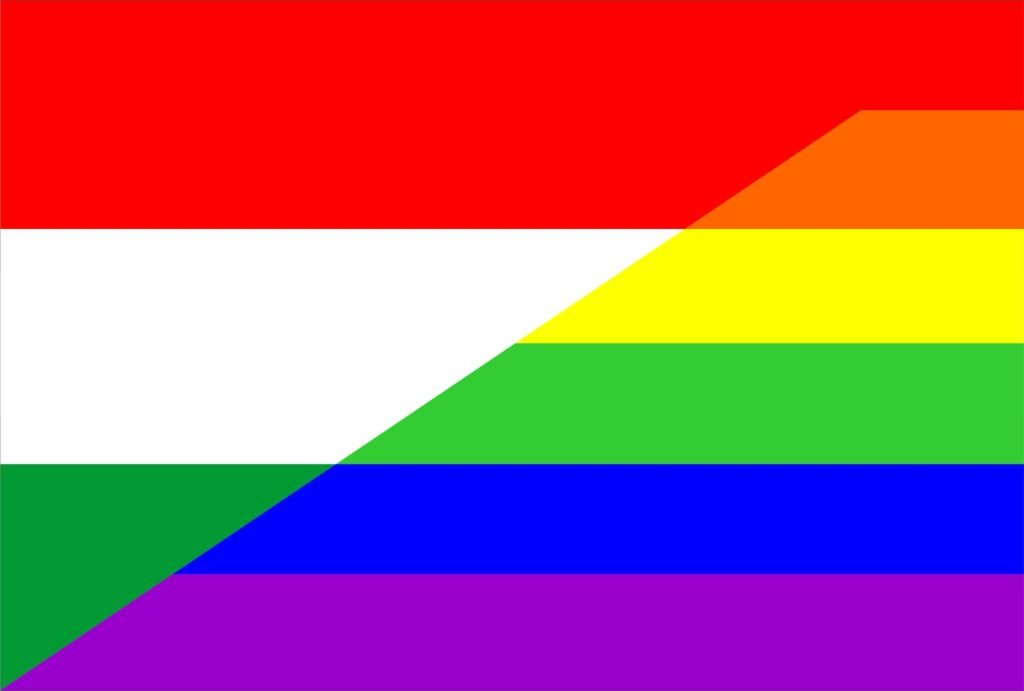
In response to the growing visibility and activism surrounding Budapest Pride, Prime Minister Orbán has intensified his rhetoric against the LGBTQ+ community. His government has employed various tactics to undermine pride events and delegitimize the movement as a whole. This includes spreading misinformation about LGBTQ+ individuals and framing them as threats to societal norms.
Such tactics are designed to rally support among conservative factions within Hungary while simultaneously instilling fear in those who identify as LGBTQ+. The backlash from Orbán’s administration has manifested in more than just words; it has led to increased surveillance and policing during pride and opposition events. Activists have reported feeling unsafe due to heightened police presence and aggressive tactics aimed at dispersing crowds or intimidating participants.
This environment creates an atmosphere where individuals may hesitate to express their identities openly, fearing repercussions from both authorities and society at large. Yet, despite this backlash, many remain undeterred, recognizing that their visibility is crucial in challenging oppressive narratives.
Budapest Pride: A Show of Solidarity and Defiance
Budapest Pride stands as a powerful show of solidarity and defiance against systemic oppression. Each year, participants come together not only to celebrate their identities but also to stand in solidarity with those who have been marginalized or silenced. The event serves as a reminder that love knows no boundaries and that everyone deserves the right to express themselves freely.
As people march through the streets, they carry banners emblazoned with messages of hope and resistance, creating an atmosphere charged with purpose. The sense of community fostered during Budapest Pride is palpable. Allies join hands with LGBTQ+ individuals, creating an inclusive space where everyone feels valued and respected.
This collective spirit reinforces the idea that change is possible when people unite for a common cause. The event becomes more than just a celebration; it transforms into a powerful movement advocating for equality and justice. As participants chant slogans demanding recognition and respect, they send a clear message: they will not back down in the face of adversity.
Hungary’s LGBTQ+ Community Stands Strong Against Government Oppression
Despite facing significant challenges under Orbán’s regime, Hungary’s LGBTQ+ community remains resolute in its fight for rights and recognition. Activists continue to organize events, raise awareness, and advocate for change despite government pushback. Their determination reflects an unwavering belief in the importance of visibility and representation in society.
Each act of defiance—whether through participation in pride events or grassroots organizing—serves as a testament to their resilience. The strength displayed by Hungary’s LGBTQ+ community is inspiring not only within its borders but also across Europe and beyond. Their struggle resonates with those facing similar challenges worldwide, reminding us all that the fight for equality is ongoing, even in the EU.