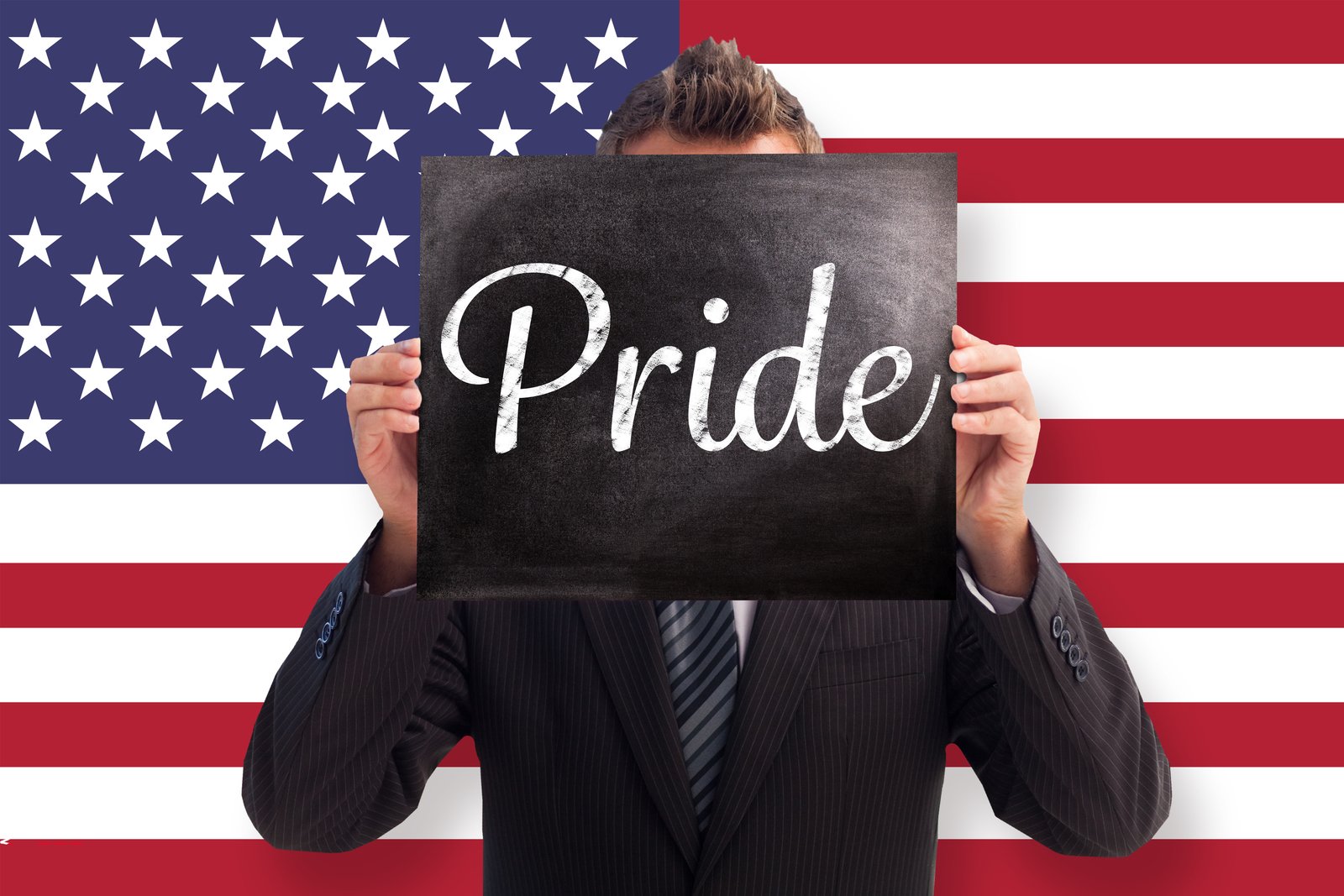
Pride has become a powerful symbol of resilience and defiance, especially in the face of movements like MAGA (Make America Great Again), which often promote exclusionary and regressive ideologies. For many, Pride is not merely a celebration; it’s a declaration of existence and a refusal to be silenced. In a world where LGBTQ+ identities are still marginalized, Pride serves as a reminder that love and acceptance can triumph over hate.
Since Stonewall in 1969 and the AIDS crisis, it’s a vibrant assertion that every individual deserves to live authentically, regardless of societal pressures or political rhetoric.
The importance of Pride extends beyond the LGBTQ+ community; it resonates with anyone who has ever felt marginalized or oppressed.
When people gather to celebrate their identities, they create a collective force that challenges the status quo.
Let’s not kid ourselves. This unity is particularly crucial when faced with political movements that seek to undermine the rights and dignity of others. There is open war on trans people in places like the United States, and death sentences are still on the books in several countries. Pride events become a space where individuals can reclaim their narratives, share their stories, and foster a sense of belonging. In this way, Pride is not just about parades and parties; it’s about building a community that stands firm against intolerance.
How Pride Fights Against Hatred and Discrimination
Challenging Stereotypes and Misconceptions
The visibility created during Pride events challenges stereotypes and misconceptions, allowing for more nuanced conversations about LGBTQ+ experiences. Moreover, Pride serves as an educational tool, helping to dismantle the ignorance that often fuels discrimination. Through workshops, discussions, and performances, attendees can learn about the rich history of the LGBTQ+ movement and the ongoing struggles faced by its members.
Combating Prejudice through Education and Empathy
This knowledge is crucial in combating prejudice, as it humanizes the experiences of those who have been marginalized. By fostering understanding and empathy, Pride helps to create allies who are willing to stand up against injustice and advocate for equality.
Fostering a Culture of Acceptance and Inclusion
Ultimately, Pride events play a vital role in fostering a culture of acceptance and inclusion, where everyone, and we mean everyone, can feel valued and respected.
By promoting unity and solidarity, Pride helps to create a society that is more just and equitable for all.
The Ongoing Struggle for LGBTQ+ Rights
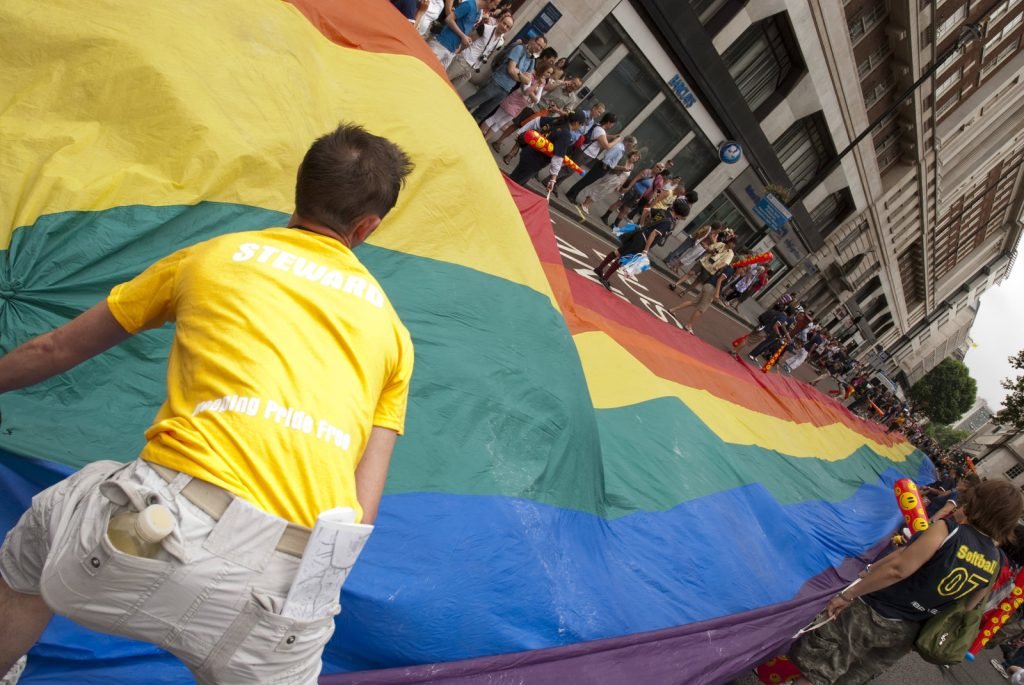
It still matters
Despite significant progress in recent years, the struggle for LGBTQ+ rights is far from over. Many countries still lack basic protections for LGBTQ+ individuals, or worse, and even in places where rights have been secured, backlash is often swift and severe. The fight for marriage equality, anti-discrimination laws, and healthcare access continues to be a battleground where advocates must remain vigilant.
Each victory is hard-won, but it also serves as a reminder of how much work remains to be done. The ongoing struggle for LGBTQ+ rights is not just about legal recognition; it’s about societal acceptance. Many individuals still face discrimination in their daily lives, whether at work, in schools, or within their families.
The emotional toll of this discrimination can be devastating, leading to mental health issues and a sense of isolation. Advocacy efforts must focus not only on policy changes but also on fostering environments where LGBTQ+ individuals feel safe and valued. This dual approach is essential for creating lasting change that goes beyond mere legalities.
The Need for Visibility and Representation in the LGBTQ+ Community
Visibility and representation are critical components of the LGBTQ+ movement. When individuals see themselves reflected in media, politics, and everyday life, it affirms their existence and validates their experiences. Representation matters because it challenges stereotypes and broadens the understanding of what it means to be LGBTQ+.
It allows for diverse narratives to emerge, showcasing the richness of the community rather than reducing it to a single story. However, visibility must be approached thoughtfully. It’s not enough to have one or two token figures in mainstream media; true representation encompasses a variety of identities within the LGBTQ+ spectrum.
This includes people of different races, ethnicities, abilities, and gender identities. When all voices are included, it creates a more accurate portrayal of the community and fosters solidarity among its members. The push for greater representation is not merely about visibility; it’s about ensuring that everyone’s story is heard and valued.
Harnessing Anger for Change: The Role of Pride
Anger can be a powerful catalyst for change, especially when channeled effectively. Pride events often serve as an outlet for this anger—a way for individuals to express their frustrations with systemic injustices while also celebrating their identities. This duality is essential; it acknowledges the pain and struggles faced by the community while also highlighting the joy that comes from self-acceptance and solidarity.
Harnessing this anger can lead to meaningful action, whether through protests, advocacy campaigns, or grassroots organizing. Moreover, Pride provides a space for healing. While anger can fuel activism, it can also be exhausting if not balanced with moments of joy and celebration.
Events that focus on community-building allow individuals to connect with one another on a deeper level, fostering relationships that can sustain them through difficult times. This sense of community is vital for maintaining momentum in the fight for equality; when individuals feel supported and connected, they are more likely to engage in activism and advocate for change.
Addressing the Continued Presence of Homophobia
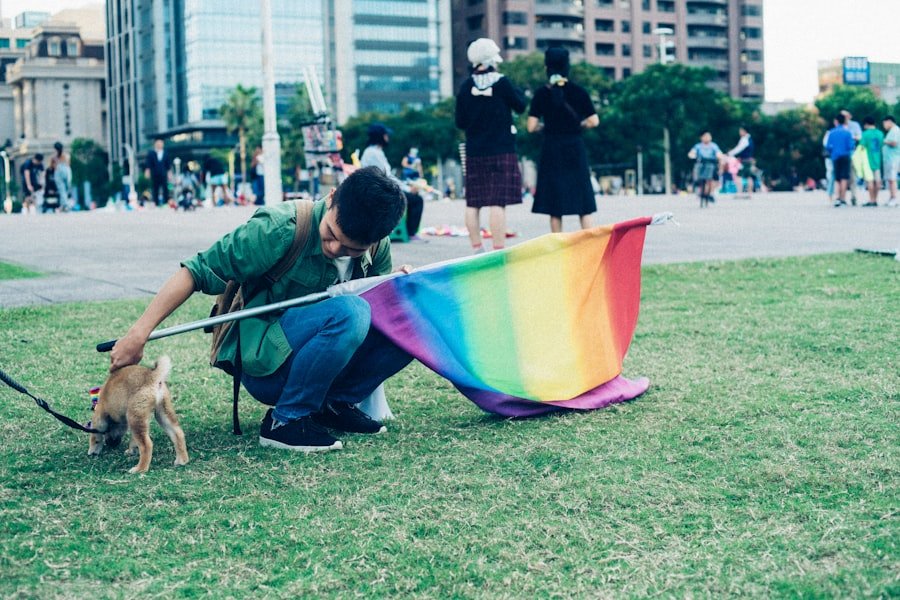
It’s more than “just a flag”
Despite progress in many areas, homophobia remains a pervasive issue that cannot be ignored. It manifests in various forms—ranging from overt discrimination to subtle microaggressions—and affects individuals across all walks of life. Addressing this continued presence requires a multifaceted approach that includes education, advocacy, and open dialogue.
It’s essential to confront homophobia head-on rather than allowing it to fester in silence. Education plays a crucial role in combating homophobia. By providing resources and training on LGBTQ+ issues in schools, workplaces, and communities, we can foster understanding and empathy among individuals who may hold prejudiced views.
Open dialogue is equally important; creating safe spaces for conversations about sexuality and identity can help break down barriers and challenge misconceptions. When people are willing to engage with one another—especially those with differing viewpoints—progress becomes possible.
The Intersection of Pride and the Fight Against Transphobia
The fight against transphobia is an integral part of the broader LGBTQ+ movement, yet it often receives less attention than other issues. Transgender individuals face unique challenges that require specific advocacy efforts, from healthcare access to legal recognition of their gender identity. Pride events must prioritize inclusivity by amplifying trans voices and addressing the specific issues faced by this community.
This intersectionality is vital for creating a truly inclusive movement that recognizes the diverse experiences within the LGBTQ+ spectrum. Moreover, addressing transphobia requires dismantling harmful stereotypes that persist in society. Education plays a key role here as well; by promoting understanding of transgender issues and experiences, we can challenge misconceptions that contribute to discrimination.
Allies have an essential role in this fight—by standing up against transphobia and advocating for trans rights, they help create a more inclusive environment for everyone. Ultimately, the intersection of Pride and the fight against transphobia highlights the importance of solidarity within the LGBTQ+ community; when we uplift one another, we strengthen our collective voice in the pursuit of equality. In conclusion, Pride is more than just a celebration; it’s a powerful movement rooted in resilience, defiance, and love.
As we navigate the complexities of ongoing struggles for LGBTQ+ rights, visibility, representation, and solidarity become paramount. By harnessing our anger for change while addressing issues like homophobia and transphobia head-on, we can create a future where everyone is free to live authentically without fear or discrimination. The journey may be long, but together we can forge a path toward equality that honors every individual’s right to love and be loved.