Want the hoodie? https://gayriot.shop/products/military-hoodie?variant=43661714554931 Want the mug? https://gayriot.shop/products/military-mug?variant=43661710786611
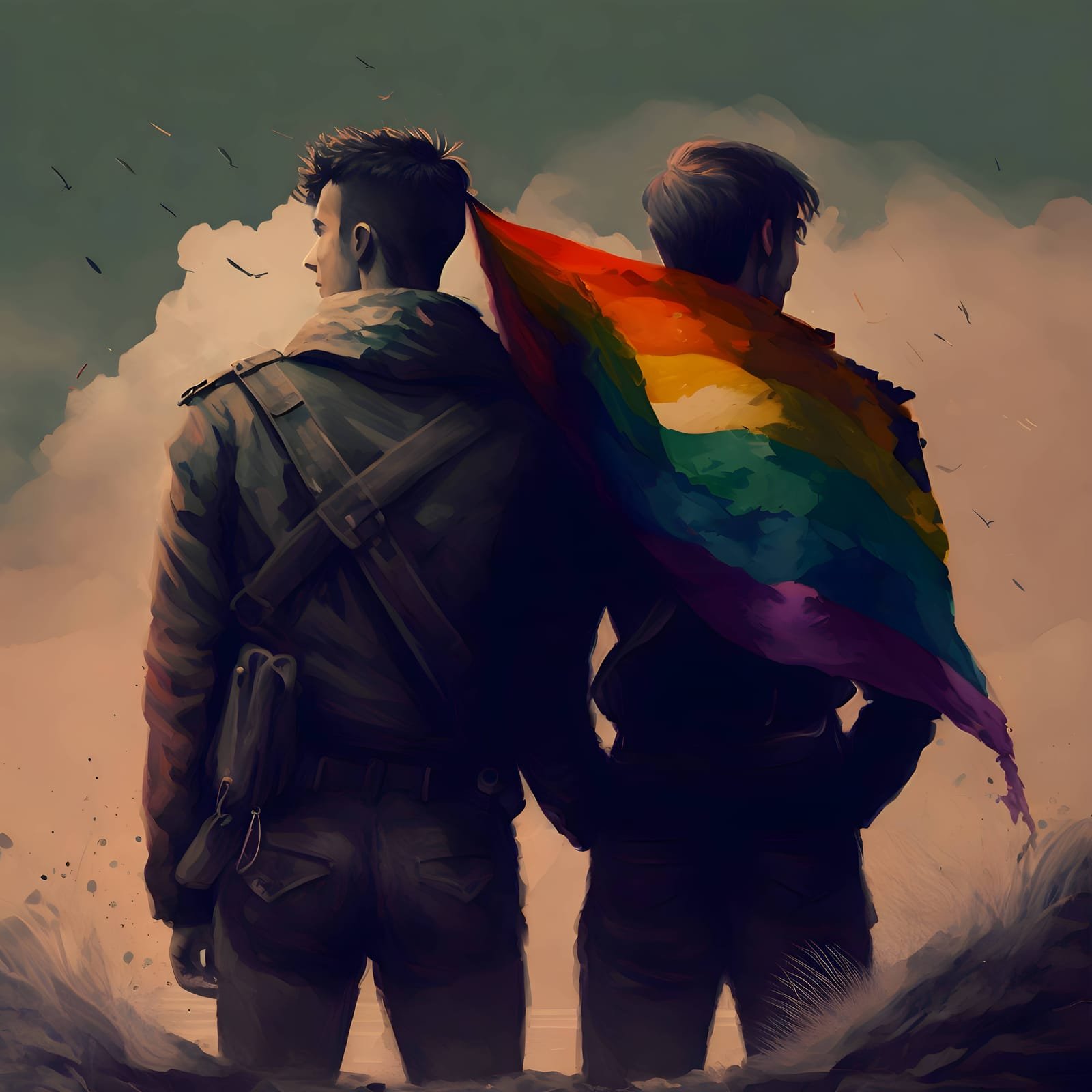
Throughout history, countless soldiers have donned their uniforms to serve their countries, often at great personal risk. Among these individuals are LGBTQ+ soldiers who have fought valiantly, sometimes in silence, due to societal stigma and discrimination. These men and women have faced unique challenges, yet their commitment to duty and honor has remained unwavering.
From ancient times to the present day, LGBTQ+ individuals have served in various capacities, often sacrificing their safety and well-being for the greater good. Consider the case of Leonard Matlovich, a Vietnam War veteran who became a symbol of the fight for LGBTQ+ rights in the military. In 1975, Matlovich publicly came out as gay, risking his career and safety.
His actions sparked conversations about sexual orientation in the armed forces and highlighted the struggles faced by LGBTQ+ service members. Matlovich’s bravery paved the way for future generations, demonstrating that courage comes in many forms, not only on the battlefield but also in standing up for one’s identity.
The Impact of LGBTQ+ Soldiers on Military History
LGBTQ+ soldiers have played pivotal roles in shaping military history, often influencing key events and outcomes.
Their contributions extend beyond mere numbers; they have brought unique perspectives and skills that have enriched military operations.
For instance, during World War II, many LGBTQ+ individuals served with distinction, contributing to the Allied victory while navigating a culture that often vilified them.
Their resilience and determination helped forge a path for future service members. The impact of LGBTQ+ soldiers is evident in various military campaigns. In World War II, the contributions of LGBTQ+ individuals were significant in intelligence and code-breaking efforts.
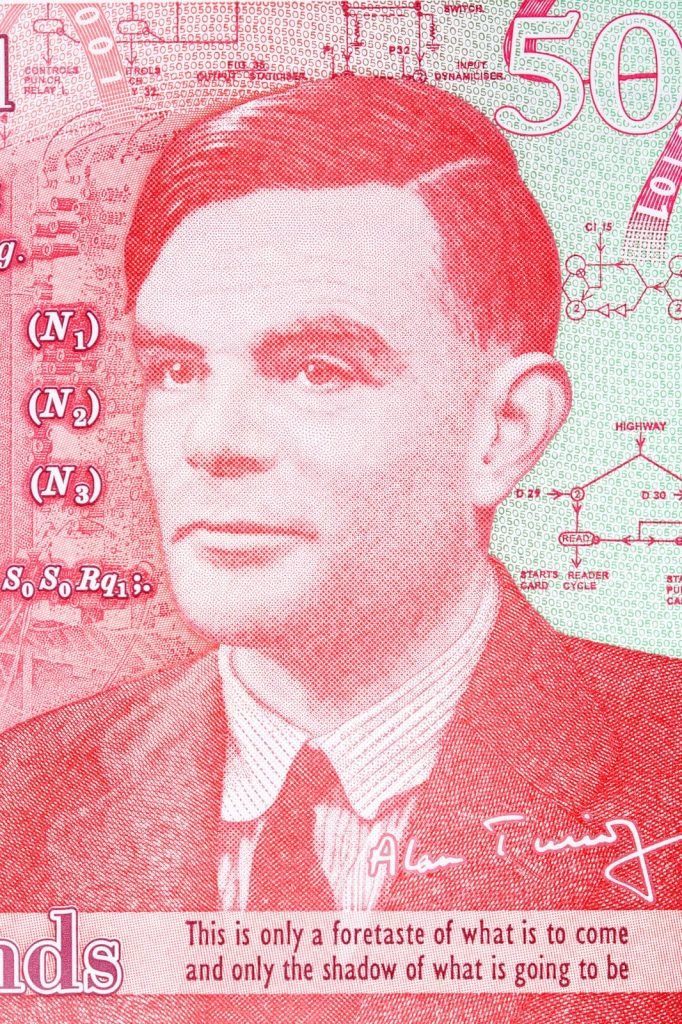
The work of figures like Alan Turing, a gay mathematician who played a crucial role in deciphering German codes, exemplifies how LGBTQ+ individuals have been instrumental in military success. Turing’s legacy reminds us that diversity in the ranks can lead to innovative solutions and strategic advantages.
The Erasure of LGBTQ+ Soldiers from Historical Narratives
Despite their significant contributions, LGBTQ+ soldiers have often been erased from historical narratives. This erasure is not merely an oversight; it reflects a broader societal tendency to marginalize those who do not conform to traditional norms. Textbooks and military histories frequently omit the stories of LGBTQ+ service members, leaving a gap in our understanding of military history.
This lack of representation perpetuates stereotypes and reinforces harmful biases. The consequences of this erasure are profound. When LGBTQ+ soldiers are excluded from historical accounts, it diminishes their sacrifices and contributions.
It also sends a message that their identities are not worthy of recognition. This omission can lead to a cycle of invisibility, where future generations may not even be aware of the rich history of LGBTQ+ service members. Acknowledging their stories is essential for creating a more inclusive narrative that honors all who have served.
How LGBTQ+ Soldiers’ Contributions Have Been Overlooked
The contributions of LGBTQ+ soldiers have often been overlooked due to prevailing prejudices and discriminatory policies within the military. For decades, policies like “Don’t Ask, Don’t Tell” forced service members to hide their identities, leading to a culture of silence and fear. This environment stifled open acknowledgment of LGBTQ+ contributions and created barriers to recognition.
Moreover, many LGBTQ+ veterans have faced challenges in receiving benefits and support due to their sexual orientation. The stigma surrounding their identities has often resulted in a lack of visibility within veteran communities. This oversight not only affects individual veterans but also deprives society of the opportunity to learn from their experiences and honor their sacrifices.
The Struggle for Recognition and Acceptance in the Military
The struggle for recognition and acceptance within the military has been long and arduous for LGBTQ+ service members. For years, they faced discrimination, harassment, and even discharge based on their sexual orientation. The repeal of “Don’t Ask, Don’t Tell” in 2011 marked a significant turning point, allowing LGBTQ+ individuals to serve openly.
However, challenges remain as some service members still encounter prejudice from peers or superiors. The fight for acceptance is ongoing. Many LGBTQ+ veterans continue to advocate for equal treatment and recognition within military institutions.
Organizations like the American Military Partner Association work tirelessly to support LGBTQ+ service members and their families, pushing for policies that promote inclusivity and respect. Their efforts highlight the importance of creating an environment where all service members can thrive without fear of discrimination.
The Importance of Remembering LGBTQ+ Soldiers’ Contributions
Hidden but not forgotten
Remembering the contributions of LGBTQ+ soldiers is crucial for several reasons. First, it honors their sacrifices and acknowledges the unique challenges they faced while serving their country. By recognizing their stories, we validate their experiences and affirm their place in military history.
This acknowledgment can also inspire future generations to embrace diversity within the armed forces. Additionally, remembering LGBTQ+ soldiers fosters a sense of community and belonging among current service members. When individuals see themselves represented in military narratives, it can enhance morale and encourage open dialogue about identity within the ranks.
This inclusivity ultimately strengthens the military as a whole by promoting unity and understanding among diverse groups.
Honoring the Legacy of LGBTQ+ Soldiers in Military History
Honoring the legacy of LGBTQ+ soldiers requires active efforts to include their stories in military history. Educational institutions should incorporate these narratives into curricula, ensuring that students learn about the diverse experiences of those who served. Museums and memorials can also play a vital role by showcasing the contributions of LGBTQ+ service members through exhibits and events.
Moreover, recognizing significant figures like Marsha P. Johnson or Harvey Milk—who both served in the military—can help highlight the intersection of military service and LGBTQ+ activism. By celebrating these individuals’ legacies, we can create a more comprehensive understanding of how LGBTQ+ soldiers have shaped history.
The Ongoing Fight for Equality and Recognition for LGBTQ+ Soldiers
The fight for equality and recognition for LGBTQ+ soldiers continues today. While progress has been made, challenges persist within military structures and society at large. Advocacy groups are working tirelessly to address issues such as discrimination, harassment, and mental health support for LGBTQ+ veterans.
As society evolves, it is essential to remain vigilant in promoting equality within the military.
This includes pushing for policies that protect against discrimination based on sexual orientation or gender identity. By fostering an environment where all service members feel valued and respected, we honor the legacy of those who fought before us while paving the way for future generations.
In conclusion, recognizing the contributions of LGBTQ+ soldiers is not only an act of justice but also a necessary step toward building a more inclusive society. Their bravery deserves acknowledgment, respect, and celebration as we continue to strive for equality within armed forces and beyond.