Tracing desire, muscle and masculine display from ancient Greece to modern gay social space
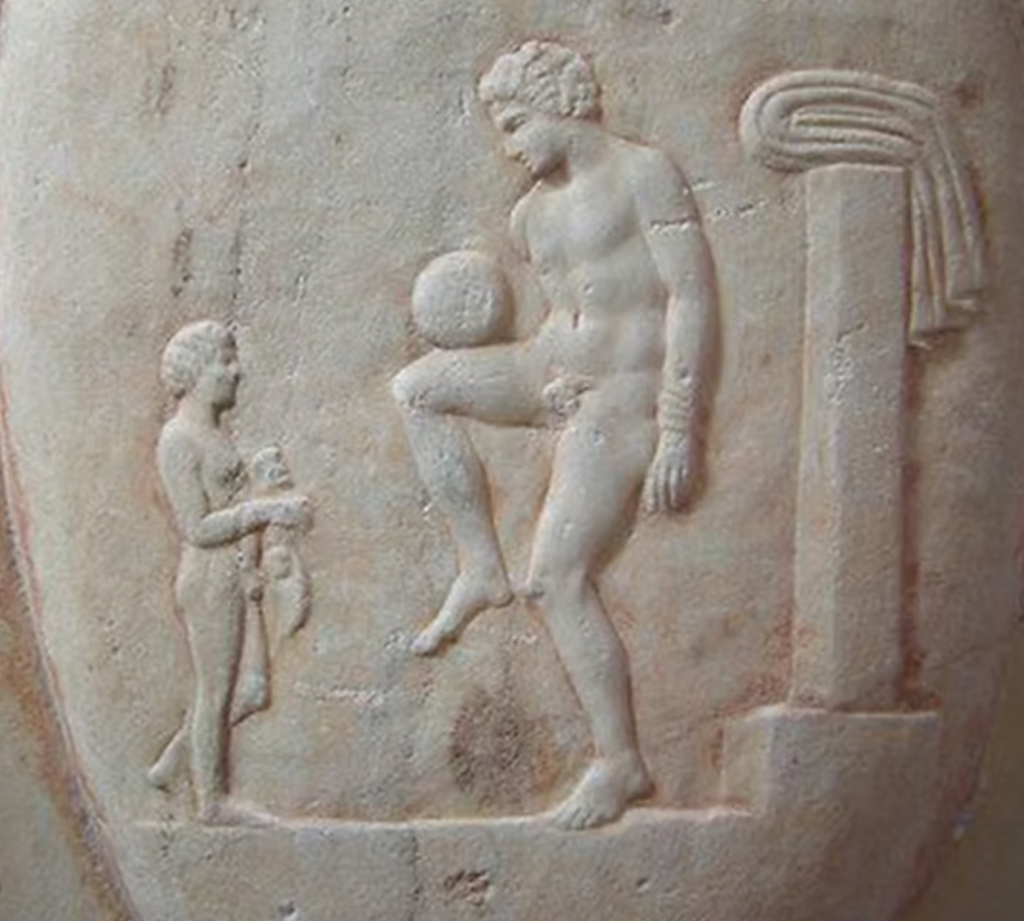
Ancient Greek ball player, 400-375 BC, found in Piraeus, National Achaeological Museum, Greece
In classical Greece the word gymnasium comes from γυμνός (gymnos) meaning “naked”. Men trained naked in the palaestra and gymnasion, often coated in oil, exposed to other men’s gaze. The training ground was not merely for strength but for beauty, companionship and mentorship. As scholarship notes, the gym served both athletic and homoerotic functions in Greek civic life.
From Naked Training Grounds to Ritual of the Body
The naked male body was celebrated. Statues such as the Doryphoros or vase-paintings of athletes underline how physical form and aesthetic admiration were intertwined. The gym thus became the place where masculine beauty was constructed and circulated.
Victorian Muscle, Pulp Magazines and the Mirror of Desire
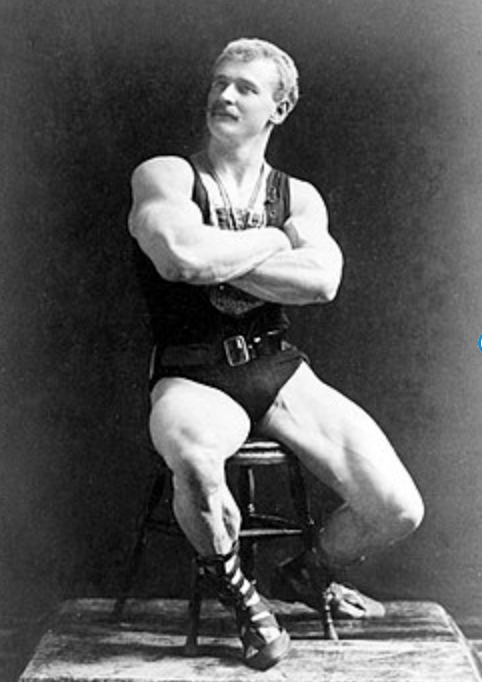
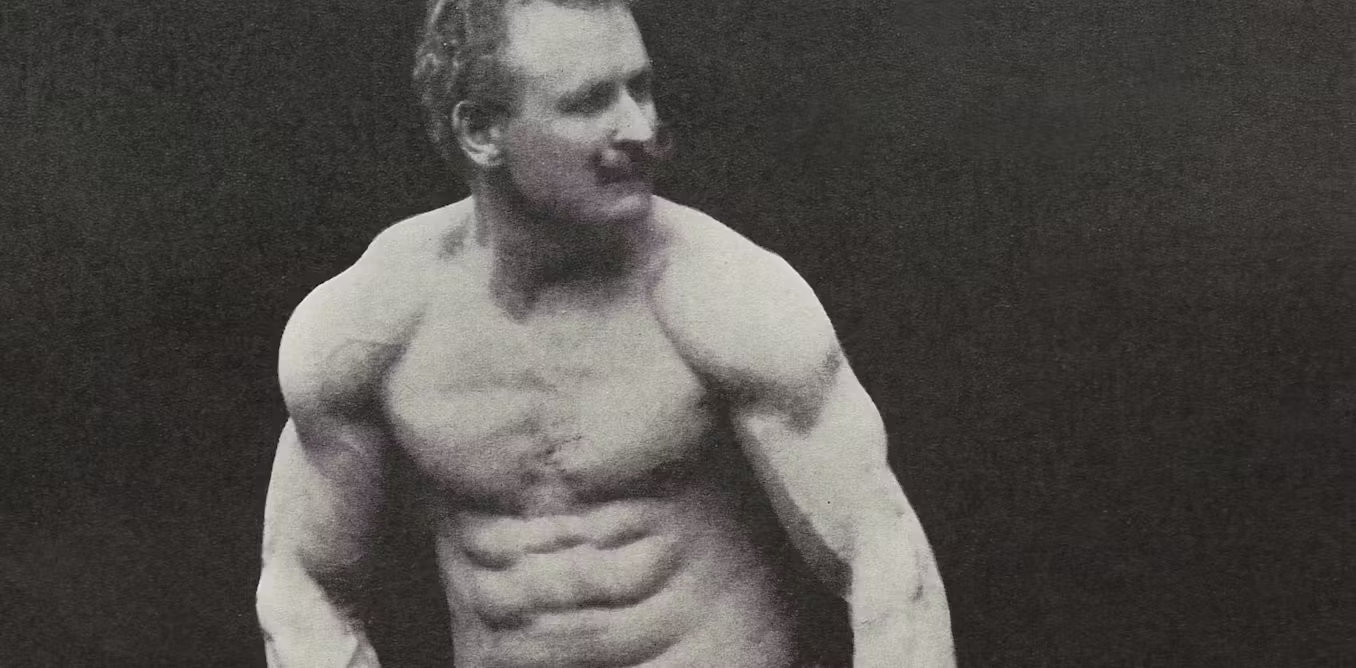
By the 19th and early 20th centuries the gym becomes a stage for moral reform and muscle culture. Figures like Eugen Sandow posed nearly nude for stage shows and postcards. This movement promised discipline, health and nation-building — but it also tacitly offered visual access to the male form. The gym became a respectable arena for looking.

In the 1950s the physique magazine emerged: publications like Physique Pictorial and Tomorrow’s Man ostensibly about fitness but really about male aesthetics, coded eroticism and gay audience. These magazines circulated in a climate of censorship yet created networks of desire. The gym-body photograph became a signal, a mirror of longing.
The Gym Meets Queer Leisure: YMCAs, Disco and the Village People
In mid-20th century Western cities the gym, and especially the recreational center, became a social site for gay men. Young Men’s Christian Association (YMCA) gyms and residences provided physical space where men gathered, trained, showered and socialised. The 1978 disco anthem Y.M.C.A. by Village People encapsulates this crossover: its lyrics and beat speak of staying at the Y, hanging out with “all the boys”, and have been widely interpreted as referencing gay cruising culture within the gym/hostel setting. (Encyclopedia Britannica)

Although the song’s co-writer insists it wasn’t written explicitly as a gay anthem, the YMCA’s role as a queer space has been documented in oral histories of gay men staying, training and meeting other men there. (villagepeople-official.com)
The Golden Era: Muscle Beach, Mirror Gym, and Queer Visibility
In the 1970s and ’80s the gym culture and gay culture intersected powerfully. Places like Gold’s Gym Venice became visible as hubs for bodybuilding and gay male display. The mirror-lined weight room, drop sets and sweaty community all framed the trained male body as an object of desire as much as discipline. The erotic content was overt but phrased in gym-terms: sets, reps, pump.

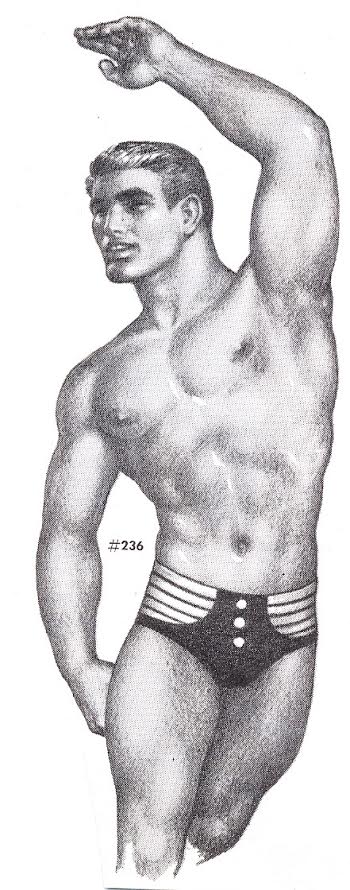
Artists like Tom of Finland transformed the gym-body into queer myth: leather, latex, musculature. In the space of the gym men looked at other men, trained with other men, and in many cases met or hooked up with other men. The gym became a social network as much as a fitness space.
Crisis, Reinvention and the Body as Resistance
During the AIDS crisis the gym-body took on political resonance. The muscular gay male counters the narrative of sickness or victimhood by wielding aesthetic strength as a form of survival. The weight room becomes a sanctuary, a visible declaration of life. Photographers such as Robert Mapplethorpe used the masculine nude to challenge stigma, and gay men adopted the gym as space to reclaim visibility.
Modern Day: Social Media, Performance, Inclusion
In the 21st century the gym remains a liminal space between health, image and desire. Instagram fitness influencers post shirtless pump selfies. Apps like Grindr often intersect with gym check-ins or nearby workouts. The mirrors, the camera angles, the shared gaze — all echo the gym’s homoerotic lineage. Meanwhile, queer fitness communities widen the scope: nonbinary trainers, inclusive studios, body-diverse movements. The gym is still about the body. It is still about desire. It is still about friendship and sometimes more.
Why the Gym Matters to Gay Culture
- Visibility: The gym taught gay men to look and be seen, in a world that often denied either.
- Community: When public venues were hostile, the gym provided male-only space for fellowship, flirtation and friendship.
- Desire & Display: The gym’s equipment, mirrors and sweat turned the male form into object and subject of visual longing. That is homoerotic history.
- Resistance: The trained body challenged stereotypes of gay men as effeminate or weak. It reclaimed power.
- Continuity: From Greek gymnasia to modern queer studios, the male body remains a site where discipline and desire intertwine.
Cultural References You Should Know
- The song “Y.M.C.A.” by Village People (1978) remains a dance-floor staple and gay anthem, whether acknowledged or not. (villagepeople-official.com)
- The Young Men’s Christian Association (YMCA) itself, founded 1844, shifted from straight youth development to mixed usage including gay men’s recreation and cruising spaces. (World YMCA)
- The Victorian strongman movement, the physique magazines of the mid-20th century, and the bodybuilding boom of the 1970s all contributed to the aesthetic culture of male display.
- Gay club culture intersected with gym culture: disco, body worship, sweat-driven space-sharing. The Village People’s archetypes (cowboy, construction worker, policeman) reflected working-class masculinity filtered through gay fantasy.
Final Word
If you walk into a modern gym, watch how men position themselves, how mirrors amplify the body, how glances pass and linger. The echo lines reach back to Olympia, to Victorian postcards, to Soho in the ’70s. The gym is more than fitness. It is a social machine of looking, being looked at and being desired. For gay men, that machine has been both refuge and declaration: strong, sex, visible, present.