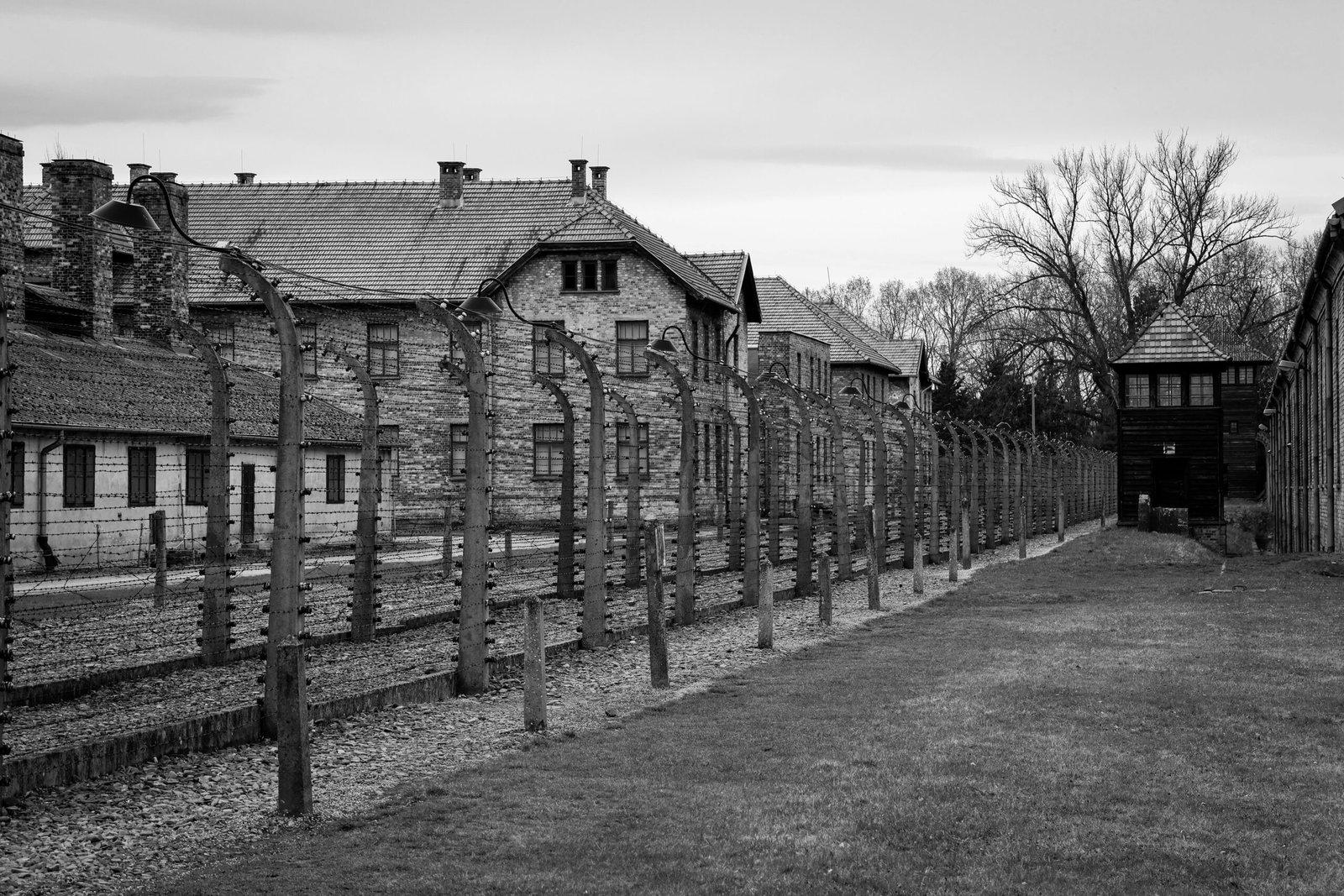
Summary of Nazi Persecution of LGBTQ+ People
Nazi policy targeted people whose sexual orientation or gender expression fell outside the regime’s racial and moral ideology. The main legal tool was Paragraph 175 of the German criminal code, which criminalized male homosexual acts. The Nazis expanded it in 1935, lowering the threshold for arrest and sharply increasing prosecutions.
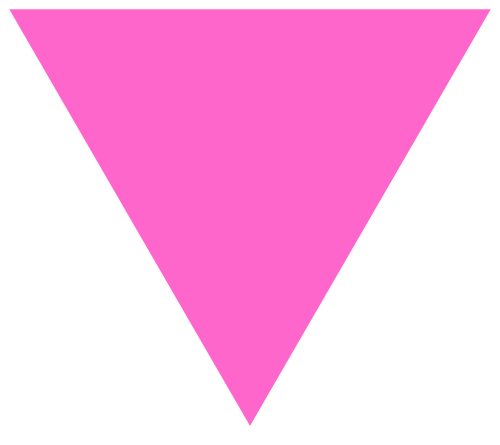
Persecution extended beyond gay men. Lesbian women, bisexual people, transgender people, and gender-nonconforming people were targeted under overlapping categories such as “asocial,” “degenerate,” or “habitual criminal.” These labels, signified by the pink triangle of the identification system, allowed arrest, imprisonment, forced labor, or confinement in concentration camps even when no specific criminal statute applied.
Sources:
United States Holocaust Memorial Museum (USHMM)
https://encyclopedia.ushmm.org/content/en/article/paragraph-175-and-the-nazi-campaign-against-homosexuality
Wiener Holocaust Library
https://wienerholocaustlibrary.org/2021/02/09/persecution-of-gay-people-in-nazi-germany/
Numbers of Arrests, Deportations, and Deaths (Best Estimates)
Exact figures do not exist. Nazi records were incomplete, deliberately destroyed, or used inconsistent categories. The estimates below reflect current historical consensus.
| Category | Estimate or Range | Source |
|---|---|---|
| Men arrested for homosexuality, 1933–1945 | About 100,000 | https://en.wikipedia.org/wiki/Persecution_of_homosexuals_in_Nazi_Germany |
| Men convicted under Paragraph 175 | About 50,000 | https://hmd.org.uk/learn-about-the-holocaust-and-genocides/nazi-persecution/gay-people/ |
| Men deported to concentration camps | 5,000 to 15,000 | https://encyclopedia.ushmm.org/content/en/article/paragraph-175-and-the-nazi-campaign-against-homosexuality |
| Estimated deaths among gay men in camps | Up to 60 percent, roughly 3,000 to 9,000 | https://hmd.org.uk/learn-about-the-holocaust-and-genocides/nazi-persecution/gay-people/ |
| Lesbian and bisexual women | No reliable total | https://www.pinktrianglelegacies.org/learn/history |
| Transgender and gender-nonconforming people | No reliable total | https://encyclopedia.ushmm.org/ |
Important context:
- Most arrests were of men accused of homosexuality.
- Many served long prison sentences rather than being sent to camps.
- Women and trans people were rarely recorded as such in Nazi files, which hides the scale of persecution.
Transgender and Gender-Nonconforming People Under Nazism
Germany before 1933 was a global center of early transgender research and advocacy. The Institute for Sexual Science, founded by Dr. Magnus Hirschfeld in Berlin, provided medical care, research, and legal support for transgender people, including access to early gender-affirming surgeries and identity documents.
In May 1933, Nazi students and stormtroopers raided and destroyed the Institute, burning its library and patient records. This act erased crucial documentation of trans lives and made many patients vulnerable to arrest.
Key facts supported by historians:
- Trans people were targeted under laws against “cross-dressing,” “public indecency,” or labeled “asocial.”
- Some were imprisoned, institutionalized, or sent to concentration camps.
- Trans women were sometimes classified as gay men and forced to wear the pink triangle.
- Others were forced to detransition, undergo sterilization, or submit to medical abuse.
Sources:
USHMM, Sexual and Gender Minorities in Nazi Germany
https://encyclopedia.ushmm.org/content/en/article/gay-men-and-lesbians-under-the-nazi-regime
German Historical Institute
https://germanhistorydocs.ghi-dc.org/sub_document.cfm?document_id=1566
Pink Triangle Legacies
https://www.pinktrianglelegacies.org/learn/queermen
Because Nazi authorities did not recognize transgender identity, most victims were erased from official counts. Historians agree that persecution occurred, but precise numbers cannot be reconstructed.
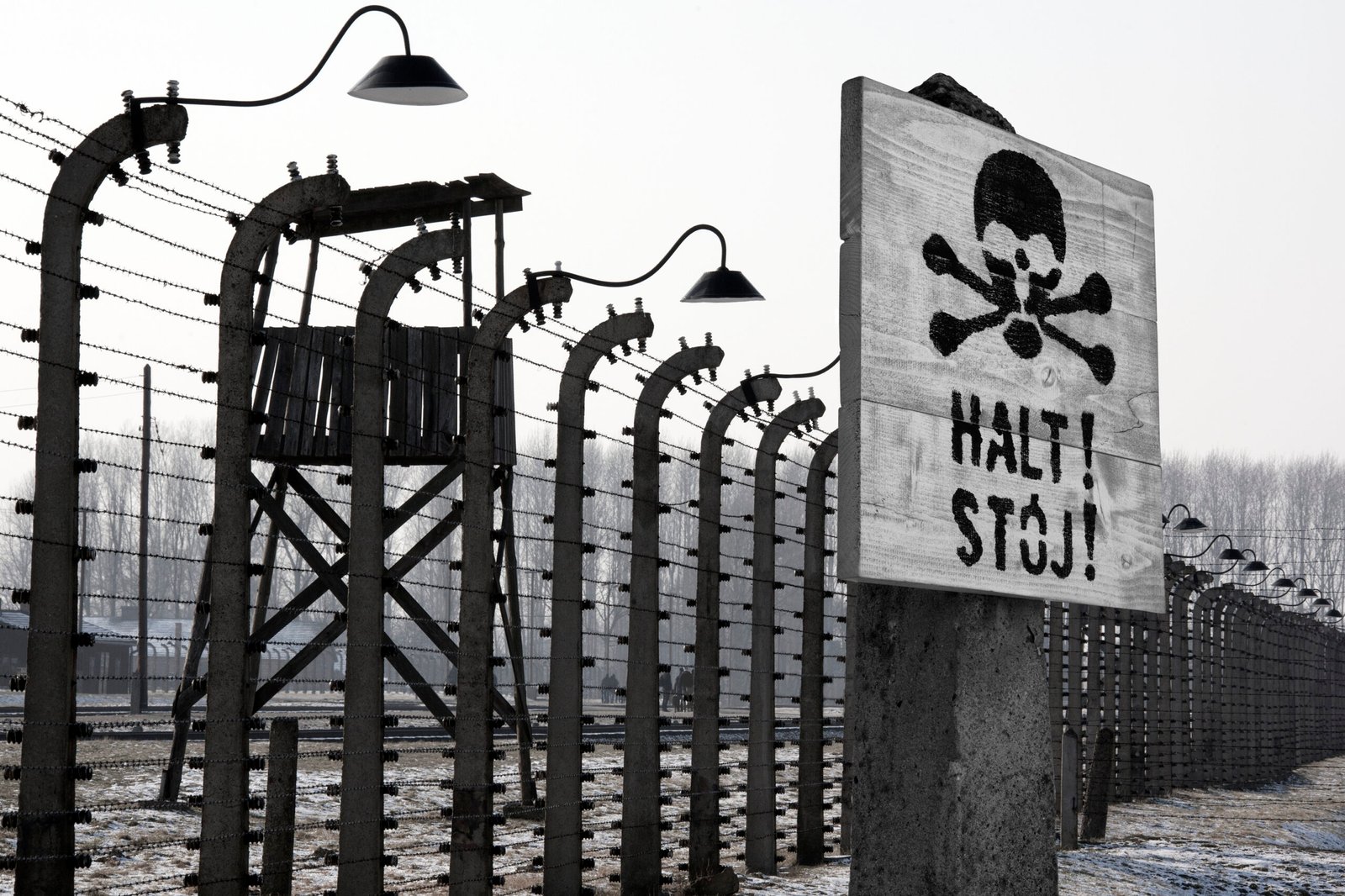
Concentration Camps Where LGBTQ+ People Were Imprisoned
People accused of homosexuality or labeled “asocial” were imprisoned across the camp system. Men convicted under Paragraph 175 were often marked with a pink triangle, which exposed them to extreme abuse from guards and other prisoners.
| Concentration Camp | Documented Information |
|---|---|
| Sachsenhausen | Hundreds of gay men imprisoned. At least 600 died. Around 200 were murdered at the Klinkerwerk subcamp. https://www.dw.com/en/lgbtq-people-germanys-long-forgotten-victims-of-the-nazis/a-64533968 |
| Buchenwald | Significant number of pink triangle prisoners. Survivor Rudolf Brazda later testified publicly. https://en.wikipedia.org/wiki/Rudolf_Brazda |
| Auschwitz | Gay men and gender-nonconforming prisoners held in smaller numbers. Classification varied. https://auschwitz.net/en/the-persecution-of-homosexuality-in-the-holocaust/ |
| Dachau | Gay prisoners subjected to medical experiments and forced labor. https://encyclopedia.ushmm.org/ |
What Happened After Liberation
For many LGBTQ+ survivors, liberation did not mean freedom.
After 1945:
- Paragraph 175 remained in force in West Germany, using the Nazi-expanded version of the law.
- Survivors imprisoned for homosexuality were not recognized as Holocaust victims.
- Some were returned directly from concentration camps to civilian prisons to finish their sentences.
- They were denied compensation, pensions, or official acknowledgment for decades.
Trans people faced similar outcomes:
- No recognition as Nazi victims.
- Continued policing of gender expression.
- Forced institutionalization in some cases.
- Loss of identity papers and legal status obtained before 1933.
Paragraph 175 was partially reformed in 1969, further reduced in 1973, and fully abolished in 1994. In 2002, Germany formally pardoned men convicted under the law. In 2017, compensation legislation followed.
Sources:
https://encyclopedia.ushmm.org/content/en/article/paragraph-175-and-the-nazi-campaign-against-homosexuality
https://www.snopes.com/fact-check/gay-prisoners-germany-wwii/
https://en.wikipedia.org/wiki/Paragraph_175
Why This History Matters
LGBTQ+ victims were among the last groups to be acknowledged as targets of Nazi persecution. Many died without recognition. Others lived under continued criminalization long after the war ended. The destruction of early trans archives means that much of this history must be reconstructed from fragments.
This silence was not accidental. It was the result of law, stigma, and deliberate erasure.
Core Sources and Further Reading
United States Holocaust Memorial Museum
https://encyclopedia.ushmm.org/
Wiener Holocaust Library
https://wienerholocaustlibrary.org/
Holocaust Memorial Day Trust
https://hmd.org.uk/learn-about-the-holocaust-and-genocides/nazi-persecution/gay-people/
Pink Triangle Legacies
https://www.pinktrianglelegacies.org/
German Historical Institute
https://www.ghi-dc.org/