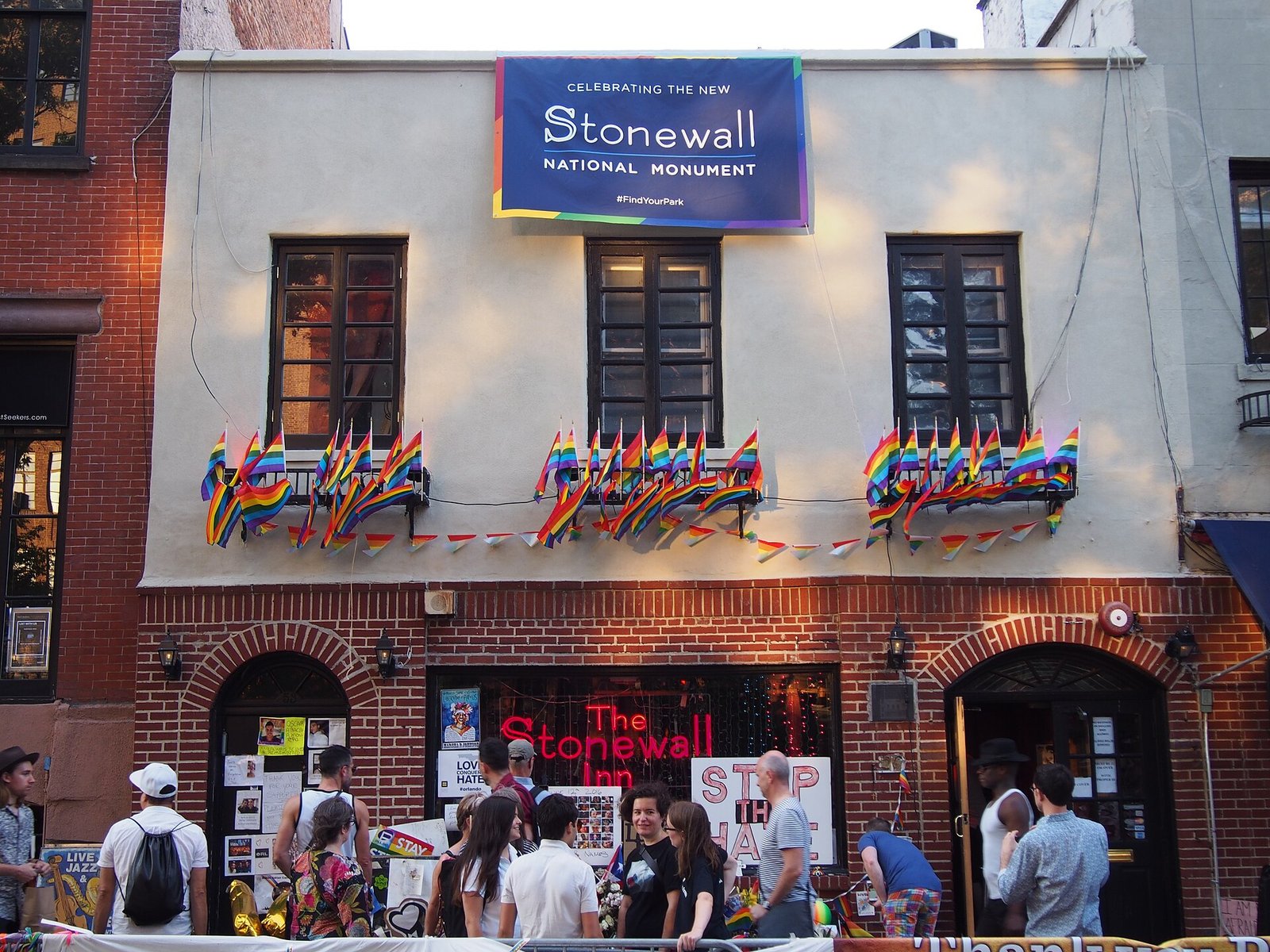
The Trump administration’s recent removal of the Pride flag from the Stonewall National Monument in New York City has renewed debate over federal policy toward LGBTQ+ history and rights. On January 21, 2026, the National Park Service, acting under guidance from the Department of the Interior and the White House, took down the rainbow flag that had flown at the monument. Officials say the move was to enforce a policy that limits flags on federal lands to the U.S. flag and a small set of officially authorized banners. Critics see it as a symbolic—and political—act that erases LGBTQ+ visibility at a site deeply tied to queer history.
The Stonewall National Monument marks the Greenwich Village site where, in June of 1969, patrons and community members resisted a police raid at the Stonewall Inn. That uprising galvanized the modern LGBTQ+ movement in the United States and inspired annual Pride marches around the world. The Pride flag, designed by Gilbert Baker in 1978, has become an emblem of queer identity, resistance, and solidarity; flying it at Stonewall was meant to honor both history and ongoing struggles for equality.
Local leaders and LGBTQ+ advocates described the removal as a deliberate attempt to erase or minimize queer history. Manhattan Borough President Brad Hoylman-Sigal called the action “a deliberate act of erasure,” and said city officials planned to raise the flag again in the public park adjacent to the monument. New York City Council Speaker Julie Menin said the removal sent “a deeply troubling message” that could sanitize or rewrite history.
This event comes amid other moves critics view as rolling back federal recognition of LGBTQ+ people. In 2025 the National Park Service altered the Stonewall National Monument website, removing the words “transgender” and “queer” from official descriptions, retaining only “LGB” in its acronym. That decision sparked backlash because transgender individuals, especially transgender women of color such as Marsha P. Johnson and Sylvia Rivera, played key roles in the original uprising that the site commemorates.
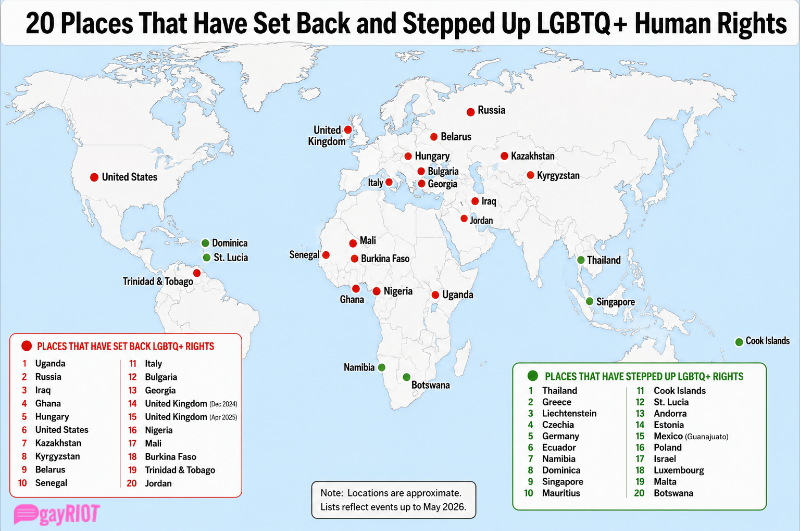
Beyond symbolic actions at Stonewall, the Trump administration has pursued policy changes affecting LGBTQ+ rights more broadly. Executive orders have sought to limit federal recognition of transgender identity in areas ranging from military service to education protections. For instance, Executive Order 14183 restricted transgender individuals from serving in the U.S. military, a policy that has faced legal challenges but was reinstated by the Supreme Court in 2025.
Supporters of the administration’s approach argue that federal land policies should be consistent and apolitical, and that symbolic flags should not override longstanding regulations on flag displays. Opponents counter that such policies erase the lived experience and history of LGBTQ+ Americans, and weaken federal commitment to inclusion. Protests and public debates continue in New York and nationwide, with many activists vowing to restore the Pride flag to the monument and to contest other policies seen as hostile to LGBTQ+ visibility.
Links for further reading:
• AP News: Trump administration takes down a rainbow flag at the Stonewall National Monument.
• People.com: Trump Admin Removes Pride Flag from Stonewall Monument, Critics Call It Erasure.
• PBS: Trump administration takes down rainbow flag at Stonewall National Monument, historic LGBTQ+ site.