Soviet Socialist Realism emerged as the official artistic doctrine of the Soviet Union in the 1930s, aiming to promote the ideals of communism through accessible and relatable art. This movement sought to depict the lives of ordinary workers, glorifying their struggles and triumphs in a way that aligned with the state’s political agenda. However, beneath the surface of this seemingly straightforward narrative lay a complex interplay of themes, including homoeroticism.
While the regime promoted a strict heterosexual norm, artists and writers often found subtle ways to explore same-sex desire, creating a rich tapestry of expression that both conformed to and challenged the prevailing ideologies. The portrayal of homoeroticism within this framework was not merely an act of rebellion; it was also a reflection of the human experience. Artists and writers navigated the treacherous waters of censorship and state control, using coded language and symbolism to convey their messages.
This duality—of adhering to state mandates while simultaneously expressing personal truths—created a unique space for homoerotic themes to emerge. The tension between the official narrative and the lived reality of individuals allowed for a nuanced exploration of identity, desire, and the human condition, making Soviet Socialist Realism a fascinating subject for both art historians and LGBTQ+ scholars.
The use of homoeroticism in Soviet Socialist Realist literature and poetry
Layers of Meaning
Writers like Anna Akhmatova and Boris Pasternak infused their works with multiple layers of meaning that hinted at same-sex desire without overtly challenging the authorities. For example, Akhmatova’s poetry often featured intense emotional connections between characters that could be interpreted as homoerotic, even if they were framed within heterosexual contexts.
A Safe Haven for Exploration
This ambiguity provided a safe haven for exploring themes of love and longing that transcended traditional gender norms. Moreover, the use of homoeroticism in literature served as a means of resistance against the oppressive political climate. By weaving same-sex desire into their narratives, authors created spaces for readers to reflect on their own identities and experiences.
Defiance through Writing
The act of writing became an act of defiance, allowing for a subtle critique of societal norms while still adhering to the expectations of Socialist Realism. This intricate dance between conformity and rebellion not only enriched the literary landscape but also laid the groundwork for future generations of LGBTQ+ writers who would continue to challenge societal boundaries.
Depictions of homoeroticism in Soviet Socialist Realist visual art
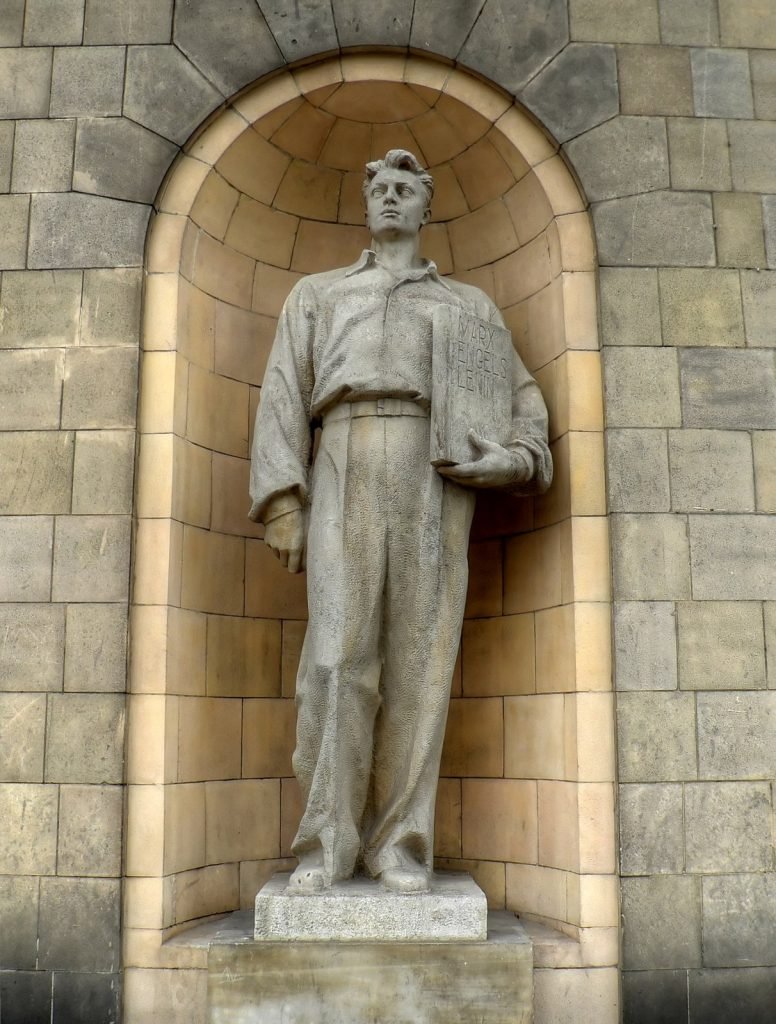
Male beauty set in stone
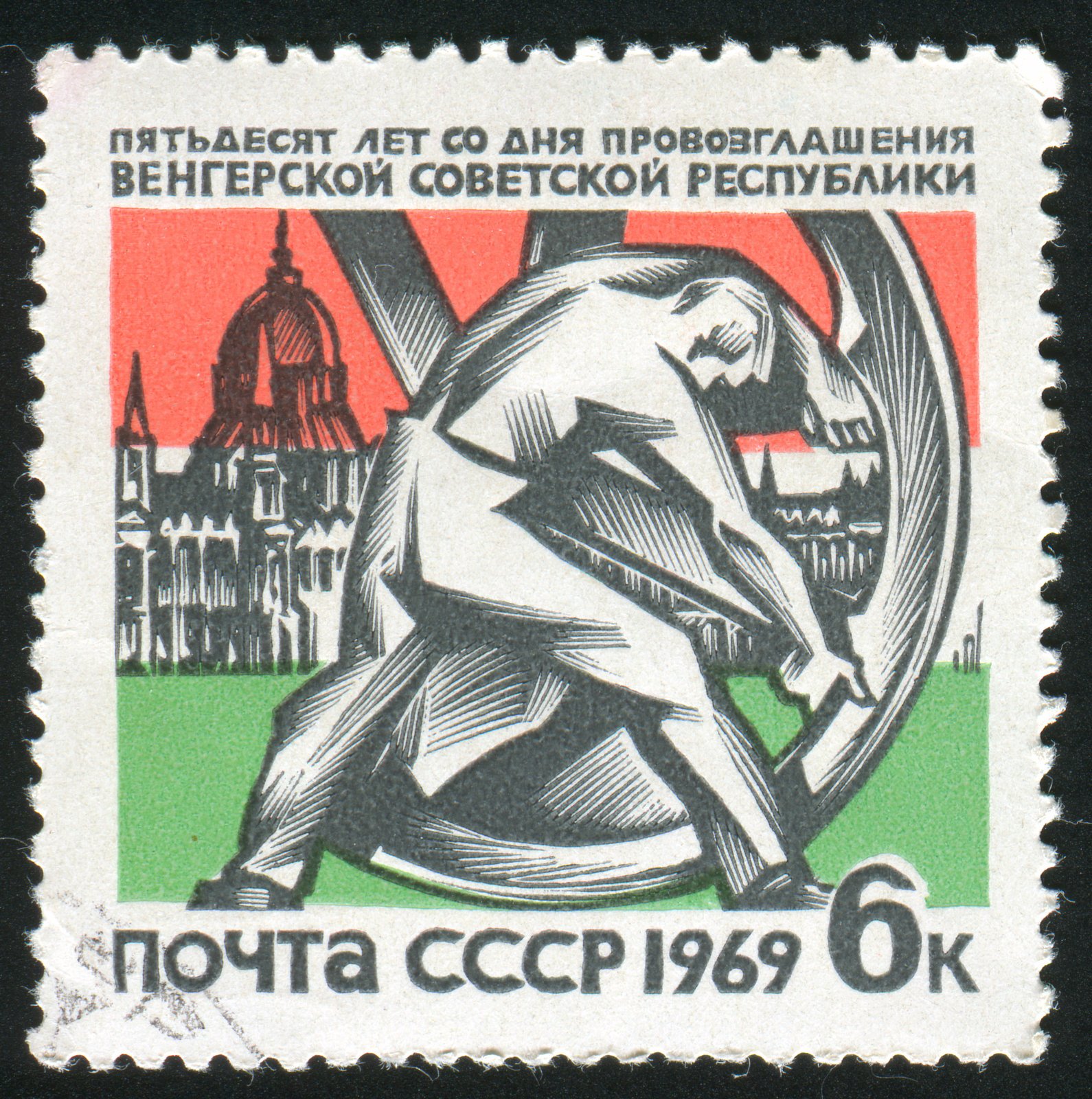
Visual art during the Soviet era was heavily influenced by Socialist Realism, which emphasized heroic imagery and idealized representations of workers. However, artists like Alexander Deineka and Isaak Brodsky found ways to incorporate homoerotic elements into their works. Through the depiction of male figures engaged in physical labor or athletic pursuits, these artists subtly hinted at deeper emotional connections that transcended mere camaraderie.
The muscular bodies and intense gazes often conveyed a sense of intimacy that resonated with viewers on multiple levels. The use of color and composition also played a crucial role in conveying homoerotic themes in visual art. Bright hues and dynamic poses created an atmosphere charged with energy and emotion, inviting viewers to engage with the underlying tensions present in the artwork.
While these depictions may have been framed within the context of glorifying labor and strength, they simultaneously opened up conversations about desire and connection that were often left unspoken in public discourse. In this way, visual art became a powerful medium for exploring complex themes of identity and sexuality within the constraints of Soviet ideology.
The role of homoeroticism in Soviet Socialist Realist film and theater
Film and theater provided another avenue for exploring homoeroticism within the confines of Soviet Socialist Realism. Directors like Sergei Eisenstein utilized innovative storytelling techniques to convey complex emotional relationships between male characters. In films such as “Battleship Potemkin,” the camaraderie among sailors was imbued with an intensity that hinted at deeper connections, allowing audiences to interpret these relationships through a homoerotic lens.
The use of close-ups and dramatic lighting emphasized emotional intimacy, creating a space where viewers could engage with themes of desire without overtly challenging state-sanctioned narratives. Theater also played a significant role in this exploration, with playwrights like Vsevolod Meyerhold pushing boundaries through avant-garde productions that incorporated elements of physicality and emotional expression. The staging of male relationships often blurred the lines between friendship and romantic attraction, inviting audiences to question societal norms surrounding masculinity and desire.
By presenting homoerotic themes within the framework of Socialist Realism, these artists not only challenged prevailing ideologies but also contributed to a broader conversation about love, identity, and human connection.
The political and social implications of homoeroticism in Soviet Socialist Realism
The exploration of homoeroticism within Soviet Socialist Realism carried significant political and social implications. On one hand, it served as a form of resistance against the state’s rigid definitions of sexuality and gender roles. By subtly incorporating same-sex desire into their works, artists and writers challenged the notion that love could only exist within heterosexual confines.
This act of defiance not only provided a voice for marginalized individuals but also encouraged broader discussions about identity and acceptance within society. On the other hand, the portrayal of homoeroticism also reflected the complexities of Soviet ideology itself. The state promoted an image of masculinity that emphasized strength, loyalty, and devotion to the collective, often sidelining emotional vulnerability or intimacy between men.
By depicting homoerotic relationships, artists highlighted the contradictions inherent in this ideology, revealing the human need for connection that transcends political boundaries. This tension between state-sanctioned narratives and personal truths created a fertile ground for exploring themes of love, desire, and identity within the context of Soviet society.
The reception and censorship of homoeroticism in Soviet Socialist Realism
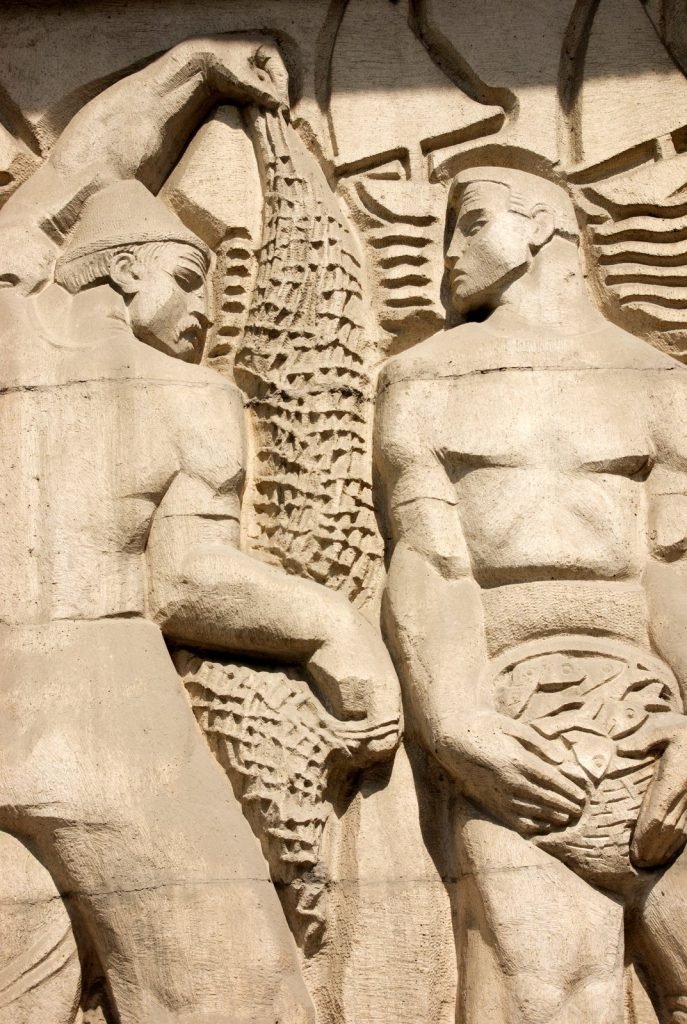
Glorifying the worker while unintentionally (?) creating gay art
Censorship loomed large over any artistic expression during the Soviet era, particularly when it came to themes deemed inappropriate or subversive. Homoeroticism was often met with suspicion or outright condemnation from authorities who sought to maintain control over cultural narratives. Artists faced significant risks when incorporating same-sex desire into their works; many were forced to navigate a delicate balance between creative expression and state approval.
This environment fostered a culture of self-censorship where artists had to be acutely aware of how their work might be interpreted by both audiences and officials. Despite these challenges, some artists managed to push boundaries through clever subtext or symbolic representation. Works that hinted at homoerotic themes often found their way into public consciousness through coded language or visual metaphors that could be interpreted in multiple ways.
This ambiguity allowed for a degree of freedom within an otherwise repressive environment, enabling artists to explore complex emotional landscapes while avoiding direct confrontation with censorship. The reception of these works varied widely; while some were celebrated for their innovation, others faced backlash or were relegated to obscurity due to their perceived transgressions.
The legacy of homoeroticism in Soviet Socialist Realism in contemporary art and culture
The legacy of homoeroticism within Soviet Socialist Realism continues to resonate in contemporary art and culture. As artists today grapple with issues of identity, sexuality, and representation, many draw inspiration from the rich history of subversive expression that characterized this era. The exploration of same-sex desire has become increasingly visible in modern artistic practices, reflecting broader societal shifts toward acceptance and understanding within LGBTQ+ communities.
Contemporary artists often revisit themes from Soviet Socialist Realism while infusing them with new perspectives on identity and sexuality.
By reinterpreting historical narratives through a modern lens, these creators challenge audiences to reconsider preconceived notions about love, desire, and human connection.
This ongoing dialogue not only honors the legacy of those who navigated oppressive regimes but also serves as a reminder that art can be a powerful tool for social change.
the significance of homoeroticism in Soviet Socialist Realism for LGBTQ+ representation and history
The exploration of homoeroticism within Soviet Socialist Realism holds profound significance for LGBTQ+ representation and history. It reveals how artists navigated oppressive political landscapes while simultaneously expressing deeply personal truths about love and desire. By examining these themes through literature, visual art, film, and theater, we gain insight into the complexities of identity formation under repressive regimes.
Moreover, this legacy continues to inspire contemporary discussions around sexuality and representation in art today.
As society evolves toward greater acceptance and understanding, the stories told by those who lived through this era serve as vital reminders of resilience in the face of adversity.