The Eurovision Song Contest, affectionately dubbed the “gayest song contest known to humankind,” has a history as colorful as its performances. Born in 1956, the contest was initially conceived as a way to unite war-torn Europe through the universal language of music.
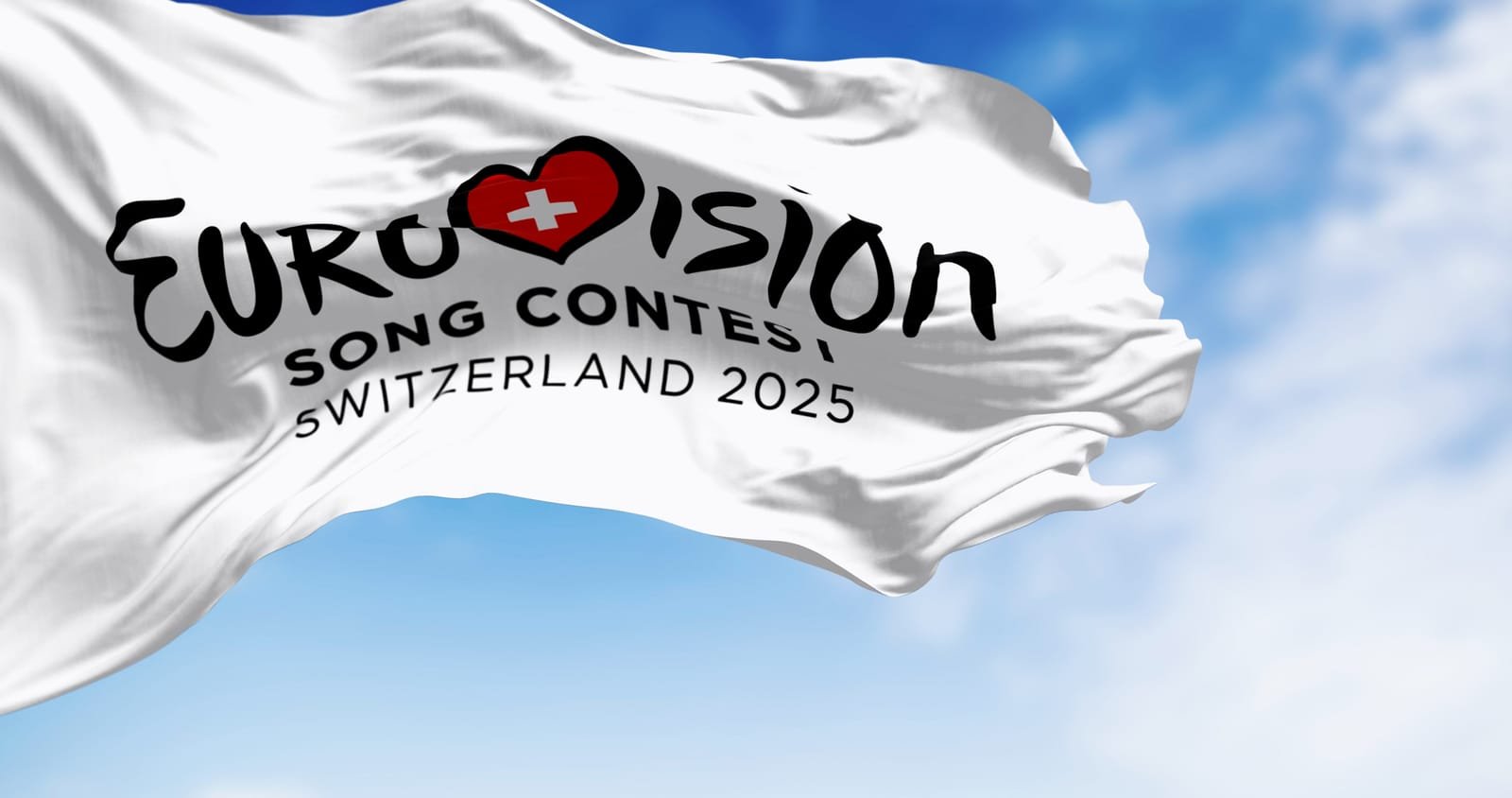
The first event took place in Lugano, Switzerland, featuring just seven countries and a modest lineup of songs. 2025 is coming from Basel, Switzerland, with Nemo’s “The Code” winning in 2024.
Fast forward to today, and Eurovision has transformed into a dazzling spectacle that attracts over 180 million viewers annually, showcasing talent from more than 40 countries. It’s a celebration of music, culture, and, let’s be honest, fabulousness. Over the decades, Eurovision has evolved from a quaint musical competition into a cultural phenomenon.
The contest has seen its fair share of political tensions, with countries voting for their neighbors or rivals rather than the actual talent on display. Yet, despite these quirks, Eurovision has remained a beacon of hope and unity. It has embraced diversity and creativity, allowing artists to express themselves freely.
From Sweden’s ABBA’s iconic win in 1974 with “Waterloo” to the more recent triumph of the Netherlands’ Duncan Laurence with “Arcade” in 2019, the contest has consistently pushed boundaries and redefined what it means to be a pop star on an international stage.
Eurovision Hookups: The Love Affairs and Scandals Behind the Scenes
No doubt about it: the app to use at Eurovision is Grindr, where the one-foot rule suddenly becomes the guy next to you.
Behind the glitz and glamour of Eurovision lies a world of intrigue, romance, and scandal that could rival any soap opera. The contest has been a hotbed for love affairs, with contestants often finding themselves swept up in whirlwind romances during the intense weeks leading up to the event. Take the infamous love story between Swedish singer Loreen and her backing dancer during her 2012 win with “Euphoria.” Their passionate connection became the talk of the town, adding an extra layer of drama to an already electrifying performance.
But it’s not all roses and rainbows; scandals have also peppered Eurovision’s history. The 2006 contest saw Finnish heavy metal band Lordi take home the trophy with their monster-themed performance, but behind the scenes, rumors swirled about rivalries and jealousy among contestants. The pressure cooker environment can lead to unexpected alliances and bitter feuds alike.
In 2014, the contest was rocked by allegations of vote-rigging and political maneuvering that left fans questioning the integrity of the competition. These behind-the-scenes stories add an irresistible layer of intrigue to an event that is already bursting with personality.
Kitschy and Campy: The Outrageous Performances and Costumes of Eurovision
If there’s one thing you can count on at Eurovision, it’s that the performances will be nothing short of outrageous. From glittering costumes to jaw-dropping choreography, each act aims to outdo the last in a battle for attention that often feels like a high-stakes game of “who can be the most fabulous.” Take Conchita Wurst’s unforgettable performance in 2014 with “Rise Like a Phoenix.” With her stunning gown and striking beard, she not only captivated audiences but also made a powerful statement about acceptance and identity. The campiness of Eurovision is part of its charm.
Who could forget the 2000 performance by the Bosnian singer Maja Tatić, who appeared on stage in a dress made entirely of what looked like bubble wrap? Or the time when Ukraine’s Verka Serduchka strutted onto the stage in a silver sequined outfit that could only be described as a disco ball on steroids? These moments are not merely entertaining; they encapsulate the spirit of Eurovision—bold, unapologetic, and utterly unique.
The contest encourages artists to embrace their quirks and showcase their individuality, making it a true celebration of creativity.
The Fiercest Competitors: Iconic Performers and Songs in Eurovision History
Throughout its storied history, Eurovision has birthed some of the fiercest competitors in music. Artists like Celine Dion and Julio Iglesias have graced the stage, but it’s often the more eccentric acts that leave an indelible mark on our memories. Consider the legendary ABBA, whose victory in 1974 with “Waterloo” not only catapulted them to international fame but also set a standard for pop music that still resonates today.
Their catchy melodies and infectious energy have made them icons long after their Eurovision win. Another standout is Israel’s Dana International, who won in 1998 with “Diva,” becoming a symbol of LGBTQ+ representation in music.
Her victory was groundbreaking at a time when acceptance was far from guaranteed.
The song itself is an anthem of empowerment and self-expression, perfectly encapsulating what Eurovision stands for: celebrating diversity through music. These iconic performers have not only shaped the contest but have also influenced generations of artists who followed in their footsteps.
Eurovision’s LGBTQ+ Legacy: How the Contest Became a Celebration of Diversity and Inclusion
Eurovision has long been a safe haven for LGBTQ+ artists and fans alike. From its inception, the contest has embraced diversity in all its forms, allowing performers to express their identities without fear of judgment. This inclusivity has made Eurovision a beloved event within the LGBTQ+ community, where flamboyance is celebrated rather than shunned.
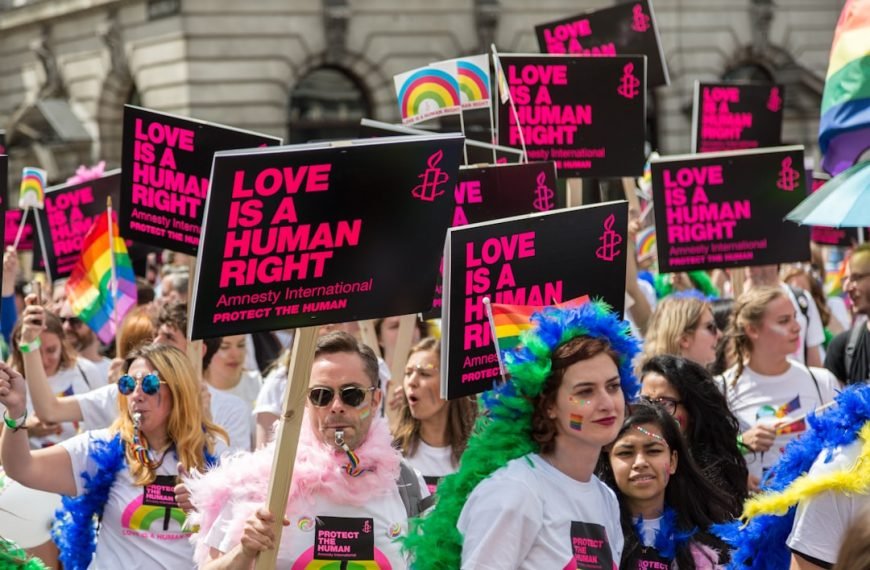
The contest has provided a platform for artists like Conchita Wurst and Dana International to shine brightly, challenging societal norms and advocating for acceptance. The legacy of LGBTQ+ representation at Eurovision extends beyond individual performances; it has fostered a culture of acceptance that resonates throughout Europe and beyond. Events like EuroPride have emerged alongside the contest, further solidifying its status as a celebration of love in all its forms.
The visibility afforded to LGBTQ+ artists has inspired countless individuals to embrace their true selves, making Eurovision not just a song contest but a movement for change.
Eurovision’s Impact on Pop Culture: How the Contest Shaped Music and Entertainment Trends
Eurovision’s Lasting Impact on Pop Culture
Moreover, Eurovision has inspired countless parodies and references in television shows and films. From “Eurovision Song Contest: The Story of Fire Saga,” starring Will Ferrell and Rachel McAdams, to various sketches on shows like “Saturday Night Live,” the contest’s campy essence has permeated popular culture.
A Celebration of Music, Love, and Creativity
It’s not just about music; it’s about creating moments that resonate with audiences long after the final notes have faded away. As we look ahead to future contests, one thing is certain: Eurovision will continue to evolve while remaining an essential part of our cultural fabric—a celebration of music, love, and unabashed creativity that knows no bounds.