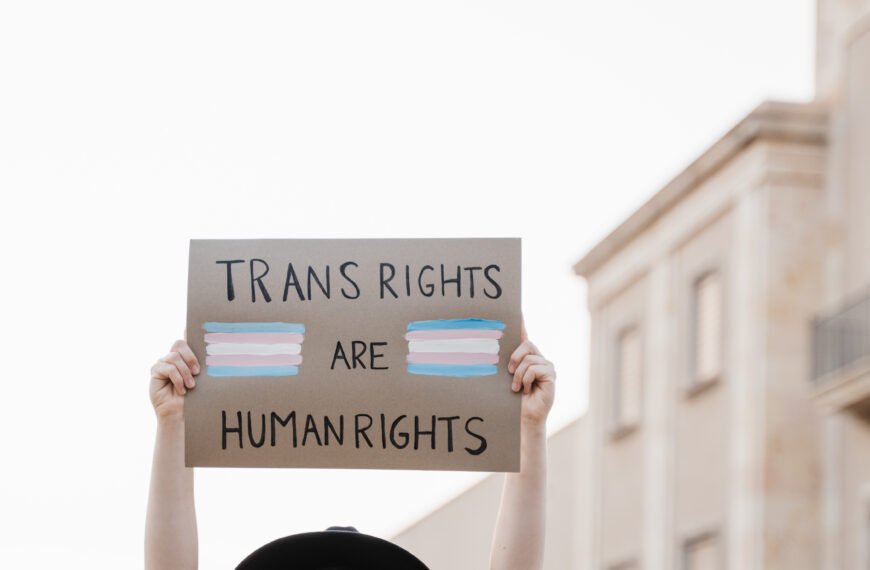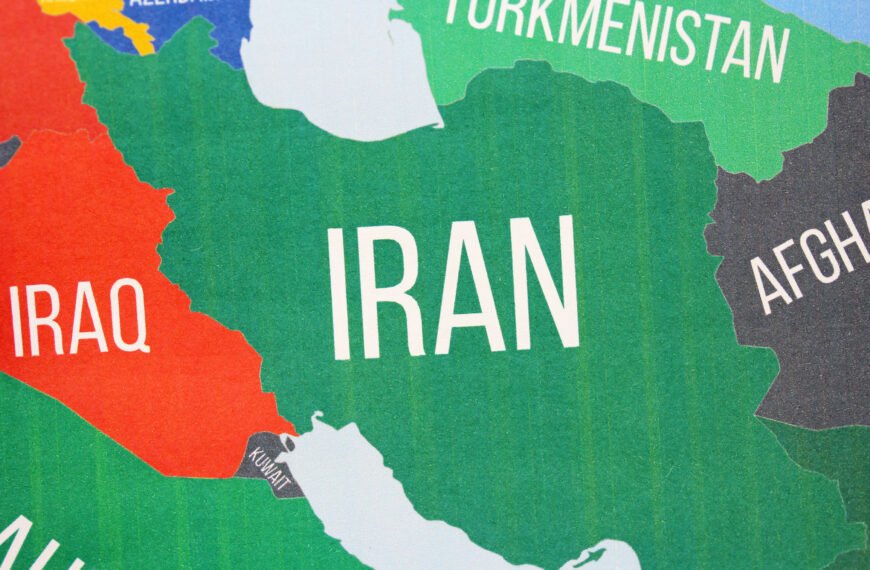
Iraq remains a complex string of cultural, religious, and political influences that shape the lives of its citizens, particularly those in the LGBTQ+ community. The challenges faced by LGBTQ+ individuals in Iraq are profound and often life-threatening, including a stark and oppressive anto-LGBTQ+ ban. Homosexuality is not only socially stigmatized but also legally punishable, with reports of violence and discrimination rampant.
Many LGBTQ+ individuals live in constant fear of persecution, harassment, and even death at the hands of vigilante groups or family members who believe they are upholding traditional values. The societal pressure to conform to heteronormative standards is immense, leading many to hide their identities or flee the country altogether. Despite these dire circumstances, there are glimmers of hope.
Activists within Iraq and the diaspora are quietly working tirelessly to advocate for LGBTQ+ rights, often at great personal risk. Social media has become a lifeline for many, providing a platform for sharing stories and fostering a sense of community among those who feel isolated. International organizations have also begun to take notice, offering support and resources to local activists.
While the road ahead is fraught with obstacles, the resilience of Iraq’s LGBTQ+ community shines through, as they continue to push for recognition and acceptance in a society that often denies their very existence.
Lichtenstein: Advancements in LGBTQ+ Rights
In stark contrast to Iraq, Liechtenstein has made significant strides in advancing LGBTQ+ rights over the past few decades. This small European principality has embraced progressive policies that reflect a growing acceptance of diverse sexual orientations and gender identities. In 2011, Liechtenstein legalized same-sex partnerships, granting couples many of the same rights as heterosexual marriages.
This was a monumental step forward for a nation that had previously lagged behind its neighbors in terms of LGBTQ+ rights. The momentum continued with the introduction of anti-discrimination laws that protect individuals from being treated unfairly based on their sexual orientation. Public opinion has shifted dramatically, with increasing support for LGBTQ+ rights among the general population.
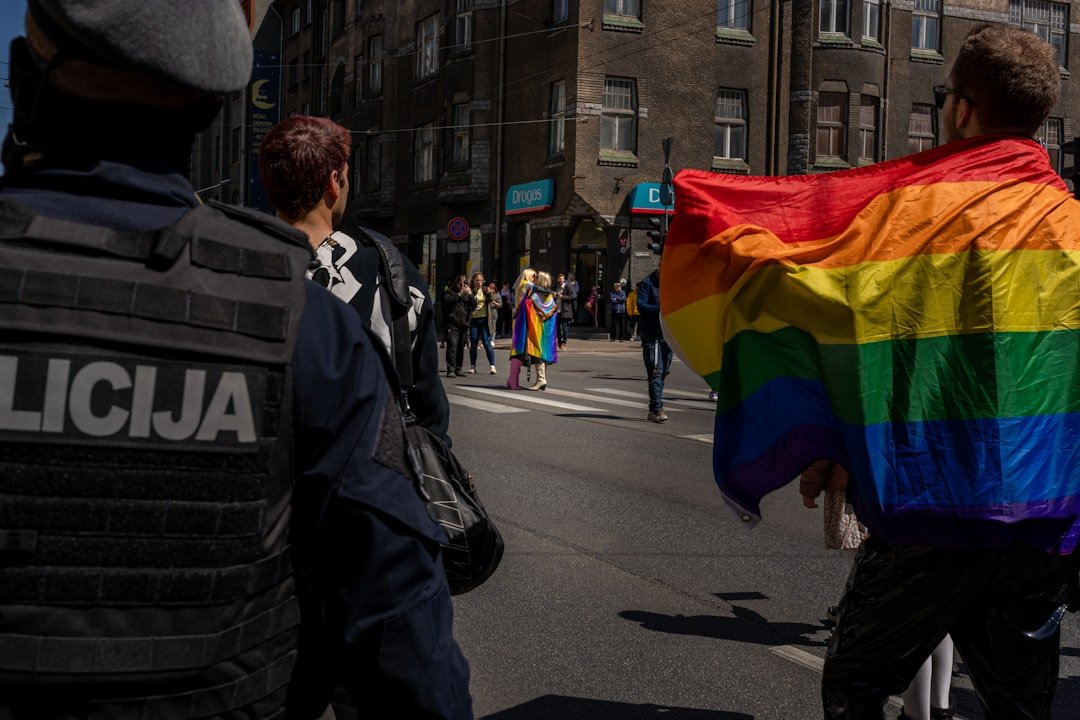
Pride events have become more visible, celebrating love and diversity in a country that is often perceived as conservative. While challenges remain, particularly in terms of societal attitudes, Liechtenstein stands as a beacon of progress in a region where many countries still grapple with acceptance.
Recent Developments in LGBTQ+ Rights in India
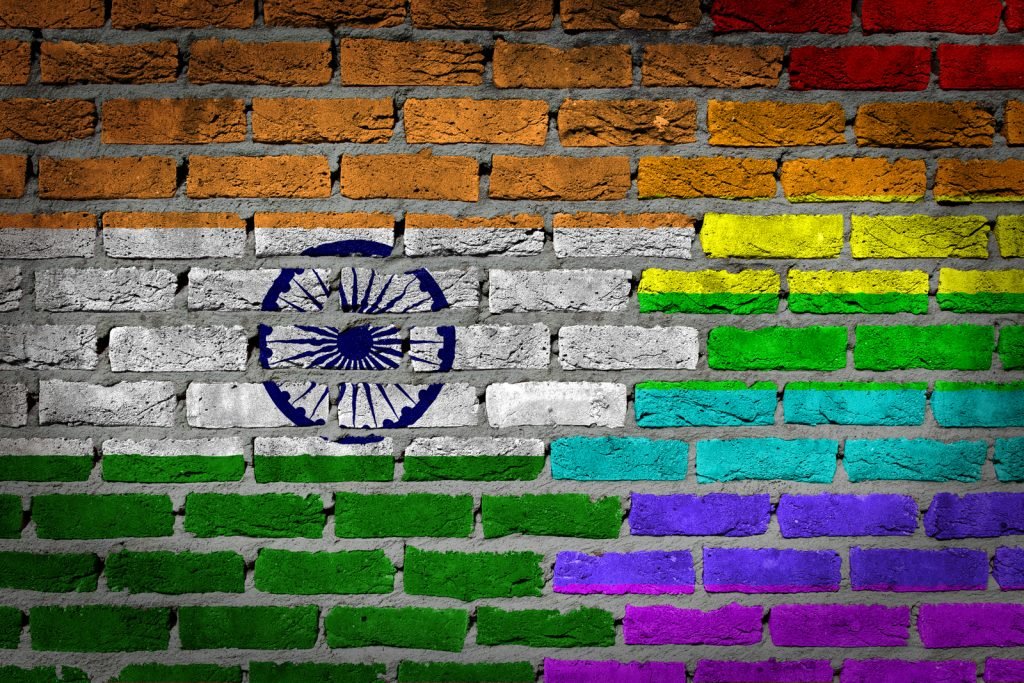
Still a long way to to go
India’s journey toward LGBTQ+ rights has been nothing short of tumultuous, marked by both significant victories and ongoing struggles. The landmark 2018 Supreme Court ruling that decriminalized homosexuality was a watershed moment for the community, signaling a shift toward greater acceptance and legal recognition. This decision not only provided relief to countless individuals who had lived under the shadow of Section 377 but also ignited a renewed sense of activism across the country.
However, the path forward is not without its hurdles. While urban areas have seen a rise in visibility and support for LGBTQ+ individuals, rural regions often remain steeped in traditional values that reject non-heteronormative identities. Activists continue to face challenges such as discrimination in employment and healthcare, as well as societal ostracism.
The recent push for comprehensive anti-discrimination legislation reflects the ongoing struggle for equality, as advocates work tirelessly to ensure that the rights won are not only preserved but expanded. The vibrant LGBTQ+ community in India is resilient, using art, media, and grassroots organizing to foster change and challenge deep-seated prejudices.
Australia’s Changing Landscape for LGBTQ+ Rights
Australia has undergone a remarkable transformation regarding LGBTQ+ rights over the past few decades. Once characterized by conservative attitudes and legal barriers, the nation has embraced a more inclusive approach that culminated in the legalization of same-sex marriage in 2017. This monumental change was the result of years of advocacy and public support, reflecting a broader societal shift toward acceptance and equality.
Yet, while marriage equality was a significant milestone, it was not the end of the journey.
Ongoing discussions about transgender rights and protections against discrimination highlight the need for continued advocacy.
The Australian government has made strides in addressing these issues, but activists argue that more comprehensive measures are necessary to ensure that all members of the LGBTQ+ community feel safe and valued.
The vibrant Pride celebrations across major cities serve as a testament to this progress, showcasing the diversity and strength of Australia’s LGBTQ+ community while reminding everyone that the fight for equality is far from over.
The State of LGBTQ+ Rights in South Africa
South Africa stands out as a beacon of hope on the African continent when it comes to LGBTQ+ rights. Following the end of apartheid in 1994, the country became one of the first in the world to enshrine protections against discrimination based on sexual orientation in its constitution. This progressive legal framework has paved the way for significant advancements, including the legalization of same-sex marriage in 2006.
However, despite these legal protections, South Africa grapples with deeply entrenched societal homophobia and violence against LGBTQ+ individuals. Hate crimes remain alarmingly high, particularly against black queer individuals and transgender women. Activists continue to fight for justice and equality, often facing backlash from conservative factions within society.
The vibrant LGBTQ+ community in South Africa remains resilient, using art, activism, and education to challenge stereotypes and promote acceptance. While progress has been made, the ongoing struggle for safety and recognition underscores the complexities of achieving true equality.
LGBTQ+ Rights in Brazil: Recent International Developments
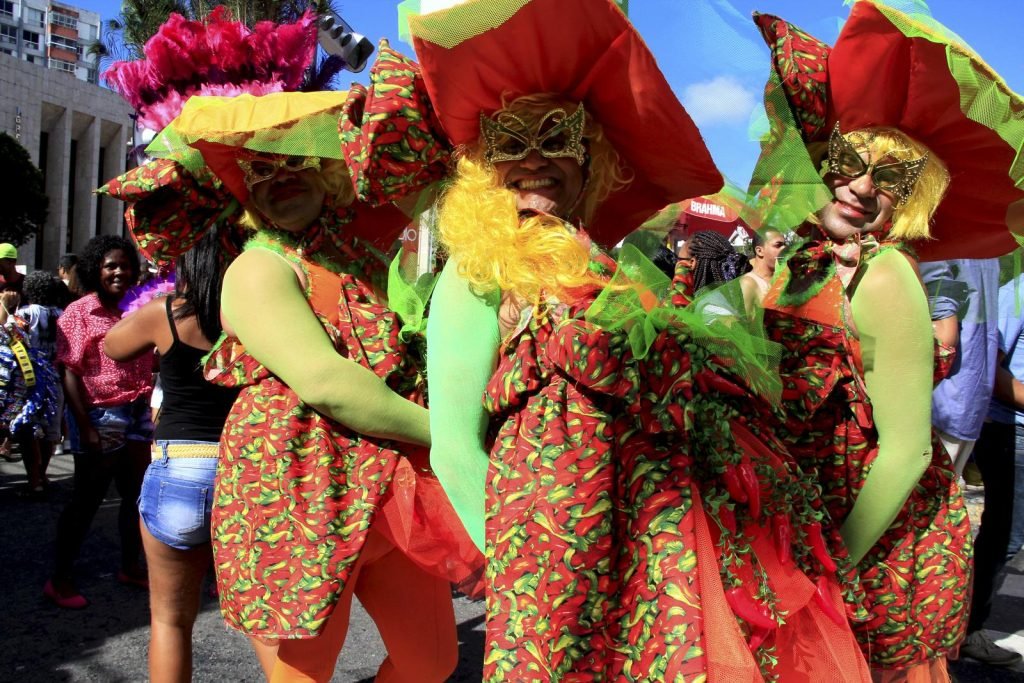
Brazil has long been known for its vibrant culture and celebration of diversity; however, it also faces significant challenges regarding LGBTQ+ rights. The country has made notable advancements over the years, including the legalization of same-sex marriage in 2013 and various anti-discrimination laws aimed at protecting LGBTQ+ individuals from violence and discrimination. Yet, these legal frameworks often clash with deeply rooted societal prejudices.
Recent international developments have brought renewed attention to Brazil’s LGBTQ+ community amid rising violence against queer individuals.
Activists have mobilized both locally and globally to raise awareness about hate crimes and advocate for stronger protections.
The intersectionality of race, class, and gender identity complicates the landscape further; marginalized groups within the LGBTQ+ community often face heightened risks.
As Brazil prepares to host international events like Pride parades and conferences focused on human rights, there is hope that increased visibility will lead to meaningful change and greater acceptance.
Progress and Setbacks in LGBTQ+ Rights in Russia
Russia presents a stark contrast when examining LGBTQ+ rights on a global scale. The country has witnessed significant setbacks in recent years, particularly following the implementation of anti-LGBTQ+ legislation known as the “gay propaganda” law in 2013. This law effectively criminalizes any positive portrayal of LGBTQ+ identities in public discourse or media, fostering an environment where discrimination and violence can thrive unchecked.
Despite these challenges, activists within Russia continue to fight for their rights under increasingly hostile conditions. Russia’s illegal war on Ukraine have pushed conditions even deeper underground. Many have turned to underground networks to provide support and resources for those affected by discrimination or violence. International attention has played a crucial role in amplifying their voices; however, it often comes at a cost as activists face harassment or arrest for their efforts.
The resilience of Russia’s LGBTQ+ community is commendable; they persist in advocating for change even when faced with overwhelming odds.
LGBTQ+ Rights in Japan: Recent International Developments
Japan’s approach to LGBTQ+ rights is characterized by a unique blend of cultural conservatism and gradual progress. While homosexuality has been decriminalized since 1880, comprehensive legal protections for LGBTQ+ individuals remain elusive. However, recent developments indicate a shift toward greater acceptance and recognition within society.
In recent years, several municipalities have begun issuing partnership certificates for same-sex couples, granting them some legal recognition akin to marriage. This movement has gained traction amid growing public support for LGBTQ+ rights, particularly among younger generations. International pressure has also played a role; Japan’s participation in global discussions on human rights has prompted some lawmakers to consider more inclusive policies.
As Japan prepares to host international events like the Tokyo Olympics, there is hope that increased visibility will lead to meaningful change for its LGBTQ+ community. Activists continue to push for comprehensive anti-discrimination laws while fostering dialogue around gender identity and sexual orientation within Japanese society. The journey toward equality may be slow, but each step forward brings Japan closer to embracing its diverse population fully.
In conclusion, while progress varies significantly across different countries regarding LGBTQ+ rights, one common thread remains: resilience. From Iraq’s underground activism to Liechtenstein’s progressive policies, each nation reflects its unique cultural landscape while grappling with issues of acceptance and equality. As we look toward the future, it is essential to recognize both achievements and ongoing struggles within these communities worldwide—because every step toward justice matters.