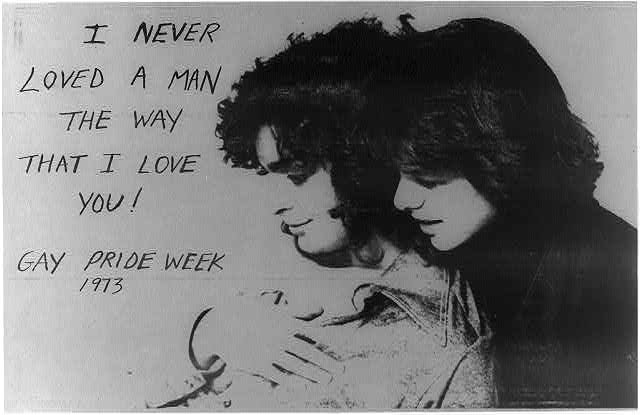

When we think of LGBTQI+ icons, names like Harvey Milk, Marsha P. Johnson, and RuPaul often spring to mind. These individuals have become synonymous with the fight for equality, visibility, and representation. But what about those who have been “disappeared”? While we may never know them, especially women and people who are trans, there are a few who have managed to escape being erased.
Surprising (or Unsurprisingly Brilliant) Gay Icons in History
Leonardo da Vinci: The Renaissance Genius
Leonardo da Vinci, the renowned artist and inventor, is a prime example of a historical figure with a surprising connection to the LGBTQI+ community. While his artistic and inventive genius is well-documented, his personal life has often been shrouded in mystery. Many historians believe that da Vinci may have been gay, citing his close relationships with young male apprentices and the lack of documented romantic relationships with women. This suggests that his artistic brilliance may have been fueled by a passion that society couldn’t fully understand, serving as a reminder that genius often defies conventional boundaries.
Tchaikovsky: The Russian Composer
Another unexpected figure is Pyotr Ilyich Tchaikovsky, the Russian composer whose music has stood the test of time. His emotional compositions often reflect the turmoil he faced as a gay man in a society that condemned his identity. Tchaikovsky’s letters reveal a man grappling with his sexuality while creating some of the most beautiful music ever written.
Art as a Refuge and Battleground
Tchaikovsky’s story illustrates how art can be both a refuge and a battleground for self-acceptance. It reminds us that even the most celebrated figures can struggle with their identities in a world that often demands conformity. Through their stories, we are reminded that the LGBTQI+ community has always been present, even if their voices have been silenced or hidden throughout history.
Hidden LGBTQI+ Figures in History
While some LGBTQI+ figures have achieved fame, many remain hidden in the shadows of history.
Take the poet Emily Dickinson, whose reclusive lifestyle has led to speculation about her sexuality. Dickinson’s letters to her close friend Susan Gilbert Dickinson are filled with passionate language that suggests a deep emotional connection.
Her poetry resonates with themes of longing and isolation, reflecting the struggles faced by those who must hide their identities. Another hidden figure is James VI and I, the King of Scotland and England who ruled in the late 16th and early 17th centuries.
His relationships with male courtiers have sparked debates among historians regarding his sexuality. James’s affection for Robert Carr and later for George Villiers has led some to argue that he may have been bisexual. His reign was marked by political intrigue and personal relationships that defied the rigid expectations of his time.
By examining these hidden figures, we uncover a rich tapestry of human experience that challenges our understanding of history and identity.
Uncovering the Gay History of Iconic Figures
The lives of iconic figures often come with layers of complexity that reveal their connections to the LGBTQI+ community. Take Virginia Woolf, whose modernist literature broke boundaries and explored themes of gender and sexuality. Woolf’s relationship with Vita Sackville-West was not only romantic but also intellectually stimulating, leading to a creative partnership that influenced both their works.
Woolf’s famous essay “A Room of One’s Own” speaks to the need for women to have space—both physically and creatively—to express themselves. Her exploration of identity continues to resonate today, as we navigate our own spaces in a world that often seeks to confine us. Then there’s Alexander the Great, whose legendary conquests are often overshadowed by speculation about his relationships with men, particularly his close bond with Hephaestion.
Ancient texts suggest that their relationship was more than platonic, challenging our modern perceptions of masculinity and love. Alexander’s story reminds us that love can take many forms and that history is often more nuanced than it appears on the surface. By uncovering these connections, we gain a deeper understanding of how sexuality has shaped human experiences throughout time.
Lesser-Known LGBTQI+ Icons in History
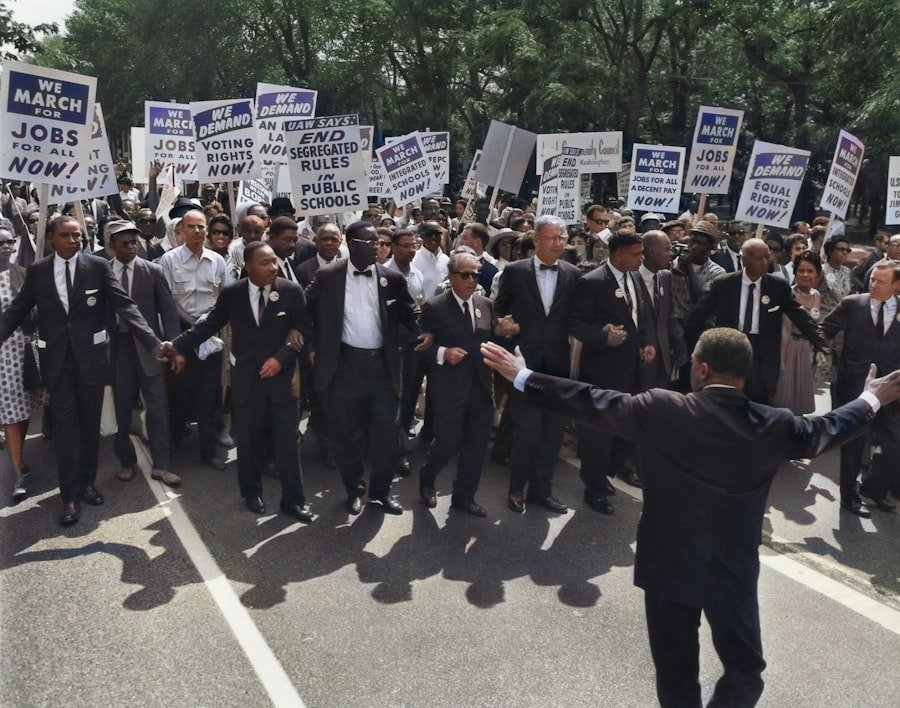
While some LGBTQI+ icons are household names, many others have made significant contributions without receiving the recognition they deserve. One such figure is Bayard Rustin, an openly gay civil rights activist who played a crucial role in organizing the 1963 March on Washington for Jobs and Labor. He was one of Dr. Martin Luther King Jr.’s closest advisors. Despite his success in transforming the labor and civil rights movements, he was removed from view. Despite his pivotal contributions, Rustin’s sexuality led to his marginalization within the movement.
His story highlights the intersectionality of race and sexuality in activism, reminding us that progress often comes at a cost. Another lesser-known icon is Audre Lorde, a poet and activist whose work addressed issues of race, gender, and sexuality. Lorde’s unapologetic exploration of her identity challenged societal norms and inspired countless individuals to embrace their authentic selves.
Her famous declaration that “the master’s tools will never dismantle the master’s house” serves as a rallying cry for those seeking justice and equality. By shining a light on these lesser-known figures, we honor their contributions and ensure that their stories are not lost to history.
Exploring the Hidden Gay History of Historical Figures
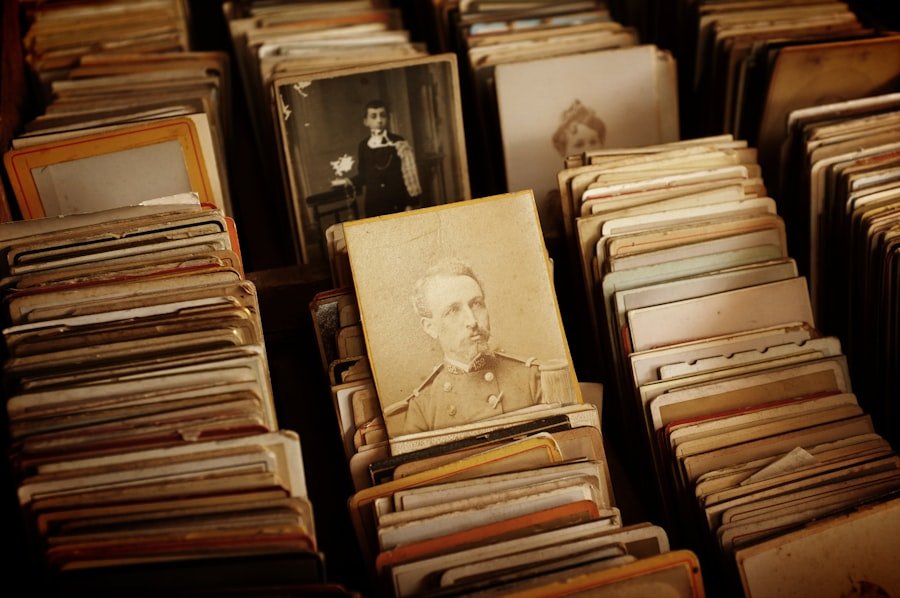
The exploration of hidden gay histories offers a fascinating glimpse into the lives of historical figures who defied societal norms. Consider the case of Queen Christina of Sweden, who ruled in the 17th century and famously rejected traditional gender roles. Christina’s refusal to marry and her close relationships with women have led many historians to speculate about her sexuality.
Her reign was marked by intellectual curiosity and a desire for freedom that challenged the expectations placed upon her as a monarch. Similarly, we can look at the life of Michelangelo, whose artistry continues to captivate audiences centuries later. His letters reveal an intense affection for young male models, leading some scholars to suggest that he may have been gay or bisexual.
Michelangelo’s work often reflects themes of beauty and desire, hinting at a deeper understanding of love that transcends societal constraints. By exploring these hidden histories, we not only celebrate the diversity of human experience but also challenge the narratives that have long dominated our understanding of history. In conclusion, the tapestry of LGBTQI+ history is rich with stories waiting to be uncovered.
From iconic figures who fought for equality to lesser-known individuals whose contributions shaped our world, each story adds depth to our understanding of identity and resilience. As we continue to explore these narratives, we honor those who came before us while paving the way for future generations to live authentically and unapologetically. The fight for visibility and acceptance is ongoing, but by acknowledging our past, we empower ourselves to create a more inclusive future.