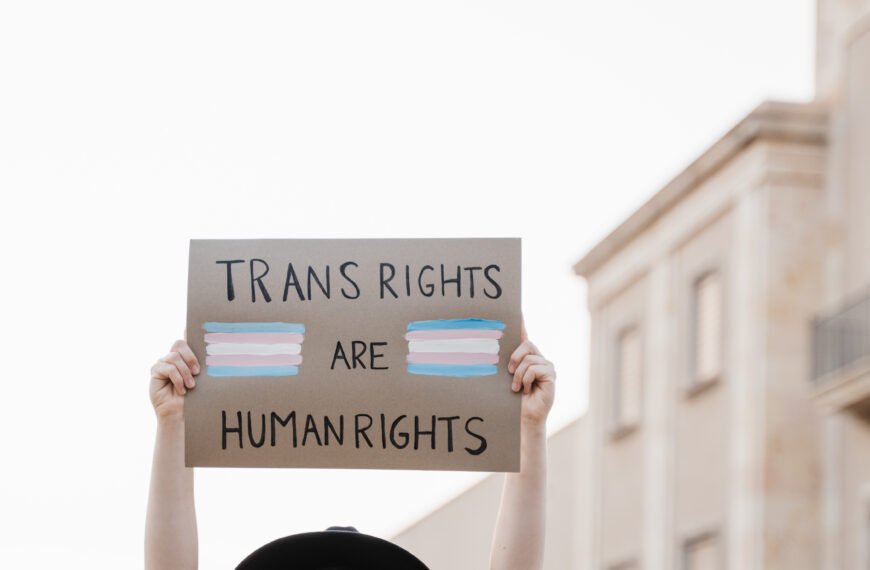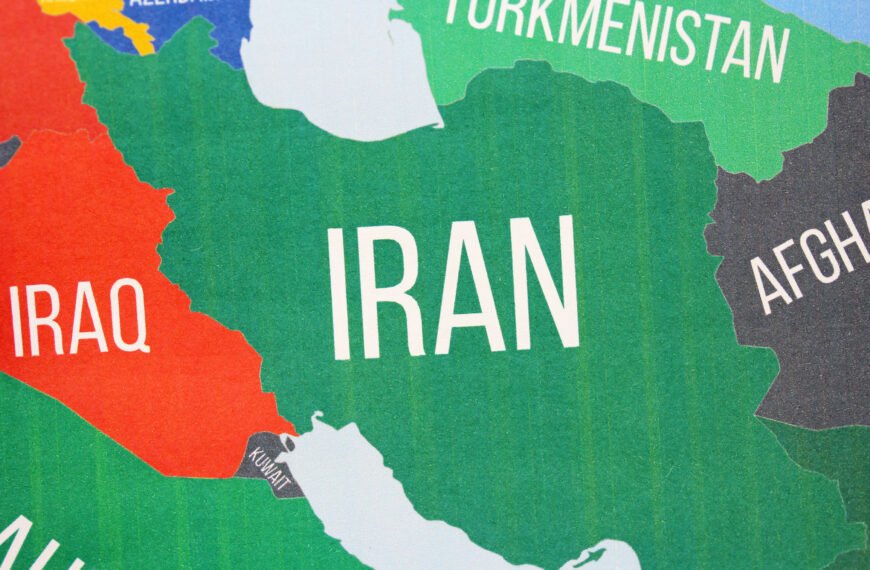
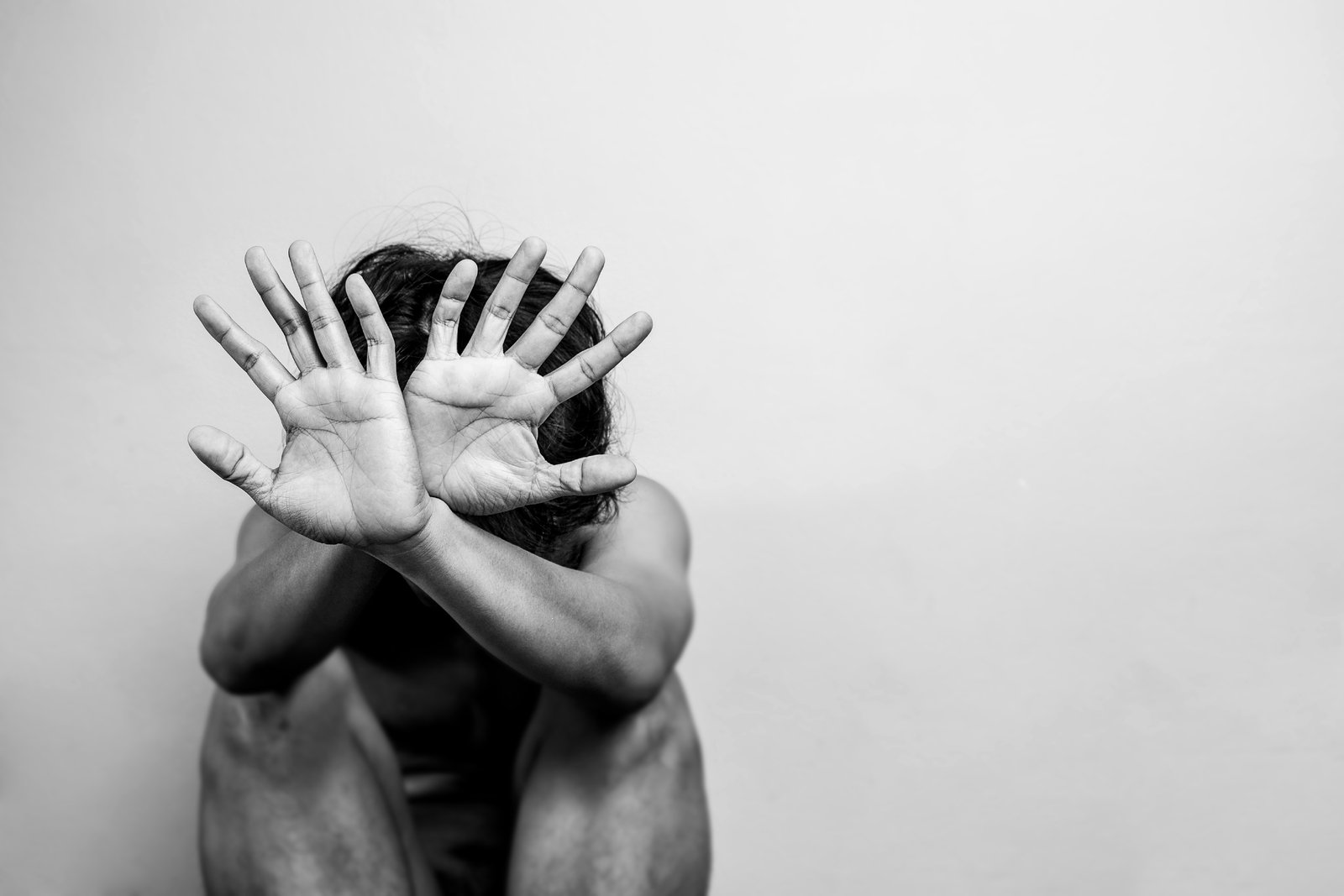
As we examine the world of LGBTQI+ asylum seekers, we must first acknowledge the unique challenges they face. For many individuals, the journey to seek asylum is fraught with peril, compounded by their sexual orientation or gender identity. In numerous countries, being part of the LGBTQI+ community can lead to severe persecution, violence, and even death.
This reality forces many to flee their homes, leaving behind not only their families but also their cultural roots and support systems. The trauma of such experiences can be overwhelming, as they grapple with the loss of their previous lives while navigating an uncertain future. Moreover, the asylum process itself can be daunting and complex.
LGBTQI+ asylum seekers often encounter skepticism and discrimination from authorities who may not understand or accept their identities. This can lead to a lack of trust in the system designed to protect them. Many face additional hurdles, such as language barriers, financial instability, and mental health challenges stemming from their past traumas. They are also expected to prove their “gayness”. This isn’t to say that there have been abuses of the system – there clearly has – but these hurdles are compounded by the fact that being gay in some places is compounded by violence and humiliation, often leading to suicide.
The intersection of their sexual orientation or gender identity with the legal and bureaucratic processes of seeking asylum creates a unique set of obstacles that can hinder their chances of obtaining safety and stability in a new country.
The Intersection of LGBTQI+ Identity and Migration: Navigating Asylum Processes
The Emotional Toll of Asylum Claims
The process can lead to feelings of isolation and fear, as we are forced to relive traumatic experiences in order to validate our claims for protection. The emotional toll of this process cannot be overstated, and it is exacerbated by the legal requirements for asylum, which can be particularly challenging for LGBTQI+ individuals.
The Challenges of Providing Evidence
We may need to provide evidence of persecution based on our sexual orientation or gender identity, which can be difficult to obtain. Many of us come from cultures where our identities are criminalized or stigmatized, making it nearly impossible to gather documentation that supports our claims.
The Need for Inclusive Asylum Processes
The lack of understanding from legal representatives or asylum officers can exacerbate our struggles, as they may not fully grasp the nuances of our experiences. This intersection of identity and migration highlights the urgent need for reform within asylum processes to ensure that they are inclusive and sensitive to the realities faced by LGBTQI+ individuals.
LGBTQI+ Asylum Seekers and the Impact of ICE Policies in the United States

There’s no way to get around it – these are dark days. In the United States, the policies implemented by Immigration and Customs Enforcement (ICE) have a profound impact on LGBTQI+ asylum seekers. The enforcement practices often prioritize detention and deportation over protection and support, creating an environment of fear for those seeking refuge. Many LGBTQI+ individuals find themselves in detention facilities that are ill-equipped to address their specific needs, leading to further marginalization and vulnerability.
Reports of abuse and discrimination within these facilities are not uncommon, leaving us feeling trapped in a system that is supposed to offer safety. The consequences of ICE policies extend beyond individual experiences; they shape the broader landscape of asylum for LGBTQI+ individuals in the U.S. The fear of detention can deter many from pursuing their claims altogether, forcing them to remain in precarious situations rather than seeking the help they desperately need.
Additionally, the lack of resources and support for LGBTQI+ asylum seekers within ICE facilities exacerbates mental health issues and trauma. It becomes clear that comprehensive reform, which won’t happen under the current administration, is necessary to ensure that LGBTQI+ individuals are treated with dignity and respect throughout the asylum process.
The Rise of the European Right Wing and Its Impact on LGBTQI+ Asylum Seekers
The rise of right-wing political movements across Europe has also created a challenging environment for LGBTQI+ asylum seekers. As nationalist sentiments gain traction, policies that once offered refuge to marginalized communities are increasingly under threat. We witness a growing trend of anti-immigrant rhetoric that often scapegoats LGBTQI+ individuals as part of broader narratives that seek to exclude rather than include.
This shift not only affects public perception but also influences governmental policies that directly impact our ability to seek asylum. In many European countries, we see a tightening of borders and an increase in hostility towards asylum seekers, particularly those from non-Western countries. This has led to a chilling effect on LGBTQ+ individuals who may already be hesitant to come forward due to fear of discrimination or violence.
The intersectionality of race, nationality, and sexual orientation complicates our experiences further, as we navigate systems that may not recognize or validate our identities. As right-wing movements continue to gain power, it is crucial for advocates and allies to stand in solidarity with LGBTQ+ asylum seekers, ensuring that our voices are heard and our rights are protected.
Advocacy and Support for LGBTQI+ Asylum Seekers: Addressing the Systemic Barriers
Advocacy plays a vital role in addressing the systemic barriers faced by LGBTQ+ asylum seekers. Organizations dedicated to supporting these individuals work tirelessly to raise awareness about the unique challenges we encounter throughout the asylum process. By providing legal assistance, mental health support, and community resources, advocates help us navigate a system that can often feel overwhelming and hostile.
Their efforts are essential in amplifying our voices and ensuring that our stories are told with compassion and understanding. However, advocacy must also extend beyond individual support; it requires a commitment to systemic change. We must challenge discriminatory policies and practices that perpetuate inequality within the asylum process.
This includes pushing for training programs for immigration officials that focus on LGBTQ+ issues, as well as advocating for legal reforms that recognize the specific needs of our community. By working together with allies and advocates, we can create a more inclusive environment that acknowledges our identities and provides us with the protection we deserve.
The Importance of Creating Safe Spaces for LGBTQI+ Asylum Seekers within the Asylum Process

Under the current situation, visions of detention and deportation are rife in the community
Creating safe spaces for LGBTQI+ asylum seekers is paramount in fostering an environment where we can feel secure and supported during an incredibly vulnerable time. Safe spaces allow us to share our experiences without fear of judgment or discrimination, enabling us to connect with others who understand our struggles. These spaces can take many forms, from community centers offering resources and support groups to online platforms where we can find solidarity among fellow asylum seekers.
Moreover, safe spaces within the asylum process itself are essential for ensuring that our needs are met with sensitivity and respect. This includes training for immigration officials on LGBTQi+ issues, as well as establishing protocols that prioritize our safety during interviews and hearings. By advocating for these changes, we can help create an asylum process that recognizes our humanity and affirms our identities.
Ultimately, fostering safe spaces is not just about providing refuge; it is about affirming our right to exist authentically in a world that often seeks to marginalize us. In conclusion, as we reflect on the myriad challenges faced by LGBTQ+ asylum seekers, it becomes clear that our journey is one marked by resilience and courage. By understanding these challenges and advocating for systemic change, we can work towards a future where all individuals—regardless of their sexual orientation or gender identity—can seek safety and find belonging in new lands.