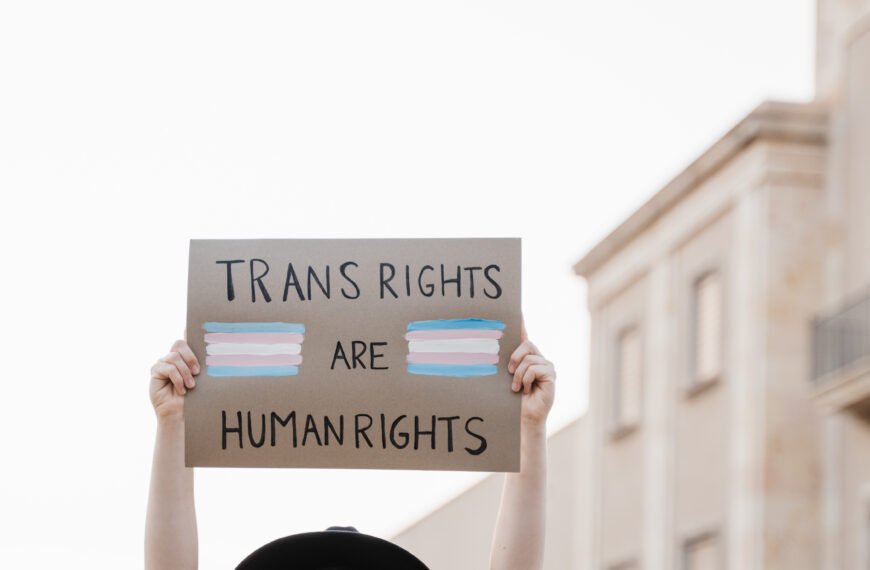
Latin America has long been a vibrant tapestry of cultures, but it has also been a battleground for LGBTQ+ rights. The region’s history is marked by colonialism, machismo, and deeply ingrained religious beliefs, all of which have contributed to a complex landscape for sexual and gender minorities. However, the past few decades have seen a remarkable surge in LGBTQ+ activism, with individuals and organizations rising to challenge oppressive norms and fight for equality.
From the colorful parades of São Paulo to the fierce protests in Mexico City, the resistance is as diverse as the people it represents. One of the most significant milestones in this struggle was the legalization of same-sex marriage in several countries, including Argentina, Uruguay, and more recently, Colombia. These victories are not merely legal triumphs; they symbolize a shift in societal attitudes and a growing acceptance of LGBTQ+ identities.
Activists have harnessed social media to amplify their voices, share personal stories, and mobilize support.
The annual Pride celebrations have transformed into powerful demonstrations of resilience, where individuals proudly declare their identities while demanding justice and recognition.
Yet, despite these advancements, challenges remain.
Violence against LGBTQ+ individuals persists, particularly against transgender women, highlighting the urgent need for continued advocacy and protection.
LGBTQ+ Resistance in Asia
Asia presents a unique landscape for LGBTQ+ resistance, characterized by a rich diversity of cultures and traditions that often clash with modern notions of sexual orientation and gender identity. In countries like India, the decriminalization of homosexuality in 2018 marked a significant victory for activists who had fought tirelessly against Section 377, a colonial-era law that criminalized same-sex relationships. This landmark ruling ignited a wave of activism across the continent, inspiring movements in neighboring countries where LGBTQ+ individuals still face severe discrimination and violence.
However, the fight for equality in Asia is far from uniform. In places like Indonesia and Malaysia, anti-LGBTQ+ sentiment is rampant, with government crackdowns on queer communities becoming increasingly common. Activists face immense risks, often operating underground to avoid persecution.
Yet, even in these challenging environments, grassroots organizations are emerging, providing safe spaces for LGBTQ+ individuals to connect and support one another. The resilience of these communities is evident in their ability to organize pride events and awareness campaigns despite the looming threat of violence or arrest. The struggle for acceptance continues, but the spirit of resistance remains unyielding.
LGBTQ+ Resistance in Africa
The African continent is often portrayed as a monolith when it comes to LGBTQ+ issues, but the reality is far more nuanced. While some countries enforce draconian laws against homosexuality—leading to imprisonment or even death—others are witnessing a burgeoning movement for rights and recognition. In South Africa, the first country on the continent to legalize same-sex marriage in 2006, LGBTQ+ activists have made significant strides in advocating for equality.
However, this progress stands in stark contrast to the experiences of queer individuals in many other African nations. In countries like Uganda and Nigeria, anti-LGBTQ+ legislation has led to widespread violence and discrimination. Activists face constant threats to their safety as they work to challenge these oppressive systems.
Yet, amidst this adversity, there are stories of courage and resilience. Organizations like the African Queer Youth Initiative are working tirelessly to create safe spaces for LGBTQ+ youth, providing them with resources and support. The power of storytelling has also emerged as a vital tool in this resistance; personal narratives shared through social media platforms have humanized the struggles faced by LGBTQ+ individuals and fostered solidarity across borders.
The fight for equality in Africa is ongoing, but the determination of activists shines brightly against the backdrop of adversity.
LGBTQ+ Resistance in the Middle East
| Country | Legal Status | Support Organizations |
|---|---|---|
| Iran | Criminalized | 6Rang, Iranian Railroad for Queer Refugees |
| Saudi Arabia | Illegal | Helem, M-Coalition |
| Lebanon | Partially Legal | Helem, Proud Lebanon |
| Turkey | Legal | Kaos GL, SPoD |
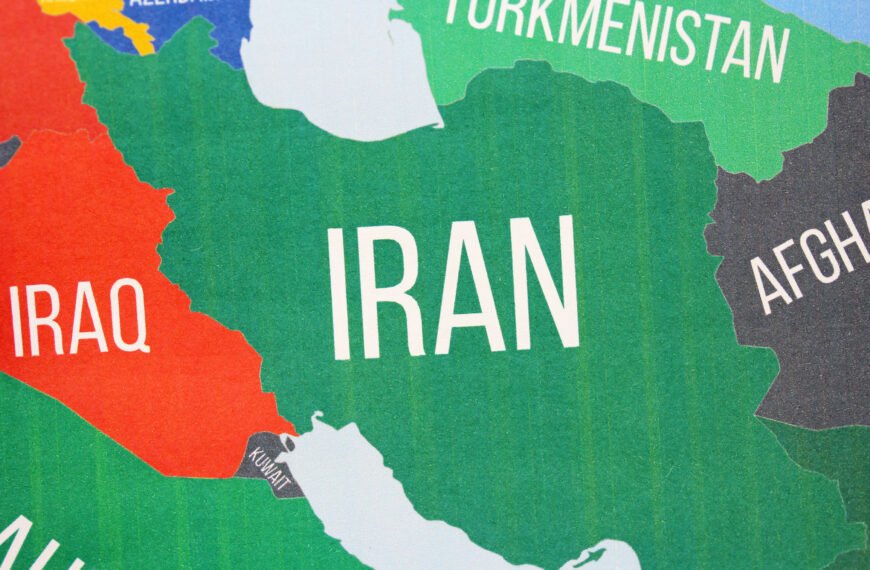
The Middle East presents one of the most challenging environments for LGBTQ+ individuals globally. Many countries enforce strict laws against homosexuality, often rooted in religious doctrine. In places like Iran and Saudi Arabia, being queer can lead to severe punishment, including imprisonment or execution.
Yet, even within these oppressive regimes, pockets of resistance are emerging. Activists are finding innovative ways to advocate for their rights while navigating a landscape fraught with danger. In Lebanon, for instance, a vibrant LGBTQ+ community has emerged despite societal stigma and legal challenges.
Organizations like Helem have been at the forefront of advocating for LGBTQ+ rights, providing support services and raising awareness about issues affecting queer individuals.
The annual Beirut Pride event has become a symbol of resilience and defiance against oppressive norms.
However, this progress is often met with backlash; activists face harassment and violence from both state authorities and conservative factions within society.
The struggle for acceptance in the Middle East is fraught with peril, but the courage displayed by activists continues to inspire hope for a more inclusive future.
LGBTQ+ Resistance in Oceania
Oceania is a region marked by stunning natural beauty and rich cultural diversity, yet it also grapples with complex issues surrounding LGBTQ+ rights. Australia and New Zealand have made significant strides toward equality, with same-sex marriage legalized in both countries in recent years. These victories have galvanized activists across the region, fostering a sense of solidarity among LGBTQ+ communities.
Pride events have become vibrant celebrations of identity and resilience, drawing attention to ongoing issues such as discrimination and violence. However, not all nations in Oceania share this progressive outlook. In some Pacific Island nations, traditional beliefs and colonial-era laws continue to marginalize LGBTQ+ individuals.
Activists face unique challenges as they navigate cultural sensitivities while advocating for their rights. Organizations like Rainbow Pride Australia work tirelessly to support queer communities across the region, emphasizing the importance of intersectionality in their activism. The fight for equality in Oceania is multifaceted; while some areas celebrate progress, others remain entrenched in discrimination.
Yet through collaboration and shared experiences, activists are forging a path toward greater acceptance.
LGBTQ+ Resistance in the Caribbean
The Caribbean is often seen as a paradise of sun-soaked beaches and vibrant cultures; however, beneath this idyllic surface lies a troubling reality for many LGBTQ+ individuals. Many Caribbean nations maintain colonial-era laws that criminalize homosexuality, leading to widespread discrimination and violence against queer communities. Activists have emerged as beacons of hope in this challenging landscape, working tirelessly to advocate for change while facing significant risks.
In Jamaica, for example, where anti-LGBTQ+ sentiment is particularly strong, organizations like J-FLAG (Jamaica Forum for Lesbians All-Sexuals & Gays) have been at the forefront of resistance efforts. They provide support services for LGBTQ+ individuals while raising awareness about issues such as hate crimes and discrimination. Despite facing backlash from conservative factions within society, these activists continue to push for change through education and advocacy.
The annual Pride celebrations in various Caribbean nations serve as powerful reminders of resilience; they transform into acts of defiance against oppressive norms while fostering community solidarity.
LGBTQ+ Resistance in Eastern Europe
Eastern Europe has witnessed a tumultuous journey regarding LGBTQ+ rights over the past few decades. Following the fall of communism, many countries began to embrace democratic values; however, this progress has been uneven at best. Nations like Poland and Hungary have seen a rise in anti-LGBTQ+ sentiment fueled by nationalist rhetoric and conservative politics.
Activists are fighting back against this tide of intolerance through grassroots organizing and international solidarity. In Poland, where “LGBT-free zones” were declared by local governments, activists have mobilized to challenge these discriminatory policies head-on. The annual Warsaw Pride parade has become a focal point for resistance; it draws thousands who march not only for visibility but also for justice and equality.
Despite facing hostility from both state authorities and far-right groups, these activists remain undeterred in their pursuit of change. The power of community is palpable as they come together to support one another amid adversity; their resilience serves as an inspiration not only within Eastern Europe but also globally.
LGBTQ+ Resistance in South Asia
South Asia presents a complex tapestry of cultures where tradition often clashes with modernity regarding LGBTQ+ rights. In India, the decriminalization of homosexuality in 2018 was a watershed moment that ignited hope among activists across the region. This victory was not merely legal; it represented years of tireless advocacy by individuals who risked everything to challenge oppressive norms.
However, while India has made strides toward acceptance, neighboring countries like Pakistan and Bangladesh continue to enforce harsh penalties against homosexuality. Activists throughout South Asia are working diligently to create safe spaces for LGBTQ+ individuals while advocating for broader societal acceptance. Organizations like Naz Foundation in India provide crucial support services while raising awareness about issues affecting queer communities.
The power of storytelling has emerged as a vital tool; personal narratives shared through social media platforms have humanized the struggles faced by LGBTQ+ individuals and fostered solidarity across borders. The fight for equality in South Asia is ongoing; while progress has been made in some areas, significant challenges remain. Yet through resilience and determination, activists continue to push boundaries and pave the way toward a more inclusive future.
In conclusion, the global struggle for LGBTQ+ rights is marked by both triumphs and challenges across different regions. From Latin America to South Asia, activists are forging paths toward acceptance while confronting deeply entrenched prejudices.