
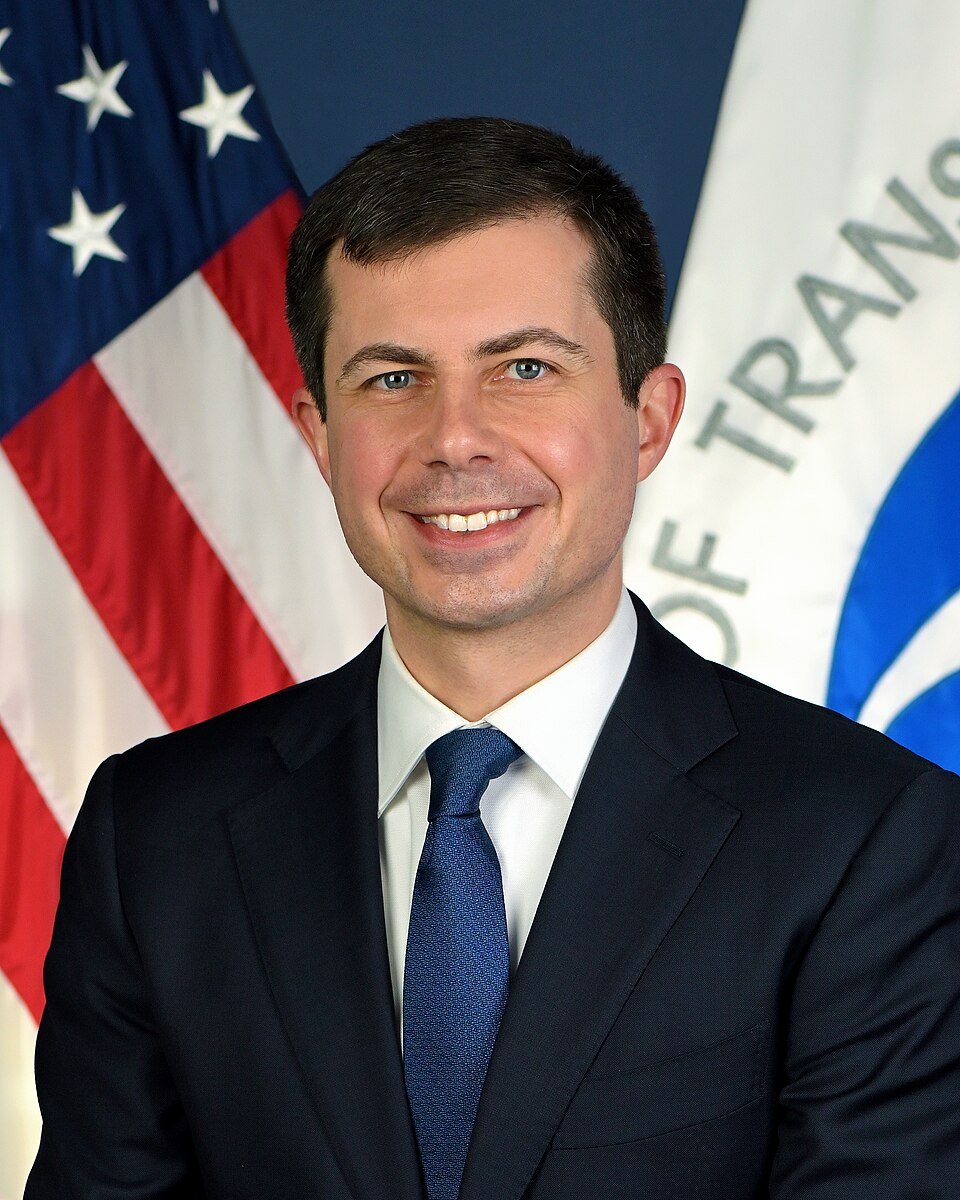
Pete Buttigieg, the former mayor of South Bend, Indiana, has become a notable figure in American politics, capturing the attention of both supporters and skeptics alike. His journey began in a relatively small Midwestern city, where he served as mayor from 2012 to 2020. Buttigieg’s rise to prominence can be attributed to his unique blend of youthful energy, articulate communication skills, and a progressive vision that resonated with many Americans.
His candidacy for the Democratic nomination in the 2020 presidential election marked a significant turning point in his political career, as he became the first openly gay candidate to run for president from a major party. This milestone not only highlighted his personal story but also represented a broader shift in societal attitudes toward LGBTQ+ individuals. Buttigieg’s campaign was characterized by a fresh approach to politics, often described as a blend of pragmatism and idealism.
He quickly gained traction among voters, particularly younger demographics, who were drawn to his message of unity and progress. His ability to articulate complex policy issues in an accessible manner set him apart from other candidates. Buttigieg’s experience as a military veteran and his academic background, including a degree from Harvard and a Rhodes Scholarship, further bolstered his credibility.
As he navigated the crowded Democratic primary field, his rise was marked by a series of impressive debate performances and a knack for connecting with voters on a personal level.
The Impact of Buttigieg’s Leadership in the 2028 Primaries
As the 2028 primaries approach, Buttigieg’s leadership style is expected to play a crucial role in shaping the Democratic Party’s direction. His experience from the previous election cycle has equipped him with valuable insights into the dynamics of modern campaigning. Buttigieg has demonstrated an ability to adapt his message to resonate with diverse audiences, which will be essential in a primary landscape that is likely to be competitive and multifaceted.
His focus on issues such as climate change, healthcare reform, and economic inequality aligns with the priorities of many Democratic voters, positioning him as a formidable candidate. Moreover, Buttigieg’s leadership has the potential to unify various factions within the party. In an era marked by polarization, his emphasis on collaboration and bipartisanship could attract moderates and progressives alike.
His track record as mayor, where he successfully implemented policies that improved infrastructure and community engagement, showcases his capability to govern effectively. As he steps into the 2028 primaries, Buttigieg’s ability to inspire hope and foster dialogue will be critical in rallying support and energizing the base.
Buttigieg’s Vision for the Future of American Democracy

Severely damaged but hopefully not out
Buttigieg envisions a future where American democracy is revitalized through inclusivity and innovation. He believes that democracy should not only be about casting votes but also about fostering active participation in civic life. His vision includes reforms aimed at increasing voter access, such as automatic voter registration and measures to combat voter suppression.
By advocating for these changes, Buttigieg seeks to empower marginalized communities and ensure that every voice is heard in the democratic process. In addition to electoral reforms, Buttigieg emphasizes the importance of addressing systemic issues that undermine democracy. He has called for campaign finance reform to reduce the influence of money in politics, advocating for transparency and accountability among elected officials.
His commitment to tackling disinformation and promoting media literacy reflects a recognition of the challenges posed by misinformation in the digital age. Buttigieg’s vision is not merely about winning elections; it is about creating a more equitable society where democracy thrives through informed citizen engagement.
The Role of Young Voters in Buttigieg’s Poll Success
Young voters have emerged as a pivotal demographic in Buttigieg’s polling success, significantly influencing his standing in both primary and general election scenarios. This group, often characterized by their progressive values and desire for change, has found resonance in Buttigieg’s message of hope and inclusivity. His ability to connect with younger audiences through social media platforms and grassroots organizing has allowed him to build a robust coalition that extends beyond traditional party lines.
Buttigieg’s policies on issues such as climate change, student debt relief, and social justice align closely with the priorities of young voters. His commitment to addressing climate change through ambitious initiatives has particularly struck a chord with this demographic, which is increasingly concerned about the future of the planet. By actively engaging with young voters and addressing their concerns, Buttigieg has positioned himself as a candidate who not only understands their challenges but is also willing to fight for their future.
Buttigieg’s Policy Positions and Their Appeal to American Voters
Buttigieg’s policy positions reflect a blend of progressive ideals and pragmatic solutions that appeal to a broad spectrum of American voters. His approach to healthcare reform emphasizes expanding access while maintaining quality care, advocating for a public option that would provide an alternative to private insurance. This stance resonates with many who are frustrated with rising healthcare costs yet wary of completely overhauling the system.
On economic issues, Buttigieg champions policies aimed at reducing income inequality and supporting working families. His proposals for raising the minimum wage and investing in education and job training programs demonstrate a commitment to creating opportunities for all Americans. Additionally, his focus on infrastructure investment aligns with bipartisan interests, making it easier for him to appeal to moderate voters who prioritize economic growth.
By presenting comprehensive policy solutions that address pressing issues while remaining grounded in reality, Buttigieg has carved out a unique space within the political landscape.
The Challenges and Opportunities of Buttigieg’s Campaign
Without Bush, there would have been no Obama, without Trump, there might not be Pete Buttigieg
While Buttigieg’s campaign presents numerous opportunities for success, it is not without its challenges. One significant hurdle is overcoming skepticism from more established party figures who may question his experience or electability against Republican opponents. Critics often point to his relatively short tenure as mayor and lack of experience at higher levels of government as potential weaknesses.
However, Buttigieg counters this narrative by emphasizing his innovative governance style and ability to connect with constituents on pressing issues. Another challenge lies in navigating the diverse landscape of Democratic voters. The party encompasses a wide range of ideologies, from moderate centrists to progressive activists.
Balancing these factions while maintaining a cohesive message can be tricky. However, this challenge also presents an opportunity for Buttigieg to position himself as a unifying figure capable of bridging divides within the party. By focusing on common goals and fostering dialogue among different groups, he can strengthen his appeal and build a coalition that transcends traditional boundaries.
The International Perspective on Buttigieg’s Potential Presidency
Globally, Pete Buttigieg’s potential presidency is viewed with intrigue and optimism by many international observers. His background as a military veteran and his experience in foreign policy discussions during his tenure as Secretary of Transportation have positioned him as a candidate who understands the complexities of global relations. Many countries are eager for American leadership that prioritizes diplomacy over confrontation, and Buttigieg’s approach aligns with this desire.
Moreover, his commitment to addressing climate change resonates strongly on the international stage. As countries grapple with environmental challenges, Buttigieg’s advocacy for ambitious climate policies could enhance America’s standing as a leader in global efforts to combat climate change. His willingness to engage with international partners on issues such as trade, security, and human rights reflects a modern understanding of interconnectedness in today’s world.
This perspective could foster stronger alliances and collaborative efforts on pressing global challenges.
The Implications of Buttigieg’s Poll Lead for the Future of US Politics
Buttigieg’s current poll lead carries significant implications for the future of U.S. politics. It signals a potential shift toward younger leadership styles that prioritize inclusivity and innovation over traditional political norms.
If he continues to gain traction among voters, it could pave the way for a new generation of leaders who embrace progressive values while remaining grounded in pragmatic solutions.
Furthermore, Buttigieg’s success could inspire other candidates from diverse backgrounds to enter the political arena, fostering greater representation within American politics. His candidacy challenges conventional notions of what it means to be a viable candidate for high office, encouraging others who may have previously felt marginalized or overlooked to pursue their political ambitions.
As he navigates the complexities of campaigning in an evolving political landscape, Buttigieg’s journey will undoubtedly leave an indelible mark on the future trajectory of U.S. politics—one that embraces change while striving for unity amidst diversity.