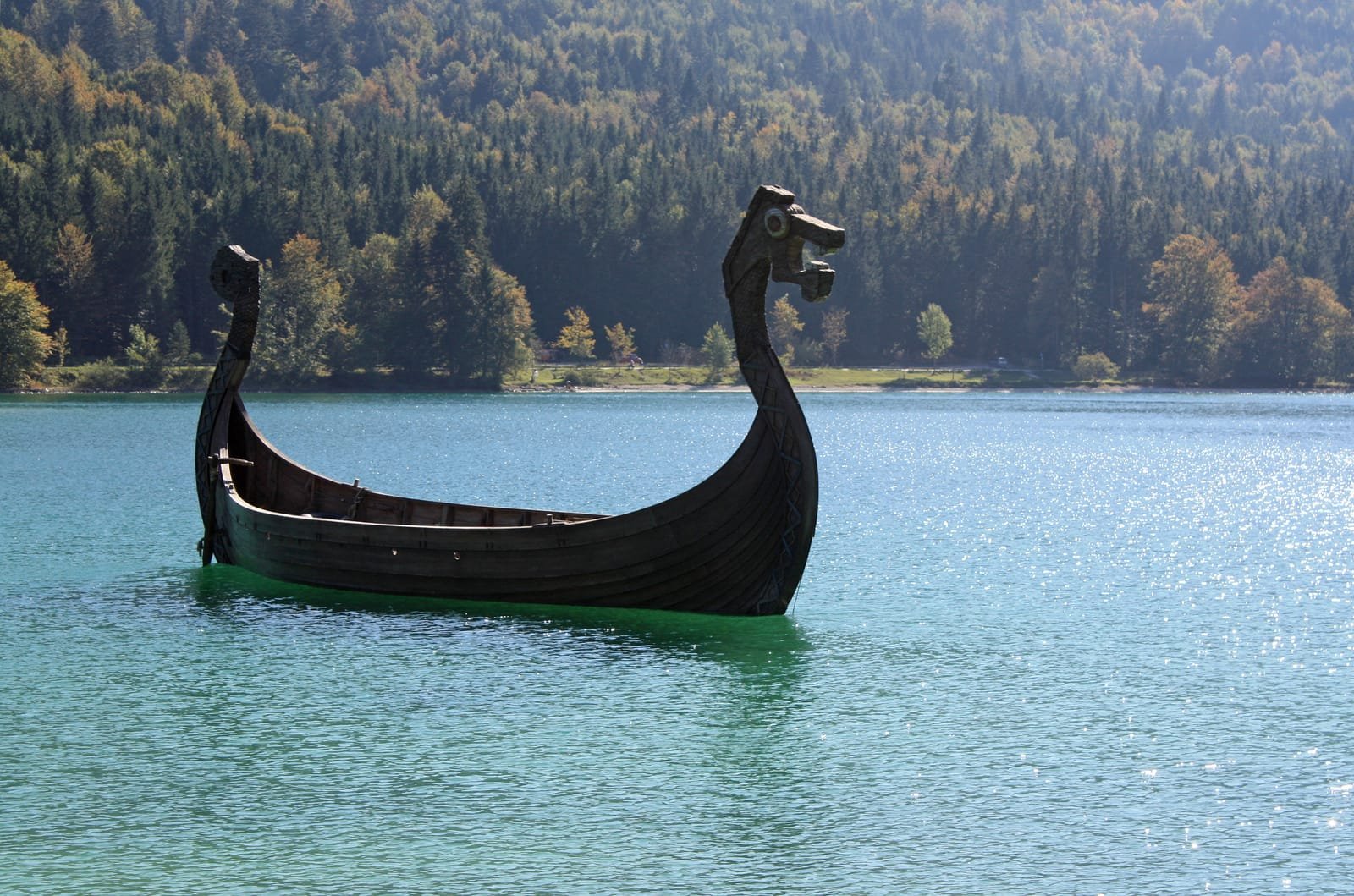
The National Museum in Denmark has embarked on a imaginative transformative journey to reshape our understanding of Viking history in The Viking Sorceress, on now in Copenhagen. Traditionally, the narrative surrounding Vikings has been dominated by tales of fierce warriors, longships, and conquests. However, the museum is now taking a more nuanced approach, one that seeks to highlight the complexities of Viking society beyond the sword and shield.
This shift is not merely academic; it reflects a broader cultural movement to embrace a more inclusive and multifaceted view of history, regardless of what is happening in the US. By integrating new research and perspectives, the museum aims to present a Viking world that is rich in diversity and depth. This new approach is evident in the museum’s exhibitions, which now feature artifacts and stories that illuminate the lives of everyday Vikings, including their social structures, trade practices, and spiritual beliefs.
The museum has also begun to incorporate contemporary scholarship that challenges long-held assumptions about Viking culture. This includes a focus on gender roles, social hierarchies, and the often-overlooked contributions of women and marginalized groups. By doing so, the National Museum is not only preserving history but also actively participating in the ongoing dialogue about how we interpret our past.
The Role of Women in Viking Society: The Volva and Seiðr
Women in Viking society were far more than mere companions to their male counterparts; they played crucial roles that shaped their communities. Among the most fascinating figures were the Volva, or seeresses, who held significant spiritual authority. These women were often consulted for their insights into the future and were believed to possess a deep connection to the gods and the natural world.
The practice of Seiðr, a form of magic associated with fate and prophecy, was predominantly performed by women, further emphasizing their importance in spiritual and social realms. The Volva’s role extended beyond mere divination; they were also integral to rituals and ceremonies that reinforced community bonds. Their presence at significant events, such as births, marriages, and funerals, underscored their status as custodians of tradition and culture.
This recognition of women’s spiritual power challenges the conventional narrative that often sidelines female contributions in historical accounts. By bringing these stories to light, we gain a richer understanding of Viking society as one that valued the insights and abilities of women.
Exploring the Concept of Ergi in Viking Culture
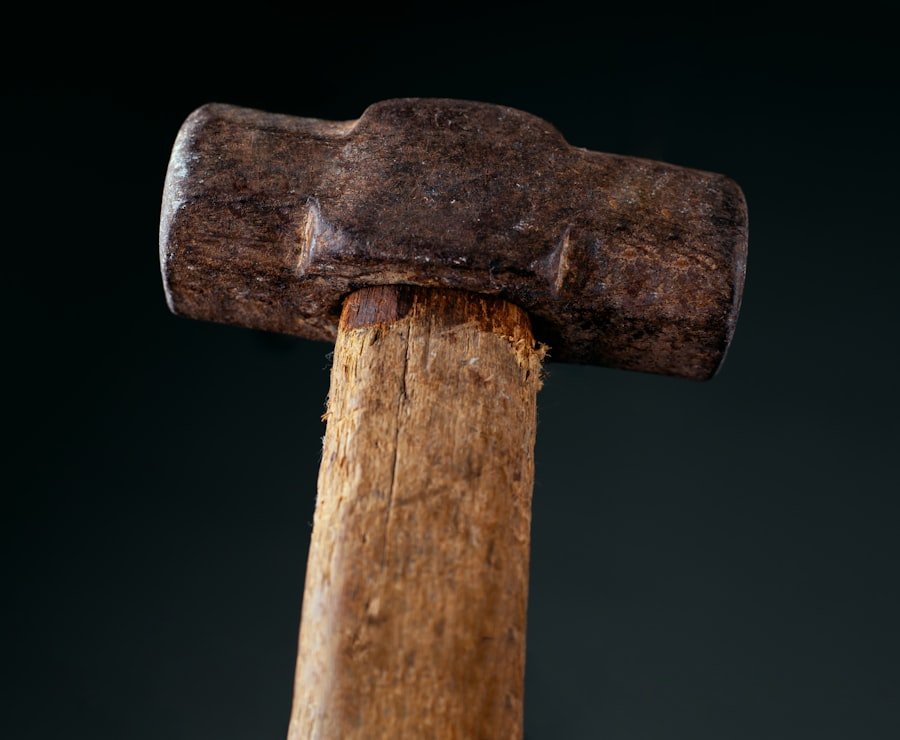
Thor wasn’t the only one with a hammer
Ergi is a term that encapsulates a complex set of ideas within Viking culture, often associated with notions of masculinity and honor. It refers to behaviors or characteristics deemed unmanly or shameful, particularly in relation to sexual conduct. The concept serves as a lens through which we can examine the rigid gender norms that governed Viking society.
While it may seem like a straightforward notion of masculinity, ergi reveals deeper layers of social dynamics and power structures. Interestingly, ergi also opens up discussions about fluidity in gender roles and sexual orientation among Vikings. The stigma attached to ergi suggests that there were expectations for men to conform to specific ideals of masculinity, yet historical accounts hint at a more complex reality.
Some sagas depict male characters engaging in relationships with other men without facing outright condemnation, suggesting that while societal norms existed, they were not universally enforced. This duality invites us to reconsider how we view masculinity in historical contexts and encourages a broader understanding of identity in Viking culture.
LGBTQ+ Representation in Viking History
The exploration of LGBTQ+ representation within Viking history is an area ripe for discovery. While traditional narratives have often overlooked or misrepresented non-heteronormative relationships, recent scholarship is beginning to shed light on the diverse sexualities that existed during this time. Sagas and historical texts contain hints of same-sex relationships and gender nonconformity, suggesting that Vikings had a more nuanced understanding of sexuality than previously thought.
For instance, some sagas feature male characters who engage in romantic or sexual relationships with other men without facing severe repercussions. These narratives challenge the binary view of sexuality and highlight the possibility of fluid identities within Viking society. Additionally, archaeological findings have revealed burial practices that suggest gender fluidity, such as grave goods typically associated with both men and women being found together.
By acknowledging these aspects of Viking life, we can begin to paint a more inclusive picture that honors the experiences of LGBTQ+ individuals in history.
Challenging Traditional Narratives: Reinterpreting Viking Artifacts and Art
The reinterpretation of Viking artifacts and art is crucial for challenging traditional narratives that have long dominated our understanding of this fascinating culture. For years, artifacts were often viewed through a narrow lens focused primarily on warfare and conquest. However, recent scholarship encourages us to look beyond these simplistic interpretations and consider the broader cultural significance of these objects.
Take, for example, intricate jewelry or textiles found at archaeological sites. These items tell stories not only about craftsmanship but also about trade networks, social status, and even personal identity. By examining these artifacts through various lenses—such as gender studies or cultural anthropology—we can uncover layers of meaning that reveal much about daily life in Viking society.
This shift in perspective allows us to appreciate the artistry and creativity inherent in Viking culture while also recognizing the diverse experiences of those who lived during this time.
Uncovering the Stories of Female and LGBTQ+ Vikings
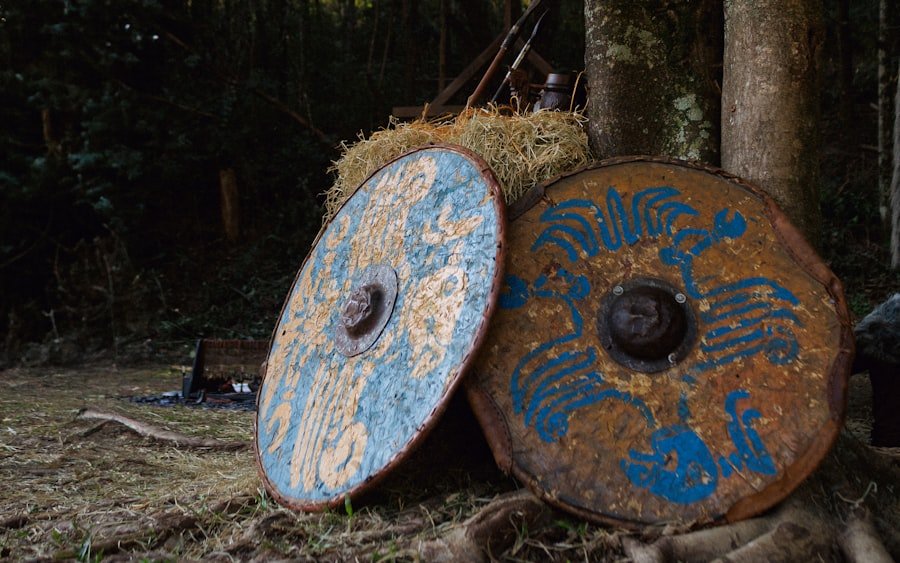
Yes, they did exist
As we strive to uncover the stories of female and LGBTQ+ Vikings, we must confront the limitations of historical records that often prioritize male narratives. We might never know the full story of women, minorities and LGTBQ+ people in history. However, through careful analysis of sagas, archaeological evidence, and contemporary scholarship, we can begin to piece together a more comprehensive picture of these individuals’ lives. Women like the Volva played pivotal roles in their communities, while LGBTQ+ individuals navigated a complex social landscape that allowed for varying degrees of acceptance.
One particularly compelling example is the story of Freydis Eiríksdóttir, a fierce warrior who defied gender norms by leading expeditions alongside her male counterparts. Her tale challenges traditional notions of femininity in Viking culture and highlights the agency women could wield despite societal constraints. Similarly, exploring figures like Egil Skallagrimsson reveals how male characters sometimes engaged in relationships with other men without facing dire consequences.
These narratives remind us that history is not a monolith; it is filled with diverse voices waiting to be heard.
The Impact of Reclaiming History: How Denmark’s National Museum is Changing the Narrative
The National Museum’s commitment to reclaiming history has far-reaching implications for how we understand our past. By prioritizing inclusivity and diversity in its exhibitions, the museum is not only reshaping perceptions of Viking culture but also encouraging visitors to engage with history on a personal level. This approach fosters a sense of belonging for individuals who may have felt marginalized by traditional narratives.
Moreover, this shift has sparked conversations beyond museum walls. Schools and educational institutions are beginning to incorporate these new perspectives into their curricula, allowing younger generations to grow up with a more nuanced understanding of history. As we challenge outdated narratives and embrace inclusivity, we pave the way for future scholars and enthusiasts to explore history through diverse lenses—ultimately enriching our collective understanding.
The Importance of Inclusivity in Historical Interpretation
Inclusivity in historical interpretation is not merely an academic exercise; it has profound implications for how we view ourselves and our societies today. By acknowledging the contributions of women and LGBTQ+ individuals throughout history, we create space for diverse identities within our collective narrative. This inclusivity fosters empathy and understanding among different communities while challenging stereotypes that persist in contemporary discourse.
Furthermore, embracing inclusivity allows us to confront uncomfortable truths about our pasts—truths that may have been obscured or ignored for too long. As we strive for a more equitable representation of history, we empower individuals from all backgrounds to see themselves reflected in our shared stories. In doing so, we not only honor those who came before us but also inspire future generations to continue exploring the rich tapestry of human experience.
In conclusion, the National Museum’s innovative approach to Viking history serves as a powerful reminder that our understanding of the past is always evolving. By embracing inclusivity and challenging traditional narratives, we can uncover the rich complexities of Viking society—one that was shaped by diverse voices and experiences.
As we continue this journey together, let us celebrate the stories that have long been silenced and ensure they are woven into the fabric of our shared history for generations to come.