Two men, two occupied countries, one truth: queer resistance is not a modern invention. It has always been part of the human fight for dignity and freedom, and it matters today.
Pierre Seel: The Survivor Who Broke the Silence
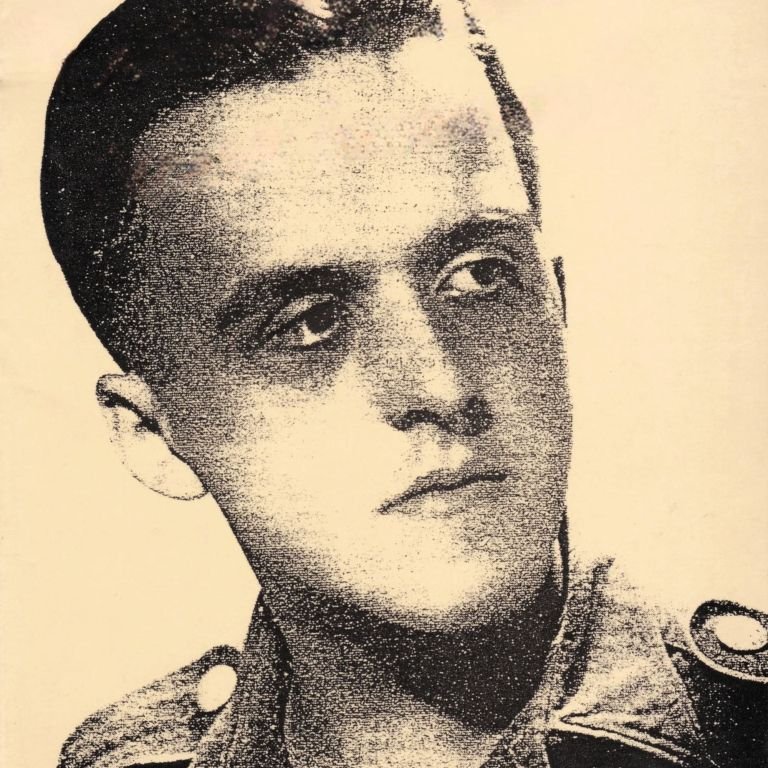
Pierre Seel
Pierre Seel was born in 1923 in Haguenau, Alsace, a border region that shifted between France and Germany. As a teenager in Mulhouse, he frequented a local park known as a meeting place for gay men. When he reported a stolen watch to the police, they quietly recorded his name in a “homosexuals list.”
When the Nazis took control of Alsace, that list sealed his fate. In 1941, Seel was arrested by the Gestapo, beaten, and imprisoned at Schirmeck-Vorbruck camp. His lover, Jo, only 18, was executed before his eyes—ripped apart by dogs as a form of punishment.
Seel was later forced into the German army. After the war, he returned home, married, and tried to bury the past. For decades, the world didn’t want to hear his story. Homosexuals deported by the Nazis were not recognized as victims.
In 1982, Seel broke his silence. His book I, Pierre Seel, Deported Homosexual shattered France’s denial about gay persecution. He spoke openly of the trauma, the shame imposed by others, and the long shadow of silence. Until his death in 2005, he fought to have gay victims of Nazism officially recognized.
Why Seel matters:
He was the first Frenchman to publicly testify about being deported for homosexuality. His courage forced France, and Europe, to confront an erased part of Holocaust history. Every time he spoke, he reclaimed a truth that both Nazis and postwar governments tried to erase: that queerness was targeted, punished, and yet survived.
Willem Arondéus: The Artist Who Fought with Fire
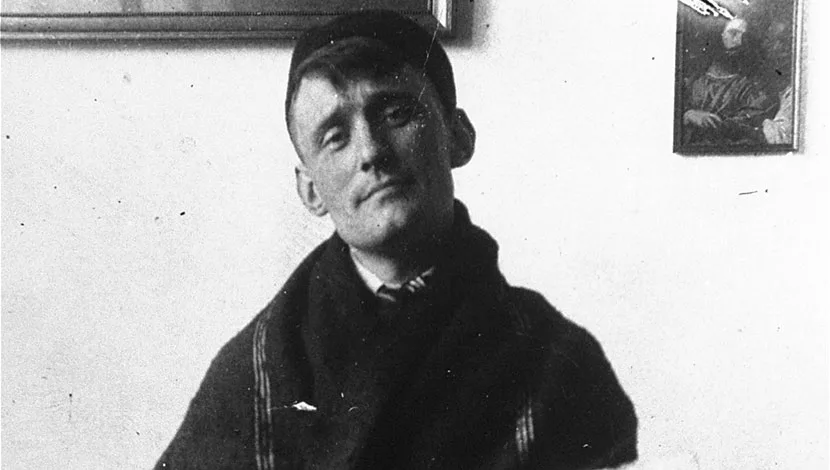
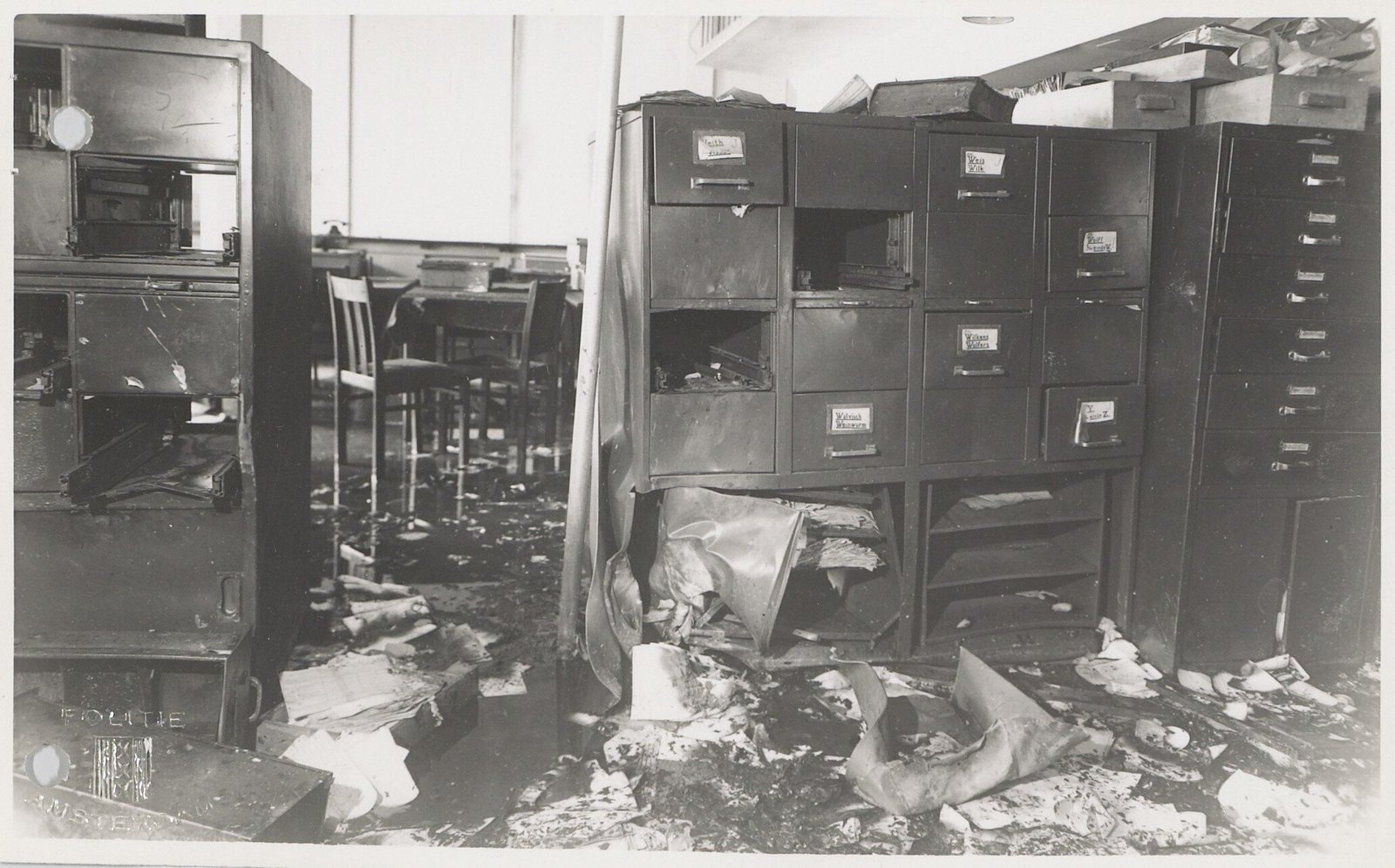
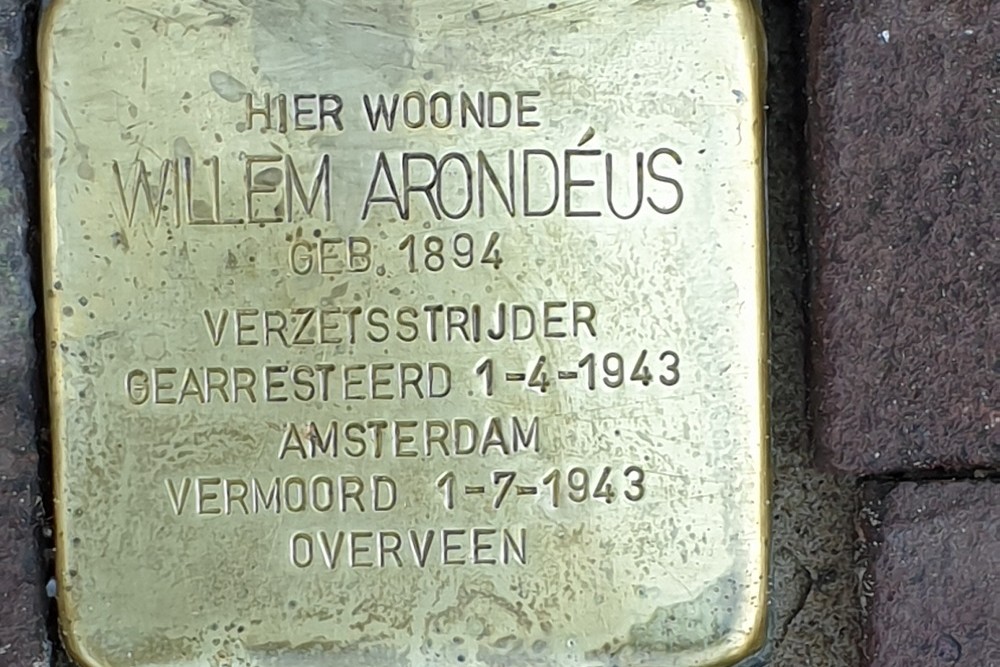
Willem Arondéus, destroyed files of the names of jews and homosexuals, and Amsterdam memorial remembering date of arrest and murder
Willem Arondéus, born in 1894 in Naarden, the Netherlands, was an artist, writer, and openly gay man in a hostile world. When Germany invaded, he refused to hide who he was or what he believed.
By 1943, Arondéus had become a key figure in the Dutch resistance. His group planned a daring attack on the Amsterdam Population Registry—the Nazi’s tool for tracking Jews and “undesirables.” They destroyed thousands of files, saving countless lives.
Betrayed and captured, Arondéus was executed at 48. Before facing the firing squad, he said: “Let it be known that homosexuals are not cowards.”
His words became one of the most powerful declarations in queer history, a message to generations erased from resistance stories.
Today, Arondéus is honored by the Netherlands and Yad Vashem as Righteous Among the Nations. Streets in Amsterdam bear his name. But few outside the Netherlands know him.
Why Their Stories Matter Now
In an era where LGBTQ+ rights are again under attack, Seel and Arondéus remind us of a basic truth: queer survival is resistance.
They matter because the historical narrative of World War II—like much of world history—was written by and for heterosexual men. For decades, textbooks celebrated the Resistance while excluding the queer people who risked everything. The gay victims of Nazi persecution were denied reparations and often re-criminalized after liberation.
To regain control of the gay narrative means reclaiming our place in every part of history—not as victims only, but as actors, thinkers, and fighters.
Their stories also challenge stereotypes. Arondéus was an artist, yet a saboteur. Seel was a victim, yet an unflinching witness. Together they expose the lie that queerness is weakness. They remind us that being gay has never been incompatible with courage, moral clarity, or sacrifice.
In a time when authoritarianism and hate speech are again gaining ground, remembering them isn’t nostalgia—it’s strategy. History is political terrain. Whoever tells it controls who belongs.
The Unfinished Work
Both men fought erasure. One through public memory, one through literal fire. Their legacy asks something of us: to keep speaking, writing, and naming queer courage in every generation, and resist the forces that would push us all back to darker times.