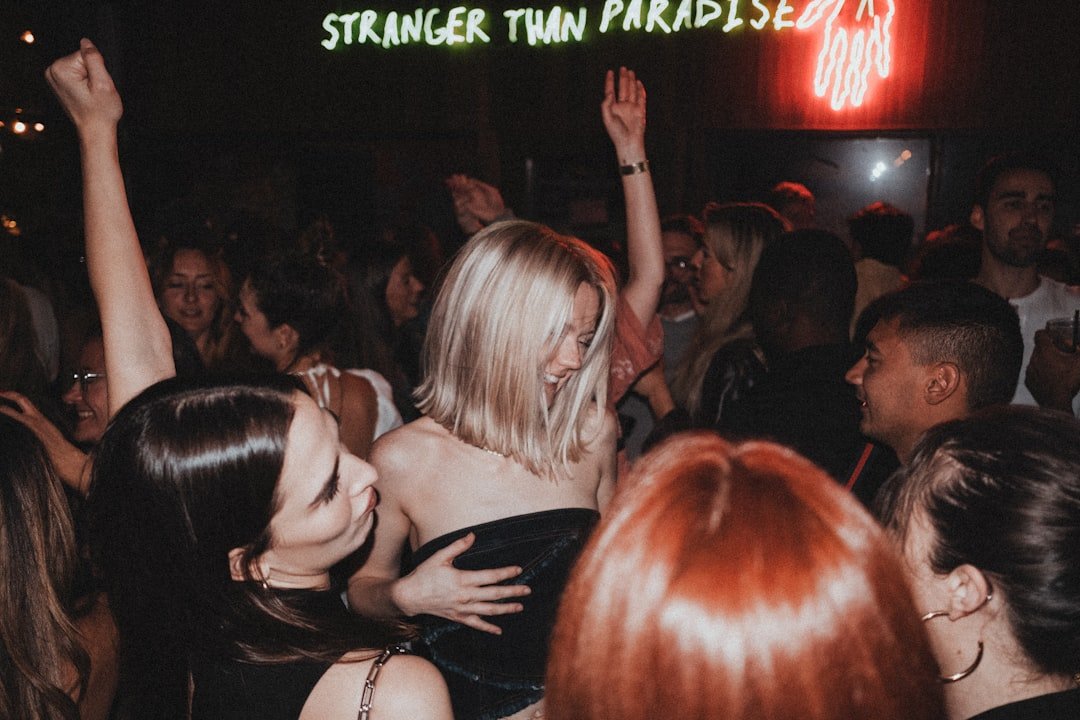
Lesbian bars have long served as vital sanctuaries within the LGBTQ+ community, acting as both social hubs and cultural landmarks. Historically, these establishments provided a rare space where women could express their identities freely, away from the prying eyes of a society that often marginalized them. In the mid-20th century, when homosexuality was criminalized and stigmatized, lesbian bars (identifying as female, gender neutral or lesbian only) became essential meeting points for women seeking connection, camaraderie, and a sense of belonging.
They were places where laughter echoed, stories were shared, and love blossomed, often in defiance of societal norms.
The significance of these bars extends beyond mere social interaction; they have been instrumental in shaping the broader LGBTQ+ rights movement.
Many pivotal moments in history, such as the Stonewall Riots, were fueled by the collective energy found in these spaces.
Women gathered in bars not only to dance and socialize but also to strategize and organize for their rights. The bars became breeding grounds for activism, where ideas were exchanged and alliances formed. They played a crucial role in fostering a sense of community that empowered women to challenge the status quo and advocate for equality.
The Decline of Lesbian Bars and its Impact on the Community (US)
| Bar Name | City | State |
|---|---|---|
| A League of Her Own | Washington | DC |
| Arcana Bar and Lounge | Durham | NC |
| As You Are | Washington | DC |
| Babes of Carytown | Richmond | VA |
| The Backdoor | Bloomington | IN |
| Boycott Bar | Phoenix | AZ |
| Boyfriend | Chicago | IL |
| The Bush | Brooklyn | NY |
| Cubbyhole | New York | NY |
| Dani’s Queer Bar | Los Angeles | CA |
| Doc Marie’s | Portland | OR |
| Dorothy | Kansas City | MO |
| Femme | San Diego | CA |
| Frankie’s | Oklahoma City | OK |
| Ginger’s | Brooklyn | NY |
| Gossip Grill | San Diego | CA |
| Home Base Tavern | St. Louis | MO |
| Henrietta Hudson | New York | NY |
| Honey’s | Los Angeles | CA |
| Jolene’s | San Francisco | CA |
| Last Ditch | Seattle | WA |
| The Lipstick Lounge | Nashville | TN |
| Mother | San Francisco | CA |
| My Sister’s Room | Atlanta | GA |
| Nobody’s Darling | Chicago | IL |
| The Pearl | San Francisco | CA |
| Pearl Bar | Houston | TX |
| The Ruby Fruit | Los Angeles | CA |
| Scarlet Fox Wine Bar | Detroit | MI |
| Slammers | Columbus | OH |
| The Sports Bra | Portland | OR |
| Sue Ellen’s | Dallas | TX |
| Unicorn Bar | Seattle | WA |
| Walker’s Pint | Milwaukee | WI |
| Water Bear Bar | Minneapolis | MN |
| WildRose | Seattle | WA |
| Wild Side West | San Francisco | CA |
| Yellow Brick Road Pub | Tulsa | OK |
In recent years, the decline of lesbian bars has become a troubling trend, reflecting broader changes in societal attitudes and the LGBTQ+ landscape. Many of these establishments have shuttered their doors, unable to compete with the rise of more inclusive venues that cater to a wider audience. While this shift may seem progressive on the surface, it has inadvertently marginalized lesbian voices and experiences within the LGBTQ+ community.
The loss of dedicated spaces means fewer opportunities for women to connect with one another, share their stories, and celebrate their identities. The impact of this decline is profound. Without lesbian bars, many women find themselves navigating a landscape that can feel alienating and unwelcoming.
The absence of these spaces has led to a fragmentation of community, where connections that once flourished in the warmth of a bar’s embrace are now harder to forge. This loss is not merely about physical spaces; it represents a cultural shift that risks erasing the unique experiences and histories of lesbian women. As we witness this decline, it becomes increasingly clear that the need for dedicated spaces is more pressing than ever.
The Importance of Safe Spaces for the Lesbian Community
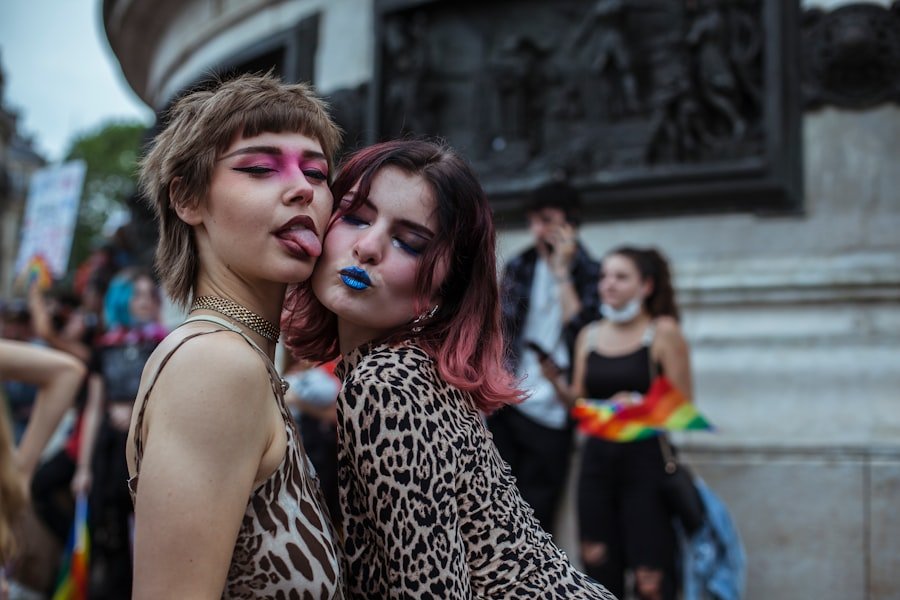
Female identifying and gender-safe spaces are crucial to identity
Safe spaces are essential for fostering a sense of belonging and security within any community, but they hold particular significance for marginalized groups like lesbians. These spaces allow individuals to express themselves authentically without fear of judgment or discrimination. In a world that often imposes rigid norms around gender and sexuality, lesbian bars have historically provided an oasis where women can explore their identities freely.
They serve as platforms for self-expression, creativity, and solidarity. Moreover, safe spaces play a crucial role in mental health and well-being. For many lesbians, finding acceptance within their own communities can be a challenging journey.
Bars that cater specifically to women create environments where individuals can share their struggles and triumphs with others who understand their experiences. This sense of camaraderie can be incredibly healing, offering support during times of personal crisis or societal upheaval. In essence, these spaces are not merely about socializing; they are about building resilience and fostering a sense of community that uplifts and empowers.
The Need for Inclusive and Diverse Lesbian Bars
As we look toward the future of lesbian bars, it is essential to recognize the importance of inclusivity and diversity within these spaces. The LGBTQ+ community is not monolithic; it encompasses a rich tapestry of identities, experiences, and backgrounds. Bars that cater exclusively to one demographic risk alienating others who may not see themselves represented within those walls.
To truly serve the needs of the community, lesbian bars must embrace intersectionality and create environments that welcome all women—regardless of race, ethnicity, age, or socioeconomic status. Diverse lesbian bars can become vibrant cultural hubs that celebrate the richness of different identities while fostering understanding and solidarity among various groups. By hosting events that highlight the contributions of women from diverse backgrounds—such as art shows, spoken word nights, or cultural celebrations—these establishments can cultivate an atmosphere of inclusivity that resonates with a broader audience.
This approach not only enriches the bar’s offerings but also strengthens the community as a whole by promoting dialogue and connection among women from different walks of life.
Reviving Lesbian Bars: Challenges and Opportunities
Reviving lesbian bars presents both challenges and opportunities for those invested in preserving these vital spaces. One significant hurdle is financial sustainability; many bars struggle to remain profitable in an increasingly competitive market. The rise of social media and online platforms has changed how people socialize, leading to a decline in foot traffic for traditional establishments.
However, this challenge also presents an opportunity for innovation. Bar owners can leverage technology to create engaging online communities that complement their physical spaces, drawing in patrons who may not have otherwise visited. Another challenge lies in reimagining what a lesbian bar can be in today’s society.
The traditional model may no longer resonate with younger generations who seek more diverse and inclusive environments. To attract new patrons, bar owners must be willing to adapt their offerings—whether through themed nights that celebrate various aspects of queer culture or partnerships with local organizations that promote social justice initiatives. By embracing change while honoring the rich history of lesbian bars, owners can create spaces that feel relevant and inviting to all.
The Intersectionality of Lesbian Bars and Social Justice

The need for bar that identify as lesbian-friendly has never been greater
Lesbian bars exist at the intersection of social justice and community building, making them crucial players in the fight for equality. These spaces have historically provided refuge for marginalized voices within the LGBTQ+ community, allowing women to gather and strategize around issues that affect them directly. As we navigate an increasingly complex social landscape marked by systemic inequalities, it is essential for lesbian bars to continue serving as platforms for activism and advocacy.
By aligning themselves with broader social justice movements—such as those addressing racial inequality, economic disparity, or gender-based violence—lesbian bars can amplify their impact within the community. Hosting events that raise awareness about these issues or partnering with local organizations can help foster a sense of solidarity among patrons while reinforcing the idea that social change is a collective effort. In this way, lesbian bars can evolve from mere social venues into powerful catalysts for change.
Supporting and Sustaining Lesbian Bars in Today’s Society
Supporting lesbian bars requires a concerted effort from both patrons and allies within the community. Regular patronage is essential; when people choose to spend their time and money at these establishments, they contribute directly to their survival. Additionally, spreading the word about upcoming events or initiatives can help draw in new customers who may not have previously considered visiting a lesbian bar.
Word-of-mouth marketing remains one of the most effective tools for small businesses looking to thrive.
Moreover, allies play a crucial role in sustaining these spaces by advocating for their importance within the broader LGBTQ+ community.
This support can take many forms—from attending events to promoting them on social media or even volunteering time to help with operations.
By actively engaging with lesbian bars and amplifying their voices, allies can help ensure that these vital spaces continue to exist for future generations.
The Future of Lesbian Bars: Reimagining their Role in the LGBTQ+ Community
As we look ahead to the future of lesbian bars, it is clear that reimagining their role within the LGBTQ+ community will be essential for their survival. These spaces must evolve to meet the changing needs of patrons while remaining true to their roots as safe havens for women seeking connection and empowerment. This evolution may involve embracing new technologies or formats—such as pop-up events or hybrid models that combine online engagement with in-person experiences.
Ultimately, the future of lesbian bars lies in their ability to adapt while honoring their rich history as cultural touchstones within the LGBTQ+ community. By fostering inclusivity, supporting social justice initiatives, and creating vibrant environments that celebrate diversity, these establishments can continue to thrive as essential spaces for connection and empowerment. As we navigate an ever-changing world, let us remember the importance of preserving these vital havens where love knows no bounds and community flourishes against all odds.