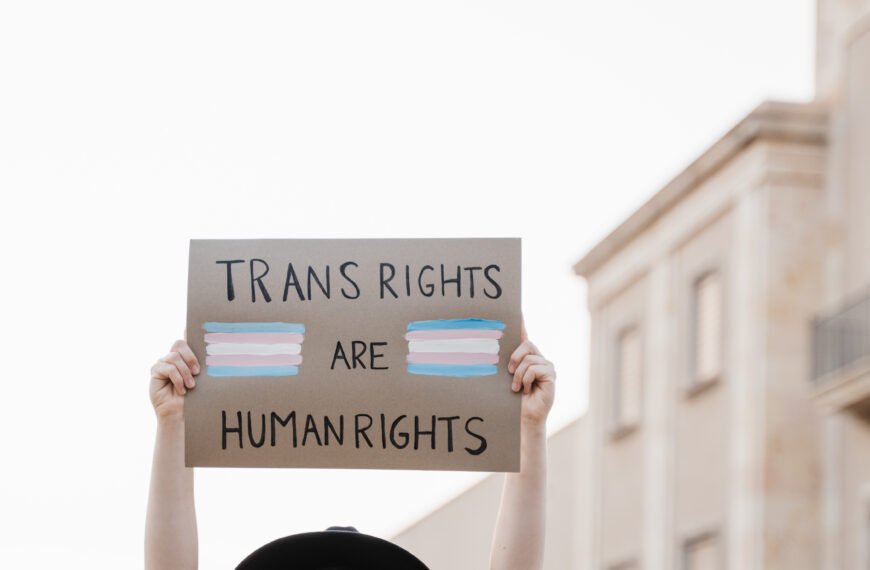
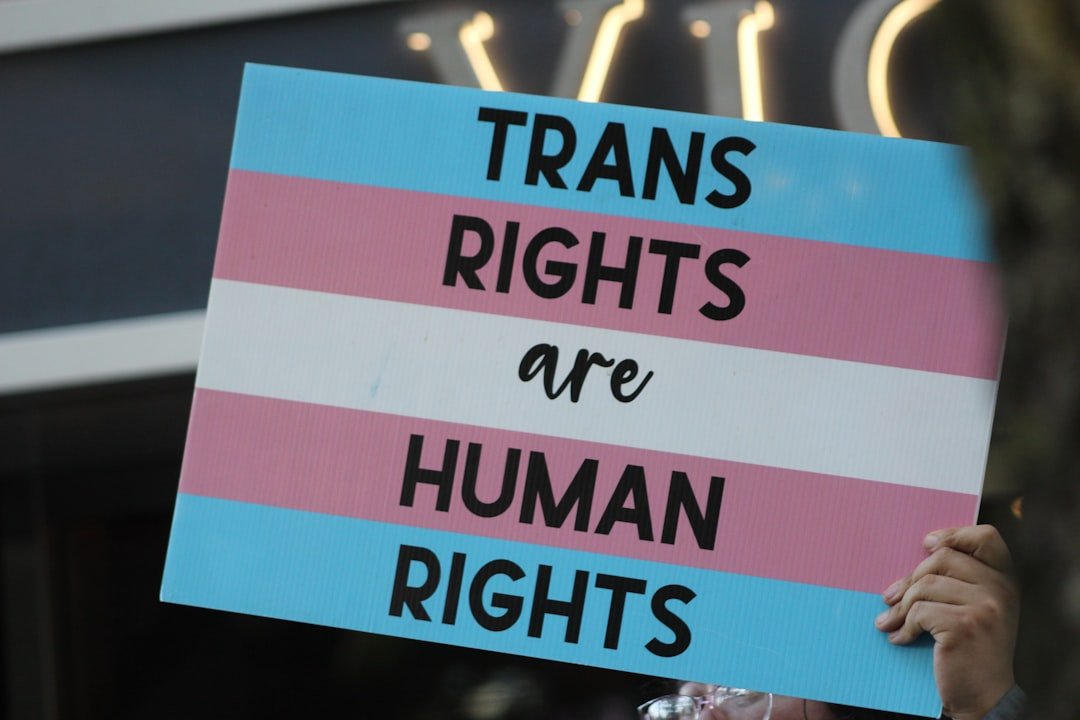
In recent years, anti-trans rhetoric has emerged as a prominent and troubling aspect of public discourse.
The language used in these discussions can be inflammatory, dehumanizing, and often rooted in misinformation.
It’s not merely a matter of opinion; it’s a concerted effort to shape societal norms and policies in ways that marginalize a vulnerable population. The implications of this rhetoric extend far beyond mere words; they influence legislation, public perception, and the lived experiences of countless individuals. Understanding the origins and motivations behind anti-trans rhetoric is crucial for anyone who wishes to engage in meaningful dialogue about gender identity and rights.
Often, this rhetoric is fueled by a combination of fear, misunderstanding, and a desire to maintain traditional gender norms. It can be tempting to dismiss these views as fringe or extreme, but they have gained traction in various political and social arenas. As we explore the impact of this rhetoric, it becomes clear that it is not just an abstract issue; it affects real lives and shapes the future of gender inclusivity in society.
The Impact of Anti-Trans Rhetoric on Transgender Individuals
The consequences of anti-trans rhetoric are profound and far-reaching. For many transgender individuals, exposure to negative narratives can lead to feelings of isolation, anxiety, and depression. The constant barrage of derogatory language and harmful stereotypes can chip away at one’s sense of self-worth and belonging.
Imagine waking up every day in a world that seems to question your very existence; that’s the reality for many trans people who navigate a landscape littered with hostility and misunderstanding. The psychological toll is significant, often leading to higher rates of mental health issues among transgender individuals compared to their cisgender counterparts. Moreover, anti-trans rhetoric doesn’t merely exist in a vacuum; it has tangible effects on policies that govern healthcare, education, and employment.
When lawmakers adopt anti-trans language, it can lead to legislation that restricts access to necessary medical care or denies the right to use facilities that align with one’s gender identity. This creates an environment where trans individuals are not only marginalized but also actively discriminated against by systems that should protect them. The ripple effects can be devastating, impacting everything from job security to personal safety.
The Spread of Anti-Trans Rhetoric in Different Regions
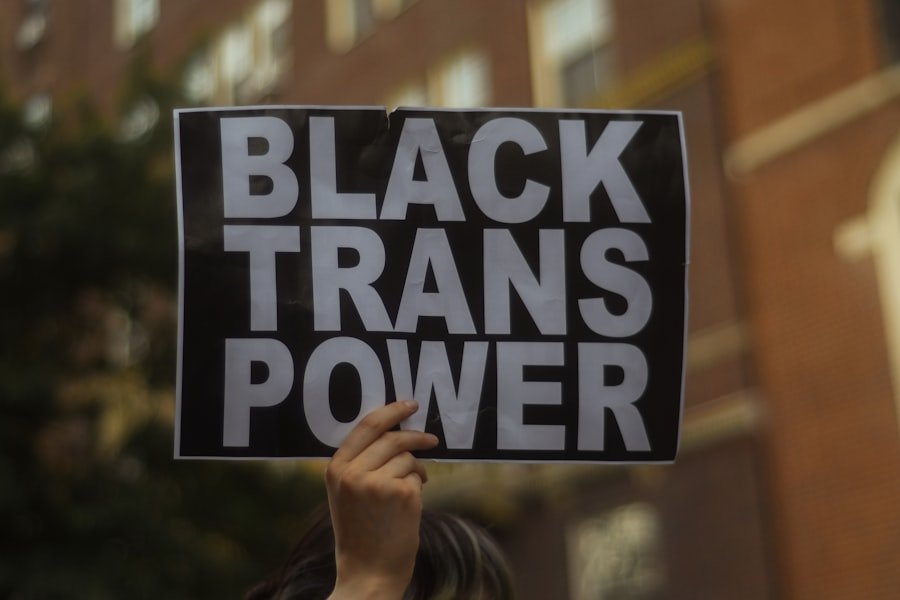
The spread of anti-trans rhetoric varies significantly across different regions, influenced by cultural, political, and social factors. In some areas, particularly where conservative ideologies dominate, anti-trans narratives have gained a foothold in mainstream politics. For instance, certain states in the U.S.
have seen a surge in legislation aimed at restricting transgender rights, often framed as protecting “traditional values.” This has created a hostile environment for trans individuals, who may find themselves fighting not only for acceptance but for basic rights.
In these areas, anti-trans rhetoric is often met with strong pushback from advocacy groups and allies who work tirelessly to counteract harmful narratives.
However, even in more accepting regions, the influence of national discourse can seep in, creating pockets of resistance that challenge the progress made. This patchwork landscape highlights the importance of localized efforts to combat anti-trans rhetoric while fostering understanding and acceptance.
Key Players and Organizations Funding Anti-Trans Rhetoric
Behind the scenes of anti-trans rhetoric lies a network of organizations and individuals who actively fund and promote these narratives. Some well-known conservative think tanks have made it their mission to influence public opinion against transgender rights through research that often lacks scientific rigor. These organizations frequently produce misleading studies or reports that paint transgender identities as harmful or unnatural, feeding into existing fears and prejudices.
Additionally, certain political figures have leveraged anti-trans rhetoric as a rallying cry for their base, using it as a tool to galvanize support during elections. This creates a feedback loop where funding flows into campaigns that promote anti-trans messages, further entrenching these views in public discourse. Understanding the financial backing behind these movements is crucial for those who wish to challenge them effectively.
By exposing the sources of funding and the motivations behind these organizations, advocates can better strategize their efforts to counteract harmful narratives.
The Role of Social Media in Amplifying Anti-Trans Rhetoric
Social media has become a double-edged sword in the fight against anti-trans rhetoric. On one hand, platforms like Twitter and Facebook provide a space for marginalized voices to share their experiences and advocate for change. On the other hand, these same platforms can amplify harmful messages at an alarming rate.
Misinformation spreads quickly online, often outpacing efforts to correct it. A single viral post can reach thousands or even millions of people within hours, shaping public perception before accurate information has a chance to catch up. The algorithms that govern social media platforms often prioritize engagement over accuracy, meaning that sensationalist or inflammatory content tends to gain more visibility than nuanced discussions about gender identity.
This creates an environment where anti-trans rhetoric can thrive unchecked, leading to real-world consequences for those targeted by such narratives. Activists are increasingly aware of this dynamic and are working to develop strategies for countering misinformation online while promoting positive representations of transgender individuals.
The Intersection of Anti-Trans Rhetoric with Other Forms of Discrimination
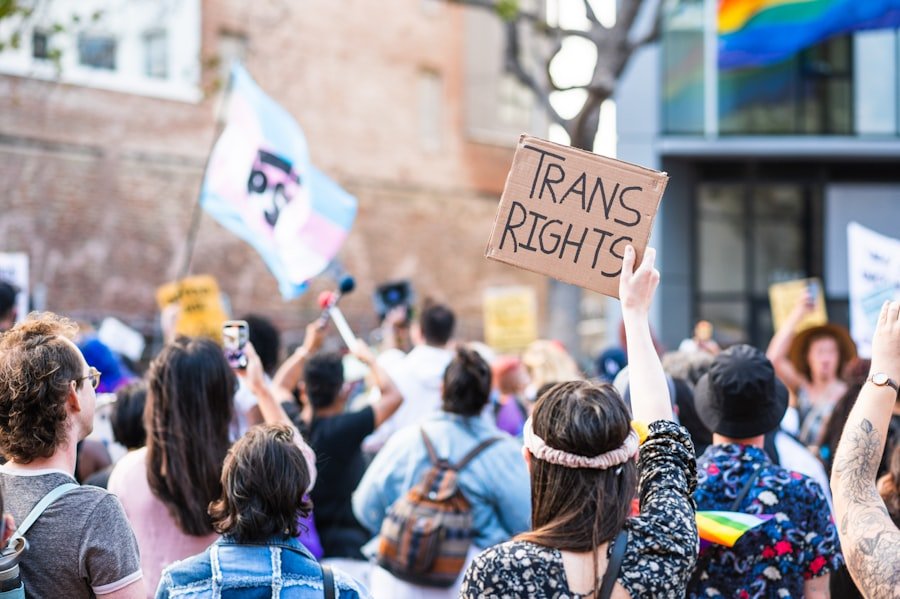
Anti-trans rhetoric does not exist in isolation; it intersects with various other forms of discrimination, including racism, sexism, and homophobia. This intersectionality complicates the fight against anti-trans narratives because it highlights how different forms of oppression can reinforce one another. For example, trans people of color often face compounded discrimination that makes them particularly vulnerable to violence and marginalization.
When anti-trans rhetoric is laced with racist undertones, it further alienates those who are already at risk. Understanding these intersections is vital for creating effective advocacy strategies. It’s not enough to address anti-trans rhetoric in a vacuum; advocates must also consider how other forms of discrimination play into these narratives.
By fostering coalitions among various marginalized groups, activists can create a more unified front against all forms of oppression. This approach not only strengthens the fight against anti-trans rhetoric but also promotes broader social justice initiatives.
Strategies for Countering Anti-Trans Rhetoric and Its Funders
Countering anti-trans rhetoric requires a multifaceted approach that combines education, advocacy, and community engagement. One effective strategy is to promote accurate information about transgender identities through workshops, seminars, and online resources. By equipping individuals with facts about gender diversity and the experiences of transgender people, advocates can help dispel myths and reduce stigma.
Education is a powerful tool; when people understand the realities faced by trans individuals, they are less likely to fall prey to harmful narratives. Additionally, advocacy efforts should focus on holding organizations and individuals accountable for spreading anti-trans rhetoric. This includes challenging misleading claims made by politicians or think tanks through public campaigns that highlight the truth behind their statements.
Grassroots movements can also play a crucial role by mobilizing communities to support pro-trans legislation and initiatives while pushing back against harmful policies. By creating a culture of support and understanding, advocates can help shift public perception over time.
The Importance of Challenging Anti-Trans Rhetoric
Challenging anti-trans rhetoric is not merely an act of kindness; it is essential for fostering an inclusive society where all individuals can thrive regardless of their gender identity. The stakes are high; lives are affected by the narratives we choose to accept or reject. By confronting harmful language and advocating for accurate representations of transgender experiences, we take significant steps toward dismantling systemic discrimination.
As we move forward, it’s crucial for allies to stand alongside transgender individuals in this fight. Whether through education, advocacy, or simply listening to trans voices, every action counts in creating a more equitable world. The journey may be long and fraught with challenges, but the importance of challenging anti-trans rhetoric cannot be overstated—it is a fight for dignity, respect, and the right to exist authentically in our society.