After landmark wins in marriage and military service, queer rights have stalled and in some places rolled back. To put it buntly, the next phase must move from symbolic inclusion to material safety, healthcare access, and global solidarity.
Legal Progress, Social Fragility
Legal equality was once the dream. When same-sex marriage became law in countries like the United States, the Netherlands, and Canada, it marked a moment of celebration. The repeal of bans on open military service followed.
But progress on paper can conceal social fragility. The ACLU’s legislative tracker reports hundreds of anti-LGBTQ+ bills proposed across U.S. states since 2022. In parts of Europe, far-right governments frame queer inclusion as a “Western threat.”
According to the ILGA-Europe Rainbow Index, the continent’s overall equality score fell in 2024 for the first time in a decade. The symbolism of equality remains strong, but the systems that guarantee dignity are still brittle.

Trans Rights at the Fault Line
Where same-sex marriage normalized love, trans visibility unsettled old narratives. Pew Research Center finds broad acceptance of gay and lesbian relationships, but far less for gender diversity.
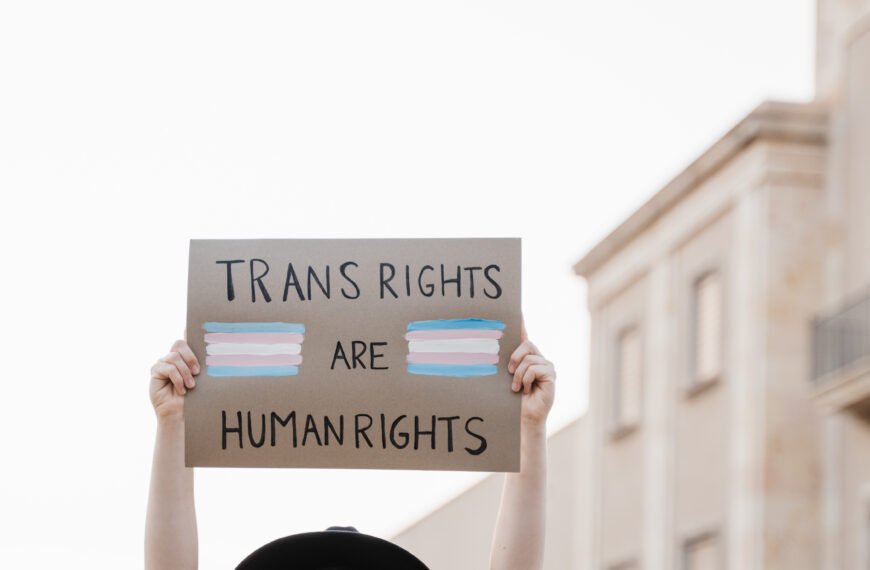
This divide shapes modern backlash. Politicians now focus attacks on gender-affirming healthcare, especially for youth. In the U.S., at least 25 states have passed such bans since 2021. In the UK and parts of Scandinavia, access to care is tightening under “review” or “safety” language.
As sociologist Dean Spade notes in Normal Life, inclusion models that worked for marriage fail when identity itself is under scrutiny. Equality for trans people requires not only law but recognition of bodily autonomy as a human right.
Inequality Inside the Community
Marriage rights do not pay rent. A growing body of research shows queer people remain economically vulnerable. The Williams Institute reports LGBTQ+ adults in the U.S. experience poverty at higher rates than heterosexual peers.
Transgender people and queer youth are most affected. Roughly 30% of LGBTQ+ youth report homelessness or housing insecurity, according to Trevor Project data. Economic exclusion mirrors limited access to healthcare, mental health support, and legal recourse.
If the last frontier was symbolic inclusion, the next must be material justice—housing, healthcare, and financial safety nets that reach the entire community.
A Global View of Double Standards
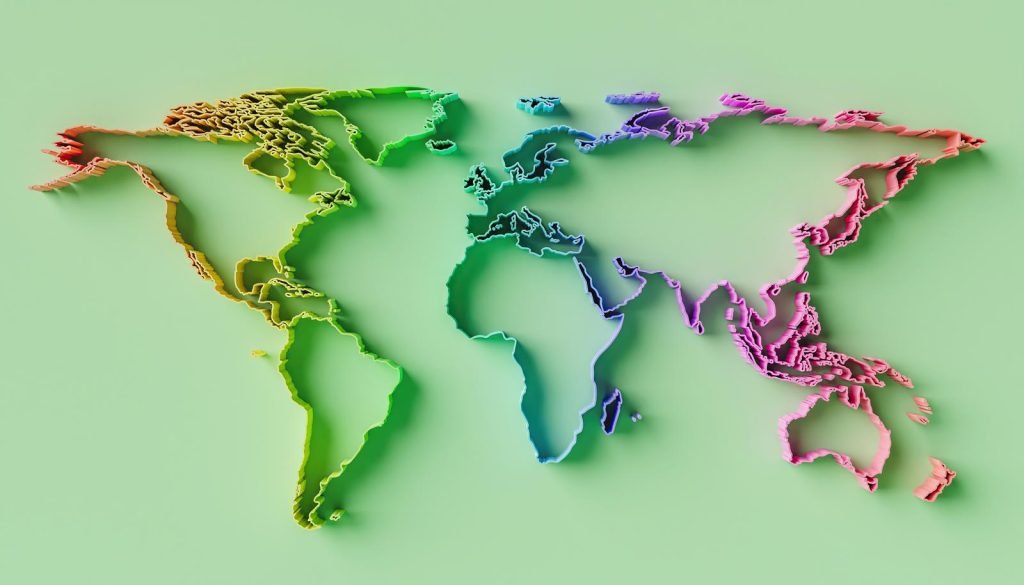
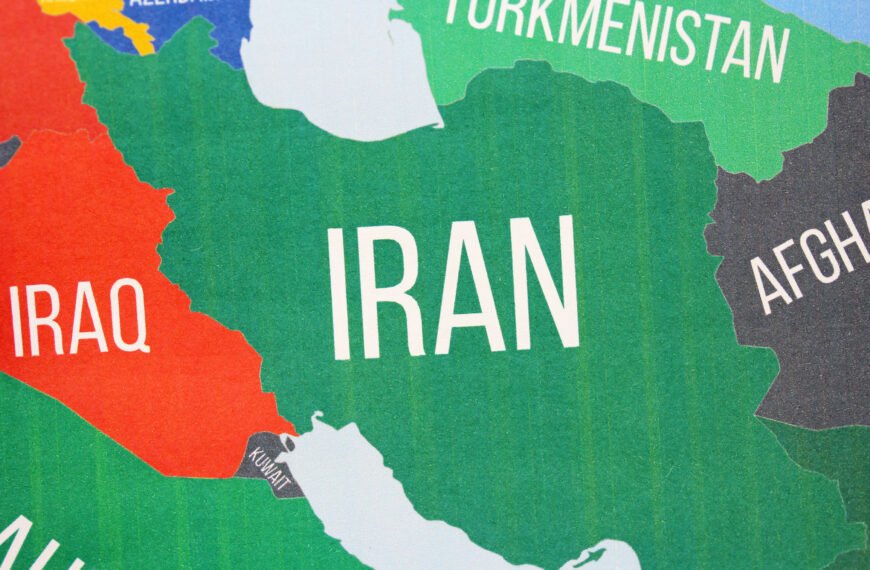
More than 60 countries still criminalize same-sex relations, according to Human Rights Watch and ILGA World. In some nations, laws carry death penalties.
Western democracies celebrate equality at home while striking alliances with regimes that persecute queer citizens. The UNHCR warns that LGBTQ+ asylum seekers often face violence in refugee camps and long delays in resettlement.
True global solidarity means consistent advocacy: tying aid, trade, and diplomatic relations to basic human rights standards.
From Inclusion to Liberation
The next phase of queer rights must focus on liberation, not merely participation. Policy should center the most vulnerable, not the most visible. That means:
- Protecting gender-affirming care in law.
- Funding housing and anti-poverty programs for queer youth and elders.
- Expanding asylum and refugee protections.
- Integrating LGBTQ+ histories in education.
- Defending queer expression in arts and media.
The Work Ahead
Backlash signals movement, not failure. Every expansion of visibility triggers a test of endurance. To move forward, the queer rights movement must root itself in tangible policy, economic equity, and international solidarity.
Equality was the starting line, not the finish. Liberation is the destination.