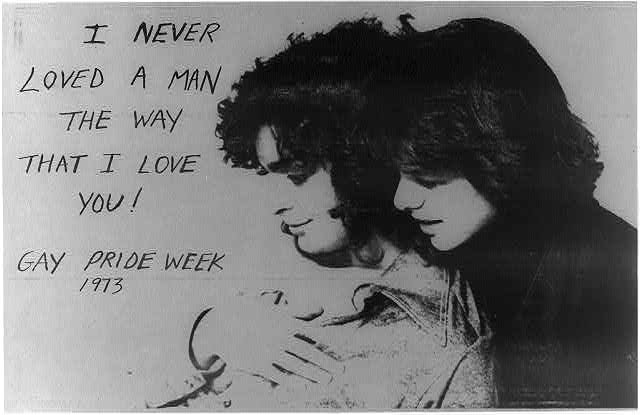

History is a tapestry woven with the threads of countless lives, each contributing to the grand narrative of humanity. Among these threads, the stories of gay trailblazers stand out, vibrant and usually unapologetic, challenging norms and reshaping society. These individuals have not only fought for their own rights but have also paved the way for future generations, leaving an indelible mark on various fields, from politics to the arts.
Their journeys are often fraught with struggle, yet they shine as beacons of hope and resilience. In this time of what feels like going backwards for many, it may help to find strength in others who went before us. The contributions of gay trailblazers extend far beyond their personal achievements; they have sparked movements, inspired change, and fostered a sense of community among those who have felt marginalized.
Their stories remind us that the quest for acceptance and understanding is not merely a modern phenomenon but a historical struggle that has shaped societies across the globe.
By exploring their legacies, we not only honor their sacrifices but also recognize the ongoing challenges faced by LGBTQI+ individuals today. In this exploration, we will traverse through time, highlighting early pioneers, cultural icons, political advocates, and scientific innovators who have all played a role in advancing LGBTQI+ rights and visibility.
Early Figures: Pioneers in LGBTQI+ Rights and Visibility
The early 20th century was a time of immense social upheaval, and within this tumultuous landscape emerged a cadre of gay figures who dared to challenge societal norms. One such pioneer was Magnus Hirschfeld, a German physician and sexologist whose work laid the groundwork for modern LGBTQI+ rights. In 1897, he founded the Scientific-Humanitarian Committee, the first known gay rights organization.
Hirschfeld’s advocacy for sexual minorities was revolutionary; he argued for the decriminalization of homosexuality and sought to educate society about sexual diversity. His tireless efforts were met with resistance, yet he remained undeterred, believing that knowledge could dismantle prejudice.
Another notable figure was Virginia Woolf, whose literary genius transcended her time.
Woolf’s writings often explored themes of gender and sexuality, challenging conventional notions of identity. In her essay “Orlando,” she crafted a narrative that fluidly traversed gender boundaries, offering readers a glimpse into the complexities of human experience. Woolf’s work not only provided visibility to queer identities but also encouraged others to embrace their authentic selves.
These early figures were not merely voices in the wilderness; they were catalysts for change, igniting conversations that would reverberate through the decades.
Icons in the Arts and Entertainment Industry: Shaping Culture and Society
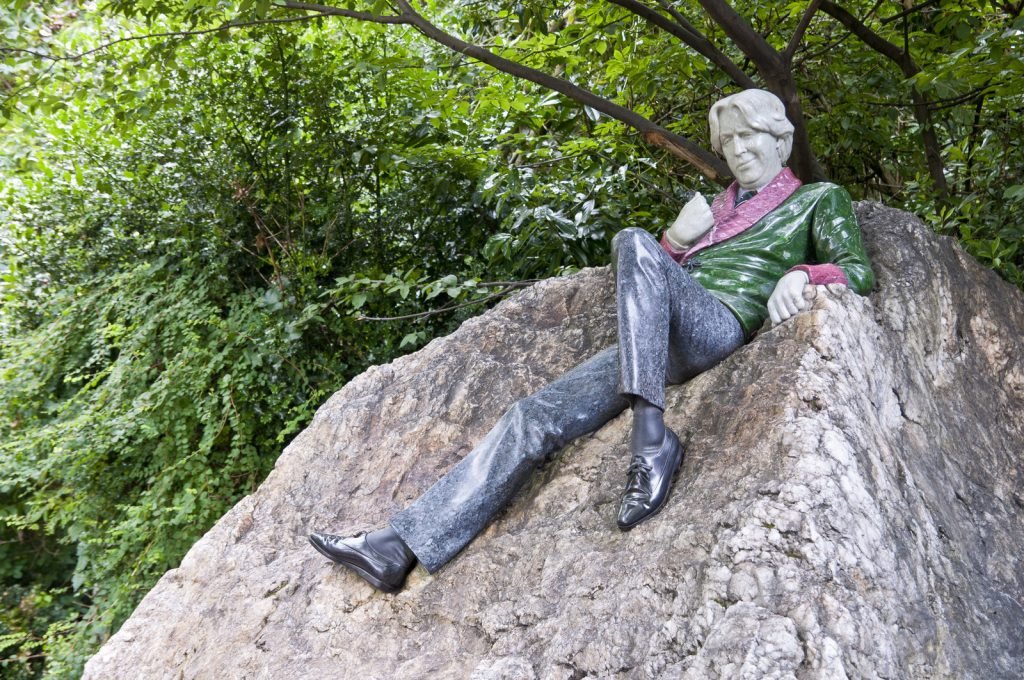
Oscar Wilde Memorial
The arts have long served as a refuge for those who feel different, and gay icons within this realm have played a pivotal role in shaping culture and society. Think of Oscar Wilde, whose wit and flamboyance made him a literary sensation in Victorian England. Wilde’s life was a testament to the power of self-expression, even in the face of societal condemnation.
His works, such as “The Picture of Dorian Gray,” challenged moral conventions and explored themes of beauty, desire, and identity. Wilde’s legacy endures not only through his literature but also through his unapologetic embrace of his sexuality at a time when it simply was no on—a bold stance that inspired countless others to live authentically. Fast forward to the 20th century, and we encounter figures like Judy Garland, whose impact on LGBTQI+ culture is nothing short of legendary.
Garland’s performance in “The Wizard of Oz” resonated deeply with gay audiences, who found solace in her portrayal of Dorothy—a character who yearned for acceptance and belonging. Her untimely death in 1969 helped spark the Stonewall riots, a pivotal moment in LGBTQ+ history. Garland became an enduring symbol of resilience and hope for many within the community.
The arts have provided a platform for gay voices to flourish, allowing them to challenge societal norms and inspire change through creativity.
Political Trailblazers: Advocates for LGBTQI+ Rights and Equality
Political trailblazers have been instrumental in advancing LGBTQI+ rights, often at great personal risk. Harvey Milk stands out as a beacon of hope in this arena. As one of the first openly gay elected officials in the United States, Milk’s tenure as a San Francisco city supervisor was marked by his unwavering commitment to equality.
He championed issues such as housing rights and anti-discrimination laws, using his platform to advocate for marginalized communities. Milk’s famous mantra, “You gotta give ‘em hope,” encapsulated his belief in the power of visibility and representation. Tragically assassinated in 1978, his legacy continues to inspire activists fighting for LGBTQ+ rights today.
Another formidable figure is Marsha P. Johnson, a Black transgender activist whose contributions to the LGBTQI+ rights movement cannot be overstated. Johnson was a key player in the Stonewall riots and co-founded the Street Transvestite Action Revolutionaries (STAR), an organization dedicated to supporting homeless transgender individuals.
Her fierce advocacy brought attention to issues affecting marginalized communities within the LGBTQI+ spectrum. Johnson’s life was a testament to intersectionality—she understood that the fight for equality must encompass all identities and experiences. Her legacy serves as a reminder that true progress requires inclusivity and solidarity among diverse communities.
Scientific and Medical Innovators: Contributions of Gay Figures in Research and Discovery
The realm of science has also been enriched by the contributions of gay figures who have made groundbreaking discoveries while navigating their own identities. Alan Turing, often hailed as the father of computer science, was not only a brilliant mathematician but also a gay man whose life was tragically cut short due to societal prejudice. Turing’s work during World War II was instrumental in breaking the Enigma code, significantly contributing to the Allied victory.
However, his legacy extends beyond his scientific achievements; Turing’s persecution for his sexuality highlights the urgent need for societal change. Today, he is celebrated as a symbol of brilliance overshadowed by discrimination. In medicine,
Dr. Paul Volberding has made significant strides in HIV/AIDS research while openly identifying as gay. His work has been pivotal in understanding and treating this devastating disease that disproportionately affected LGBTQI+ communities during its early years. Volberding’s advocacy for patients’ rights and his commitment to research have saved countless lives and transformed public health approaches to HIV/AIDS.
These scientific innovators remind us that progress often comes at a cost but can lead to monumental advancements that benefit society as a whole.
Legacy and Continued Influence: Honoring the Contributions of Trailblazers

Weren’t not a road to nowhere.
As we reflect on the contributions of gay trailblazers throughout history and the state of the world today, it becomes evident that their legacies are woven into the very fabric of our society. Their courage in the face of adversity has paved the way for greater acceptance and understanding of identities. Today’s LGBTQI+ activists stand on the shoulders of giants—individuals who fought tirelessly for rights that many now take for granted.
The ongoing struggle for equality serves as a reminder that while progress has been made, there is still work to be done. In some places, we are still under the threat of death. Honoring these trailblazers means not only celebrating their achievements but also amplifying their voices in contemporary discussions about LGBTQI+ rights. It involves recognizing intersectionality within the movement and ensuring that all identities are represented and respected.
As we navigate an ever-changing social landscape, it is crucial to remember that history is not merely a collection of dates and events; it is alive with stories that continue to inspire action today.
In conclusion, exploring the impact of gay trailblazers on history reveals a rich tapestry of resilience, creativity, and advocacy. From early pioneers who fought for visibility to modern-day icons shaping culture and politics, these individuals have left an indelible mark on society.
Their legacies remind us that every voice matters in the ongoing quest for equality—a journey that requires courage, compassion, and an unwavering commitment to justice for all, even if we face difficult times ahead.