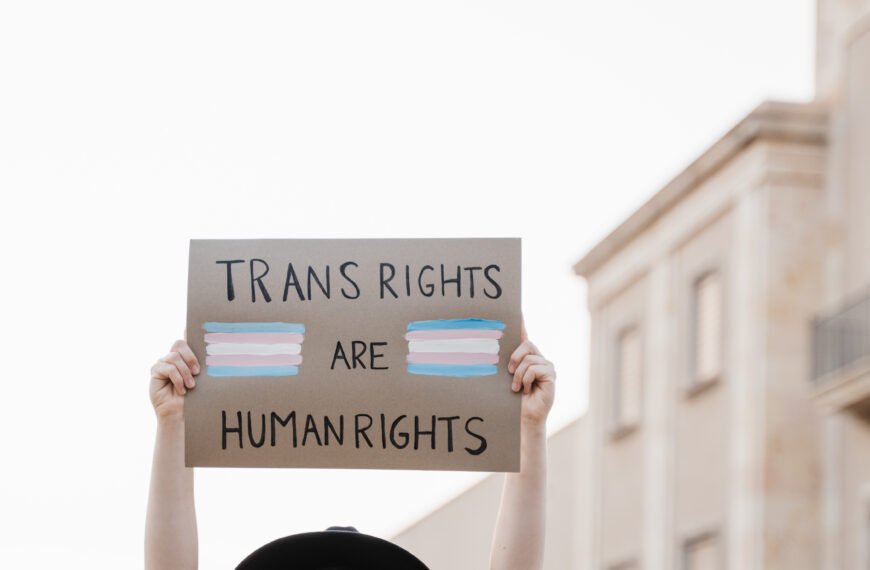
The landscape of LGBTQ+ rights in the United States has always been a rollercoaster ride, with moments of triumph overshadowed by alarming setbacks. However, emboldened by the Trump administration, the government, at various levels, has taken steps that many perceive as direct attacks on the rights and dignity of LGBTQ+ individuals. From legislation that restricts access to healthcare for transgender individuals to policies that undermine protections against discrimination, it often feels like a tug-of-war between progress and regression. Now it feels like outright war.
The American Civil Liberties Union (ACLU) tracks anti-LGBTQ+ legislation. As of this article, there are 550+ pieces of anti-gay legislation in the works across the United States.
The rhetoric surrounding these issues can be just as damaging as the policies themselves, creating an environment where fear and misinformation thrive. The targeting of the LGBTQ+ community is not merely a political issue; it’s a deeply personal one for millions of Americans. Families are torn apart, friendships strained, and lives disrupted by the fallout from these policies.
For instance, the recent wave of anti-trans bills across various states has not only made headlines but has also instilled a sense of dread among those who identify as transgender. The government’s actions send a message that their existence is up for debate, which can lead to increased mental health struggles and a feeling of isolation. It’s crucial to recognize that these aren’t just statistics; they represent real people facing real consequences.
The impact of the war on the transgender community
The ongoing battle for transgender rights has taken a toll on individuals and families alike. Transgender people often find themselves at the intersection of multiple forms of discrimination, facing challenges that can be both systemic and deeply personal. The war on transgender rights manifests in various ways, from healthcare access to social acceptance.
Many states have enacted laws that restrict access to gender-affirming care, which is not just a medical issue but a matter of life and death for some individuals. The psychological impact of being denied care can be devastating, leading to increased rates of anxiety, depression, and suicidal ideation. Moreover, the societal stigma surrounding transgender identities can lead to violence and discrimination in everyday life.
Reports of hate crimes against transgender individuals have surged, particularly against transgender women of color, who face an alarming rate of violence. This climate of fear is exacerbated by political rhetoric that dehumanizes transgender people, framing them as threats rather than individuals deserving of respect and dignity. The war on transgender rights is not merely a series of legislative battles; it’s a fight for the very right to exist authentically in a world that often refuses to acknowledge one’s identity.
Utah’s two steps backward and one step forward in the fight against discrimination
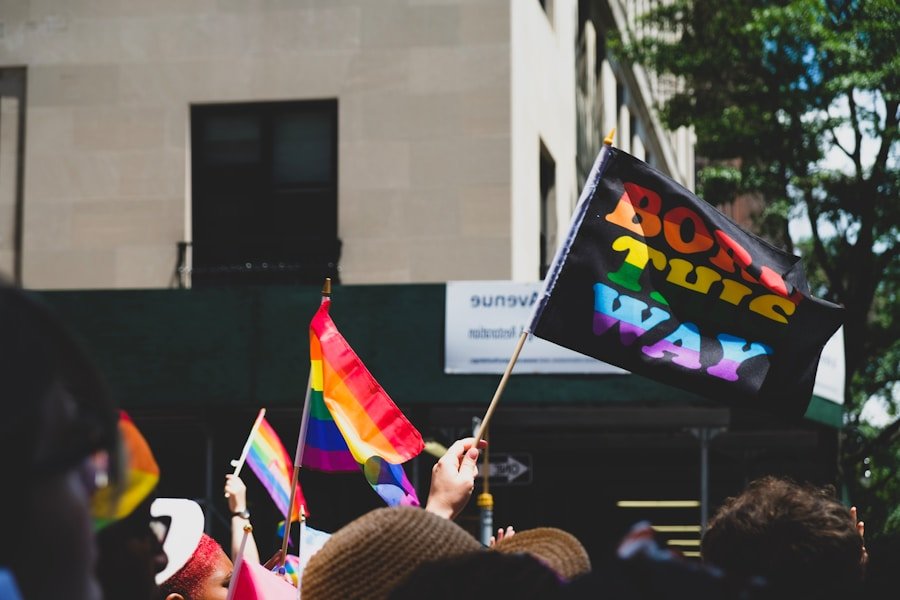
It’s a start but we have to do more than wave a flag
Utah has emerged as a focal point in the national conversation about LGBTQ+ rights, particularly in the context of its unique cultural landscape. Known for its conservative values and strong religious influence, the state has seen both progress and pushback regarding LGBTQ+ issues. In recent years, there have been significant strides toward inclusivity, such as the passage of non-discrimination laws that protect LGBTQ+ individuals in employment and housing.
However, these advancements often coexist with efforts to roll back rights, creating a complex environment for advocates and allies. Utah has become the first state in the US to prohibit flying LGBTQ+ pride flags at schools and all government buildings after its Republican governor announced he was allowing a ban on unsanctioned flag displays to become law without his signature. The role of local activists in Utah cannot be overstated. Grassroots organizations have mobilized to challenge these discriminatory practices and advocate for comprehensive protections for LGBTQ+ individuals. The battle continues, and will probably get uglier.
These groups work tirelessly to educate the public about LGBTQ+ issues, dispelling myths and fostering understanding within communities that may be resistant to change. The juxtaposition of progressive movements against a backdrop of traditional values makes Utah a microcosm of the broader national struggle for equality.
It serves as a reminder that change is possible, even in places where it seems least likely.
The ACLU’s efforts to protect LGBTQ+ rights
The American Civil Liberties Union (ACLU) has been at the forefront of defending LGBTQ+ rights across the United States. With a mission rooted in protecting individual freedoms, the ACLU has taken on numerous cases that challenge discriminatory laws and practices. Their legal battles have set important precedents that not only protect LGBTQ+ individuals but also affirm their right to live authentically without fear of persecution.
From fighting against discriminatory bathroom bills to advocating for marriage equality, the ACLU’s work is vital in ensuring that LGBTQ+ voices are heard in courtrooms and beyond. Beyond legal advocacy, the ACLU also engages in public education campaigns aimed at raising awareness about LGBTQ+ issues. They provide resources for individuals who may not know their rights or how to navigate complex legal landscapes.
This dual approach—combining litigation with education—ensures that the fight for equality is not confined to courtrooms but resonates within communities across the nation. The ACLU’s commitment to intersectionality also highlights how various forms of discrimination intersect, emphasizing that the fight for LGBTQ+ rights is part of a larger struggle for justice and equality for all marginalized groups.
Ways to support and advocate for the LGBTQ+ community
Supporting the LGBTQ+ community requires more than passive agreement; it demands active engagement and advocacy. One effective way to make a difference is by educating oneself about LGBTQ+ issues and history. Understanding the struggles faced by this community can foster empathy and encourage meaningful conversations with friends and family.
Knowledge is power, and being informed allows allies to challenge misconceptions and stand up against discrimination when they encounter it.
Another impactful way to support LGBTQ+ individuals is through financial contributions to organizations that advocate for their rights. Whether it’s local grassroots groups or national organizations like the ACLU or Human Rights Campaign, donations can help fund essential programs that provide legal assistance, mental health resources, and community support.
Volunteering time at local LGBTQ+ centers or participating in pride events can also create visibility and solidarity within communities. Every action counts, no matter how small; showing up for pride parades or participating in awareness campaigns sends a powerful message that love and acceptance prevail over hate.
The importance of solidarity and allyship in the fight for equality
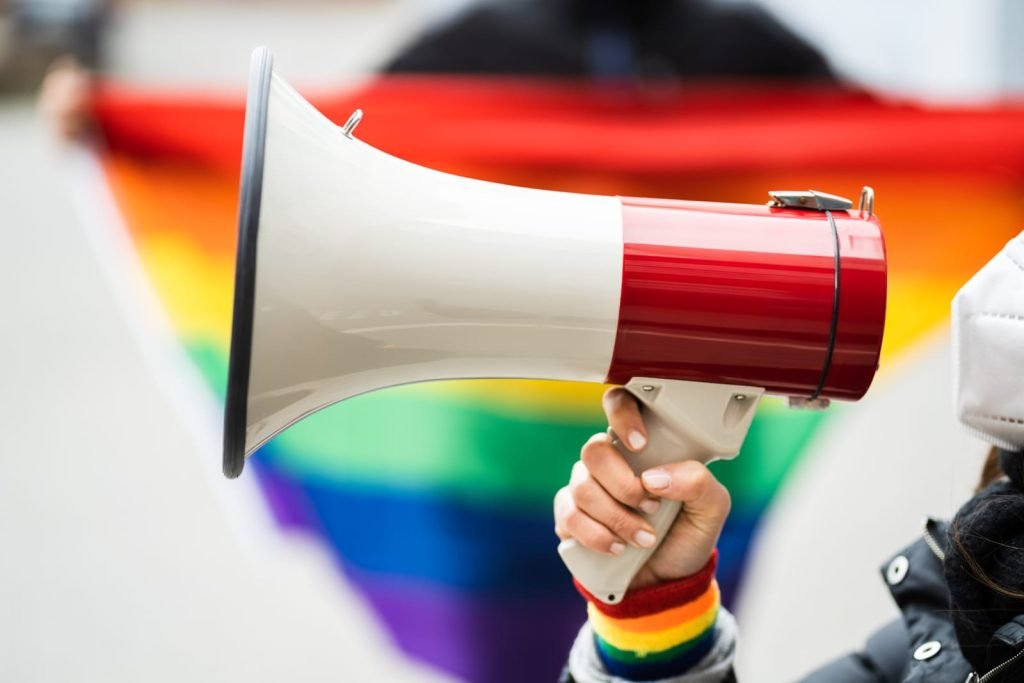
Your voice is one of many but needs to be heard
Solidarity and allyship are crucial components in the ongoing fight for equality. Being an ally means more than simply supporting LGBTQ+ rights; it involves actively listening to the experiences of marginalized individuals and amplifying their voices. Allies have a unique opportunity to challenge discriminatory practices within their own circles—whether at work, school, or within families—by speaking out against harmful rhetoric or actions.
This kind of advocacy can create ripple effects that extend far beyond individual interactions. Moreover, solidarity means recognizing that the fight for LGBTQ+ rights is interconnected with other social justice movements. Issues such as racial justice, gender equality, and economic equity are all intertwined; supporting one cause often means supporting them all.
By standing together in solidarity, and we mean all of us, not just the LGBTQ+ community, we can create a more inclusive society where everyone—regardless of their identity—can thrive without fear or discrimination. In this shared struggle for justice, every voice matters, and every act of allyship contributes to a brighter future for all. More importantly, we have to hurry up. War does not wait.
Sourcing: https://www.aclu.org/legislative-attacks-on-lgbtq-rights-2025