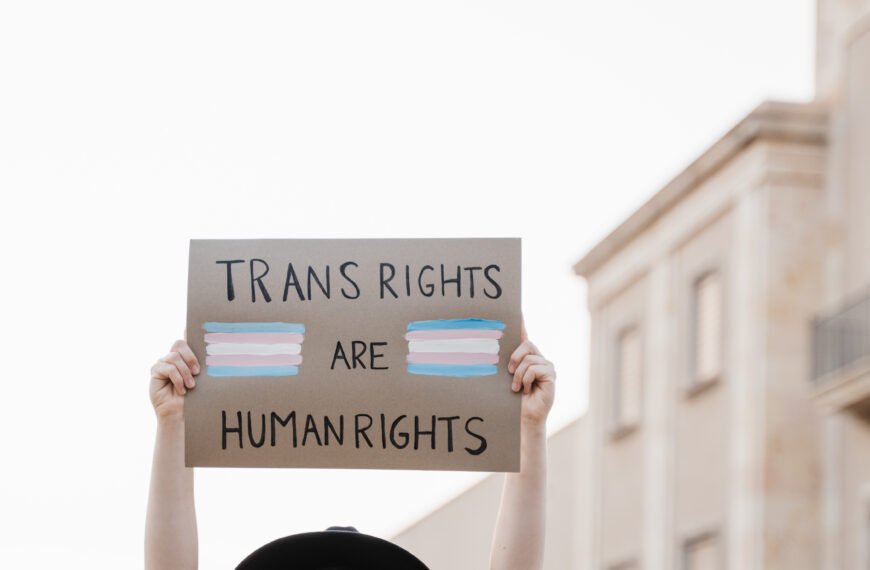
In recent years, the landscape of transgender legislation in the United States has become increasingly polarized, particularly in conservative states. In recent weeks, it has seemed like outright open war on trangender people and their allies. As we navigate this complex terrain, it is essential to understand the motivations behind the surge of anti-trans bills and the implications they hold for the transgender community. The political climate in these regions often reflects a broader societal struggle over issues of identity, rights, and acceptance.
We find ourselves at a critical juncture where the rights of transgender individuals are being challenged, leading to a national conversation about equality and human dignity. The rise of anti-trans legislation is not merely a political maneuver; it represents a significant cultural shift that affects countless lives. We must recognize that these laws are often framed as protective measures for children or traditional values.
However, beneath this veneer lies a troubling reality: the marginalization and dehumanization of transgender individuals. By examining the motivations and consequences of these legislative actions, we can better understand the urgent need for advocacy and support for the transgender community.
The Surge of Anti-Trans Bills in States like Wyoming
In states like Wyoming, we have witnessed an alarming increase in anti-trans bills aimed at restricting the rights of transgender individuals. These legislative efforts often target specific aspects of life, such as access to healthcare, participation in sports, and the ability to change one’s legal gender. The motivations behind these bills are frequently rooted in a desire to uphold traditional gender norms and protect what proponents claim are the rights of cisgender individuals.
However, this perspective often overlooks the fundamental rights of transgender people to live authentically and without fear of discrimination. The sheer volume of anti-trans bills introduced in conservative states is staggering. In recent legislative sessions, we have seen dozens of bills aimed at curtailing the rights of transgender youth, particularly in areas like education and healthcare.
This surge is not an isolated phenomenon; rather, it reflects a coordinated effort by certain political groups to galvanize their base by targeting marginalized communities. As we analyze these developments, it becomes clear that the implications extend far beyond the legislative chambers—they resonate deeply within our communities and impact the lives of countless individuals.
Impact on the Transgender Community in the USA

The impact of anti-trans legislation on the transgender community is profound and multifaceted. For many individuals, these laws create an environment of fear and uncertainty, where their very existence is called into question. We see firsthand how these legislative actions can lead to increased mental health challenges among transgender individuals, particularly youth who may already be grappling with issues of identity and acceptance.
The message sent by these laws is clear: that being transgender is something to be regulated or controlled rather than embraced and celebrated or even allowed. Moreover, the ripple effects of anti-trans legislation extend beyond those directly affected. Families, friends, and allies also feel the weight of these laws as they navigate a society that increasingly marginalizes their loved ones.
We find ourselves in a situation where conversations about gender identity become fraught with tension and misunderstanding, further isolating those who simply wish to live authentically. The emotional toll on the transgender community is significant, as many individuals face not only societal rejection but also legal barriers that hinder their ability to thrive.
Legal and Social Implications of Anti-Trans Legislation
The legal implications of anti-trans legislation are far-reaching and complex. As we examine these laws, we must consider how they intersect with existing civil rights protections and what this means for the future of equality in our society. Many anti-trans bills challenge established legal precedents that have sought to protect marginalized groups from discrimination.
This creates a precarious situation where the rights of one group are pitted against another, often leading to divisive legal battles that can take years to resolve. Socially, these laws contribute to a culture of intolerance that can have devastating effects on public perception and acceptance of transgender individuals. We see how media portrayals and political rhetoric surrounding these issues can shape societal attitudes, often perpetuating harmful stereotypes and misinformation.
As a result, we find ourselves grappling with a landscape where misinformation thrives, making it all the more challenging for transgender individuals to advocate for their rights and seek acceptance within their communities.
Advocacy and Resistance in the Face of Anti-Trans Bills
In response to the surge of anti-trans legislation, advocacy efforts have emerged with renewed vigor across the country. We are witnessing a powerful movement comprised of activists, organizations, and allies who are committed to fighting for transgender rights and challenging discriminatory laws. These efforts take many forms, from grassroots organizing to legal challenges aimed at overturning harmful legislation.
As we engage with these movements, we recognize the importance of solidarity and collective action in creating meaningful change. Moreover, advocacy extends beyond legal battles; it encompasses education and awareness-raising initiatives designed to foster understanding and acceptance within communities. We see organizations working tirelessly to provide resources for transgender individuals and their families, helping them navigate the complexities of healthcare access, legal rights, and social support systems.
By amplifying the voices of those directly affected by anti-trans legislation, we can create a more inclusive dialogue that challenges misconceptions and promotes empathy.
Looking Ahead: The Future of Transgender Rights in Conservative States
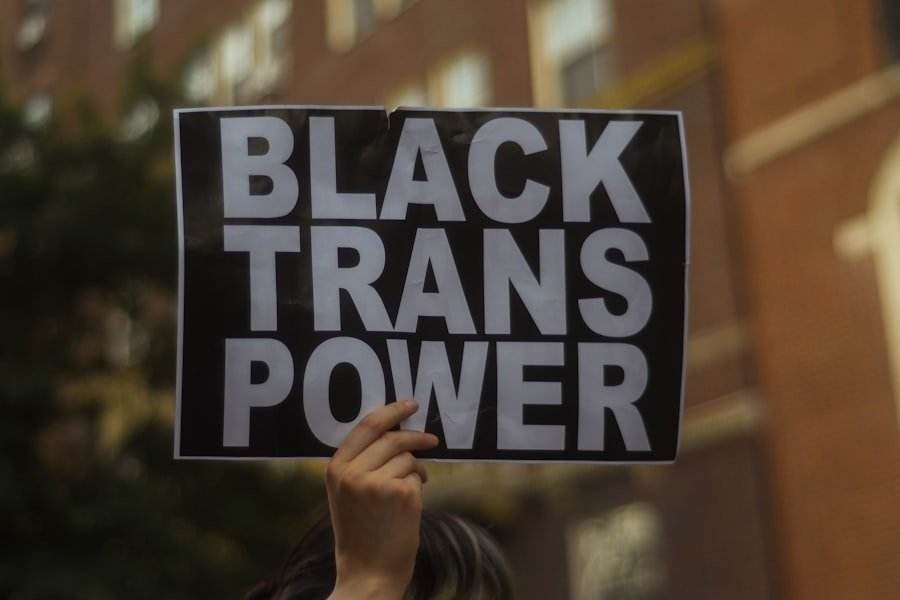
As we look ahead to the future of transgender rights in conservative states, we find ourselves at a crossroads filled with both challenges and opportunities. The current wave of anti-trans legislation may seem daunting, but it has also galvanized a movement that is increasingly resilient and determined to fight for justice. We must resist and remain vigilant in our advocacy efforts while also recognizing that change is possible through persistent action and engagement.
The future will likely require us to navigate a complex legal landscape as courts grapple with the implications of anti-trans laws. However, we can draw hope from the growing visibility of transgender individuals and allies who are unafraid to speak out against injustice. We must stand forward to resist the actions taken in DC. We can look to the EU to guide and protect what rights currently exist. As we continue to advocate for equality and acceptance, we must also prioritize mental health support for those affected by discrimination and work towards building inclusive communities where everyone can thrive.
In conclusion, while the challenges posed by anti-trans legislation in conservative states are significant, they also present an opportunity for us to unite in support of transgender rights. By fostering understanding, advocating for change, and standing in solidarity with marginalized communities, we can work towards a future where all individuals are free to express their identities without fear or discrimination. Together, we can still create a society that values diversity and upholds the dignity of every person, regardless of their gender identity.