The feud between Donald Trump and Rosie O’Donnell is one of those bizarre chapters in celebrity culture that feels like it could only happen in America. It began in 2006 when O’Donnell, then a co-host on “The View,” criticized Trump for his handling of the Miss USA pageant. She called him out for his treatment of contestants and his overall demeanor, which she deemed unworthy of a public figure.
Trump, never one to shy away from a fight, fired back with a series of insults that would set the tone for their ongoing rivalry. He labeled her “fat” and “a loser,” and the gloves were off. What started as a critique quickly spiraled into a full-blown war of words, with both parties exchanging barbs in interviews, on television, and eventually on social media.
The feud has now taken a step into fascism.
“Because of the fact that Rosie O’Donnell is not in the best interests of our Great Country, I am giving serious consideration to taking away her Citizenship,” Trump wrote on his Truth Social platform, “She is a Threat to Humanity, and should remain in the wonderful Country of Ireland, if they want her. GOD BLESS AMERICA!” Trump wrote.
O’Donnell, who was born in New York State and is a US citizen, moved to Ireland in January of 2025. O’Donnell responded on Instagram, “The president of the usa has always hated the fact that i see him for who he is – a criminal con man sexual abusing liar out to harm our nation to serve himself – this is why i moved to ireland,” she wrote. “he is a dangerous old soulless man with dementia who lacks empathy, compassion and basic humanity – i stand in direct opposition all he represents – so do millions of others – u gonna deport all who stand against ur evil tendencies – ur a bad joke who cant form a coherent sentence #nevertrump.” O’Donnell continued in a second post, “You call me a threat to humanity – but I’m everything you fear: a loud woman a queer woman a mother who tells the truth an american who got out of the country b4 u set it ablaze you build walls – I build a life for my autistic kid in a country where decency still exists.”
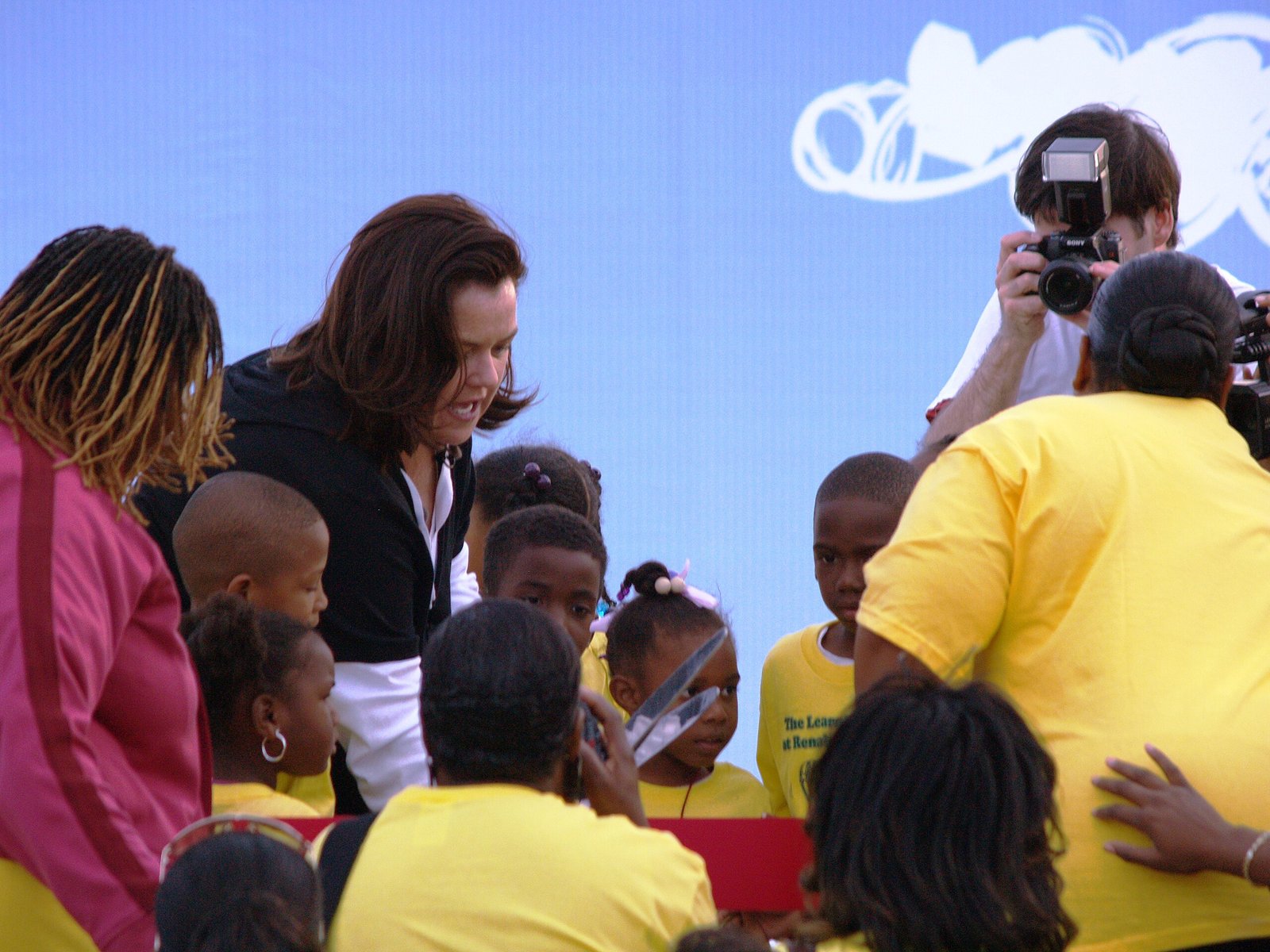
While Trump has no power to strip US citizens of citizenship (yet), this feud is emblematic of Trump’s approach to conflict—he thrives on it. For him, public spats are not just personal; they are a form of entertainment. O’Donnell, on the other hand, has always been more than just a comedian or talk show host; she’s a passionate advocate for various causes, including LGBTQ+ rights.
The clash between these two personalities—Trump’s brashness and O’Donnell’s advocacy—created a spectacle that captivated audiences and highlighted the stark differences in their worldviews. As the years rolled on, their exchanges became less about the original issue and more about personal attacks, showcasing how celebrity feuds can often overshadow substantive discussions.
The Impact of Trump’s Attacks on the LGBTQ+ Community
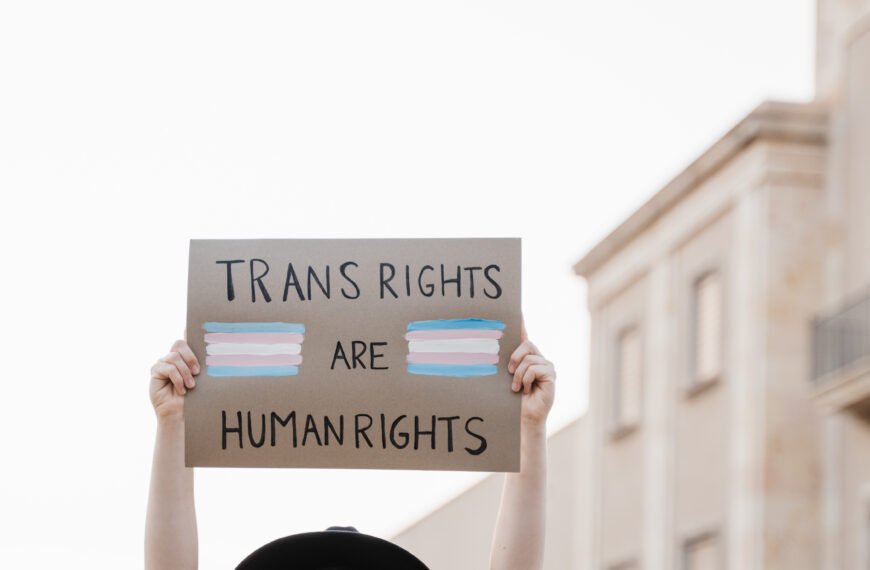
Trump’s attacks on O’Donnell were not merely personal insults; they had broader implications, particularly for the LGBTQ+ community. O’Donnell has long been an outspoken advocate for LGBTQ+ rights, and Trump’s derogatory remarks about her weight and appearance were seen by many as part of a larger pattern of homophobic and misogynistic rhetoric. When a figure as prominent as Trump uses such language, it sends a message that it’s acceptable to demean individuals based on their identity or appearance, or worse.
This kind of discourse can have real-world consequences, fostering an environment where discrimination and bullying are normalized. Moreover, Trump’s presidency was marked by policies that often undermined LGBTQ+ rights, from banning transgender individuals from serving in the military to rolling back protections against discrimination. His feud with O’Donnell served as a microcosm of this larger issue.
The way he targeted her was not just an attack on one individual; it was an attack on the values of acceptance and respect that many in the LGBTQ+ community hold dear, and the larger minority community in general. The fallout from these remarks ripple through society, reinforcing harmful stereotypes and emboldening those who might feel justified in expressing their own prejudices.
O’Donnell’s Response to Trump’s Remarks
Resistance is key
Rosie O’Donnell’s response to Trump’s jabs was nothing short of fierce. Rather than retreating into silence or allowing his insults to define her, she took to various platforms to counter his narrative. O’Donnell used her wit and humor to turn the tables on Trump, often mocking his own insecurities while highlighting the absurdity of his attacks.
She became a vocal critic not only of Trump but also of the culture that allowed such behavior to flourish. Her resilience in the face of his vitriol resonated with many who felt marginalized by his rhetoric. In addition to her comedic retorts, O’Donnell also used her platform to advocate for issues close to her heart.
She spoke out against bullying and body shaming, emphasizing that Trump’s comments were not just about her but reflected a larger societal problem. By framing her responses in this way, she transformed the feud into a conversation about self-acceptance and the importance of standing up against bullies—whether they are in schoolyards or on national stages. O’Donnell’s ability to pivot from personal attacks to broader social issues showcased her strength and commitment to advocacy.
The Role of Social Media in the Feud
Social media played a pivotal role in amplifying the feud between Trump and O’Donnell. Platforms like Twitter became battlegrounds where both parties could air their grievances to millions of followers. Trump’s tweets were often incendiary, filled with insults that would go viral within minutes.
O’Donnell, not one to back down, responded in kind, using humor and sarcasm to engage her audience. This back-and-forth created a spectacle that drew in not only their respective fans but also casual observers who were entertained by the drama. The immediacy of social media allowed for real-time reactions and commentary from the public, turning what might have been a private dispute into a national conversation.
Hashtags related to their feud trended, and memes proliferated, illustrating how digital culture can transform personal conflicts into public spectacles. This phenomenon also highlighted the power dynamics at play; Trump’s position as a former president gave his words weight that O’Donnell’s responses often lacked in mainstream media coverage. Yet, through social media, she found a way to level the playing field, engaging directly with supporters and critics alike.
The Relevance of O’Donnell’s Sexual Orientation in the Feud
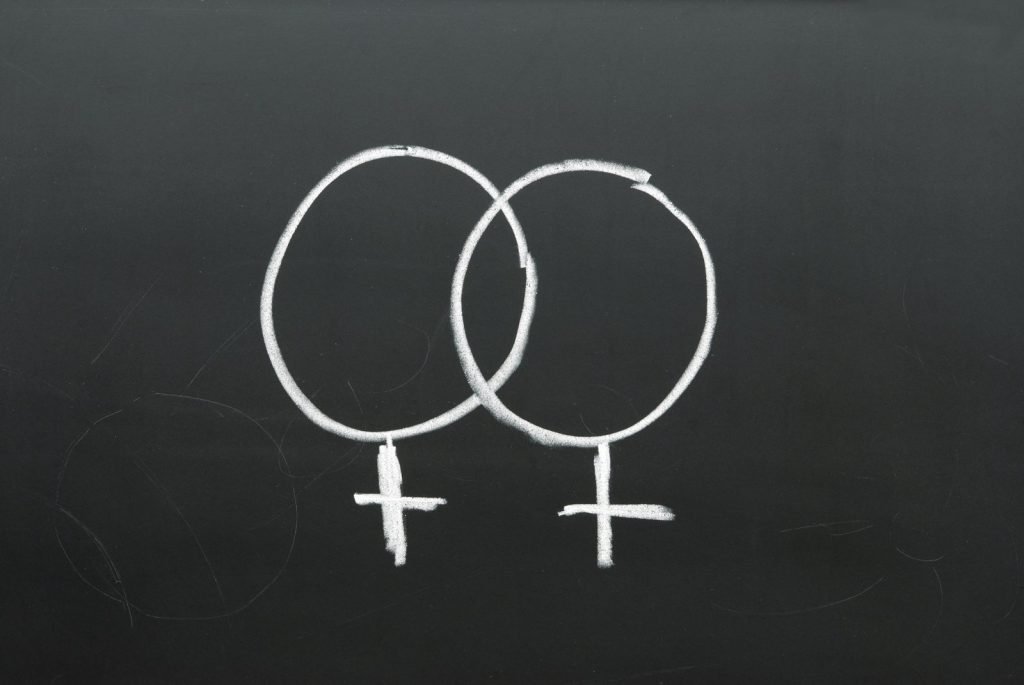
Trumps attack on O’Donnell is part of a continued assault on women
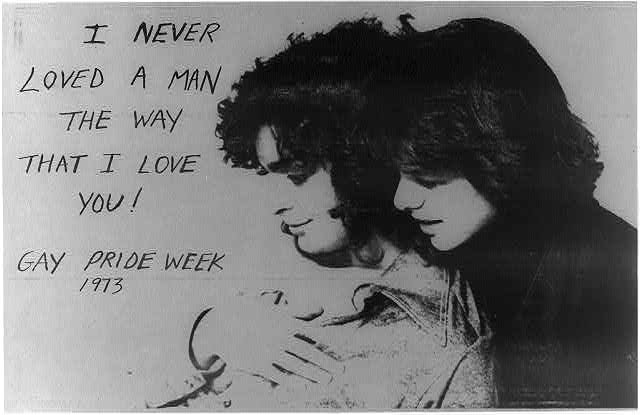
O’Donnell’s sexual orientation plays a significant role in understanding the dynamics of her feud with Trump. As an openly gay woman, she has faced unique challenges and discrimination throughout her career. Trump’s attacks on her were not merely personal; they tapped into broader societal prejudices against LGBTQ+ individuals.
By targeting O’Donnell’s appearance and character rather than engaging with her arguments or critiques, Trump perpetuated harmful stereotypes that have long plagued the LGBTQ+ and minority communities. This aspect of their feud highlights how personal identities intersect with public discourse.
For many supporters of LGBTQ+ rights, Trump’s remarks were not just an attack on one individual but an affront to an entire community striving for acceptance and equality.
O’Donnell’s visibility as a queer figure in entertainment makes her an important symbol in this struggle; her resilience against Trump’s bullying serves as an inspiration for others facing similar challenges. The relevance of her sexual orientation in this context underscores how personal battles can reflect larger societal issues.
The Ongoing Impact of Trump’s Remarks on O’Donnell’s Career
The impact of Trump’s remarks on O’Donnell’s career has been multifaceted. While some might argue that such public feuds could tarnish one’s reputation, O’Donnell has managed to turn this narrative around. Her ability to confront Trump head-on has solidified her status as a fierce advocate for social justice and LGBTQ+ rights.
Rather than allowing his insults to define her career trajectory, she has used them as fuel for her activism and comedy.
However, it’s essential to acknowledge that not all consequences have been positive.
The relentless nature of their feud has led to increased scrutiny of O’Donnell’s work and personal life.
Critics have often used Trump’s attacks as ammunition against her, attempting to undermine her credibility as an entertainer and activist. Yet through it all, O’Donnell has remained steadfast in her commitment to advocacy, proving that resilience can be a powerful tool in overcoming adversity.
The Larger Implications of Trump’s Feud with O’Donnell
The ongoing feud between Trump and O’Donnell serves as a microcosm of larger societal issues surrounding power dynamics, celebrity culture, and the treatment of marginalized communities. It highlights how public figures can wield their influence—whether positively or negatively—and how their words can resonate far beyond their immediate context. The way Trump targeted O’Donnell reflects broader patterns of misogyny and homophobia that persist in society today.
In conclusion, the saga between Trump and O’Donnell is more than just a celebrity feud; it encapsulates critical conversations about identity, power, and resilience in the face of adversity. Their exchanges have sparked discussions that extend far beyond their personal animosities, touching on issues that affect us all—making it a story worth following as it continues to unfold.