
In recent years, the landscape of reproductive rights in the United States has shifted dramatically, resembling a battleground where women’s autonomy is increasingly under siege. Laws that once protected the right to choose have been rolled back or outright dismantled in various states, leaving many women grappling with uncertainty about their reproductive health. The Supreme Court’s decision to overturn Roe Wade in 2022 marked a pivotal moment, igniting a firestorm of debate and activism.
This ruling not only stripped away federal protections but also empowered individual states to impose their own restrictions, leading to a patchwork of laws that vary wildly from one region to another. In some areas, women now face waiting periods, mandatory counseling, and even outright bans on abortion, often with little regard for personal circumstances or health considerations. The implications of these changes extend far beyond the immediate issue of abortion.
They signal a broader attack on women’s rights and bodily autonomy, raising alarms about the potential for further erosion of rights that many have taken for granted. The conversation around reproductive rights has become increasingly polarized, with advocates on both sides passionately defending their positions. However, at the heart of this debate lies a fundamental question: who gets to make decisions about women’s bodies?
The answer should unequivocally be women themselves, yet the current political climate suggests otherwise. As states enact more restrictive measures, the urgency for advocacy and resistance grows stronger, as does the need for a collective voice demanding respect for women’s choices.
The Role of Republicans in Trump’s War on Women
The Republican Party has played a significant role in shaping the current landscape of reproductive rights, particularly during Donald Trump’s presidency. With a platform that often prioritizes conservative values over individual freedoms, the party has aligned itself with a faction that seeks to impose strict limitations on reproductive health services. Trump’s administration was marked by a series of actions aimed at dismantling protections for women, from appointing conservative justices to the Supreme Court to supporting legislation that restricts access to abortion and contraception.
This alignment with anti-abortion groups has galvanized a segment of the Republican base, but it has also alienated many moderate voters who believe in the importance of personal choice. The consequences of this political maneuvering are profound.
By prioritizing party loyalty over women’s health and rights, Republicans have contributed to an environment where women’s voices are marginalized.
The rhetoric surrounding reproductive rights has often been steeped in misinformation and fear-mongering, painting women seeking abortions as irresponsible or reckless. This narrative not only stigmatizes those who make difficult choices but also ignores the complex realities many women face. As the party continues to push for more restrictive measures, it becomes increasingly clear that this is not merely a political issue; it is a matter of human rights and dignity.
The fight against this war on women requires not only awareness but also active engagement from those who believe in equality and justice.
The Threat of Gilead: A Comparison to the Handmaid’s Tale

How close is it?
For many, the dystopian world depicted in Margaret Atwood’s “The Handmaid’s Tale” serves as a chilling reminder of what can happen when women’s rights are stripped away. In Gilead, women are reduced to their red-cloaked reproductive capabilities, forced into roles that deny them autonomy and agency. While we may not be living in a totalitarian regime, the parallels between Gilead and contemporary America are striking.
The increasing restrictions on reproductive rights echo the oppressive measures imposed on women in Atwood’s fictional society. As laws become more draconian and societal attitudes shift towards viewing women primarily as vessels for childbirth, one cannot help but feel a sense of foreboding. This comparison is not merely hyperbolic; it serves as a wake-up call for those who believe in gender equality and human rights.
The erosion of reproductive freedoms is often couched in terms of protecting life or moral values, but at its core, it represents an attempt to control women’s bodies and choices. The fear is that if we do not actively resist these trends, we may find ourselves inching closer to a reality reminiscent of Gilead. The urgency to advocate for women’s rights has never been more pressing, as we must ensure that our society does not regress into a state where women’s autonomy is stripped away under the guise of protection or morality.
The Impact on Women’s Health and Access to Healthcare
The ramifications of restricting reproductive rights extend far beyond the political arena; they have tangible effects on women’s health and access to healthcare services. When abortion is made illegal or difficult to obtain, women are often forced to seek unsafe alternatives or carry unwanted pregnancies to term. This can lead to severe physical and mental health consequences, including complications from unsafe procedures and increased rates of maternal mortality.
Moreover, the stigma surrounding abortion can deter women from seeking necessary medical care altogether, creating an environment where health issues go unaddressed. Access to comprehensive healthcare is crucial for women’s well-being, yet many states have enacted laws that limit not only abortion access but also contraception and other essential services. These restrictions disproportionately affect low-income women and those living in rural areas, who may already face barriers to healthcare access.
The result is a cycle of disadvantage that perpetuates inequality and undermines women’s health outcomes. As healthcare becomes increasingly politicized, it is vital to advocate for policies that prioritize women’s health and ensure that all individuals have access to the care they need without fear or stigma.
The Fight for Gender Equality and Women’s Rights
The struggle for gender equality is deeply intertwined with the fight for reproductive rights. As semantics over words like diversity, equality and inclusion are slammed as dirty, women suffer. When women are denied control over their own bodies, their ability to participate fully in society is compromised. Reproductive freedom is not just about choice; it is about empowerment and autonomy.
Women who can make decisions about their reproductive health are better positioned to pursue education, careers, and personal goals. Conversely, when these rights are curtailed, it reinforces systemic inequalities that have persisted for generations. Advocating for gender equality means recognizing that reproductive rights are fundamental human rights.
It requires challenging societal norms that dictate how women should behave and what choices they should make regarding their bodies. This fight is not solely about legal battles; it encompasses cultural shifts that promote respect for women’s autonomy and decision-making capabilities. As we navigate this complex landscape, it is essential to uplift diverse voices within the movement and ensure that all women—regardless of race, class, or background—are represented in discussions about their rights.
The Importance of Resistance and Advocacy in the Current Political Climate
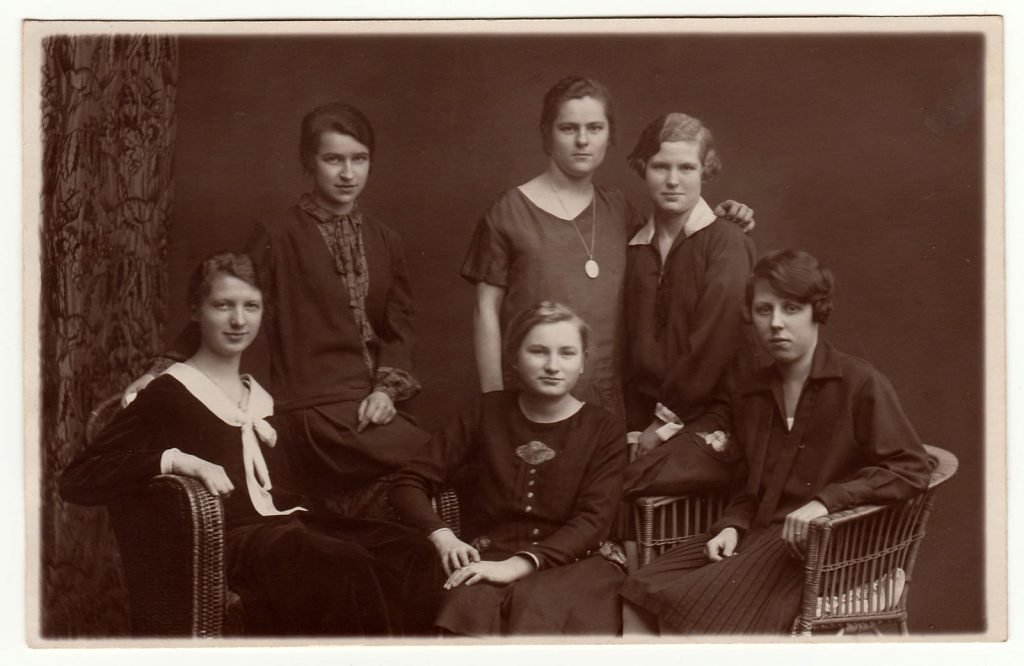
100 years forward and one election backward
In light of the ongoing attacks on reproductive rights and gender equality, resistance and advocacy have become more critical than ever. Grassroots movements have emerged across the country, mobilizing individuals to stand up against oppressive policies and demand change. From organizing protests to lobbying lawmakers, activists are harnessing their collective power to challenge the status quo and advocate for women’s rights.
Social media has played a pivotal role in amplifying these voices, allowing individuals to share their stories and connect with others who share their passion for justice. However, resistance must go beyond mere outrage; it requires sustained action and engagement at all levels of society. This includes voting for candidates who prioritize reproductive rights, supporting organizations that advocate for women’s health, and educating others about the importance of these issues.
It is essential to create spaces where conversations about reproductive rights can occur openly and honestly, free from stigma or judgment. By fostering a culture of advocacy and resistance, we can work towards a future where women’s rights are respected and upheld as fundamental human rights. In conclusion, the fight for reproductive rights is far from over.
As we confront the challenges posed by restrictive laws and societal attitudes that seek to undermine women’s autonomy, it is crucial to remain vigilant and engaged. By standing together in solidarity and advocating for change, we can ensure that future generations of women will have the freedom to make choices about their own bodies without fear or limitation. The road ahead may be fraught with obstacles, but history has shown us that collective action can lead to meaningful progress.
Let us continue this fight with determination and resilience, knowing that our voices matter and our rights are worth defending.