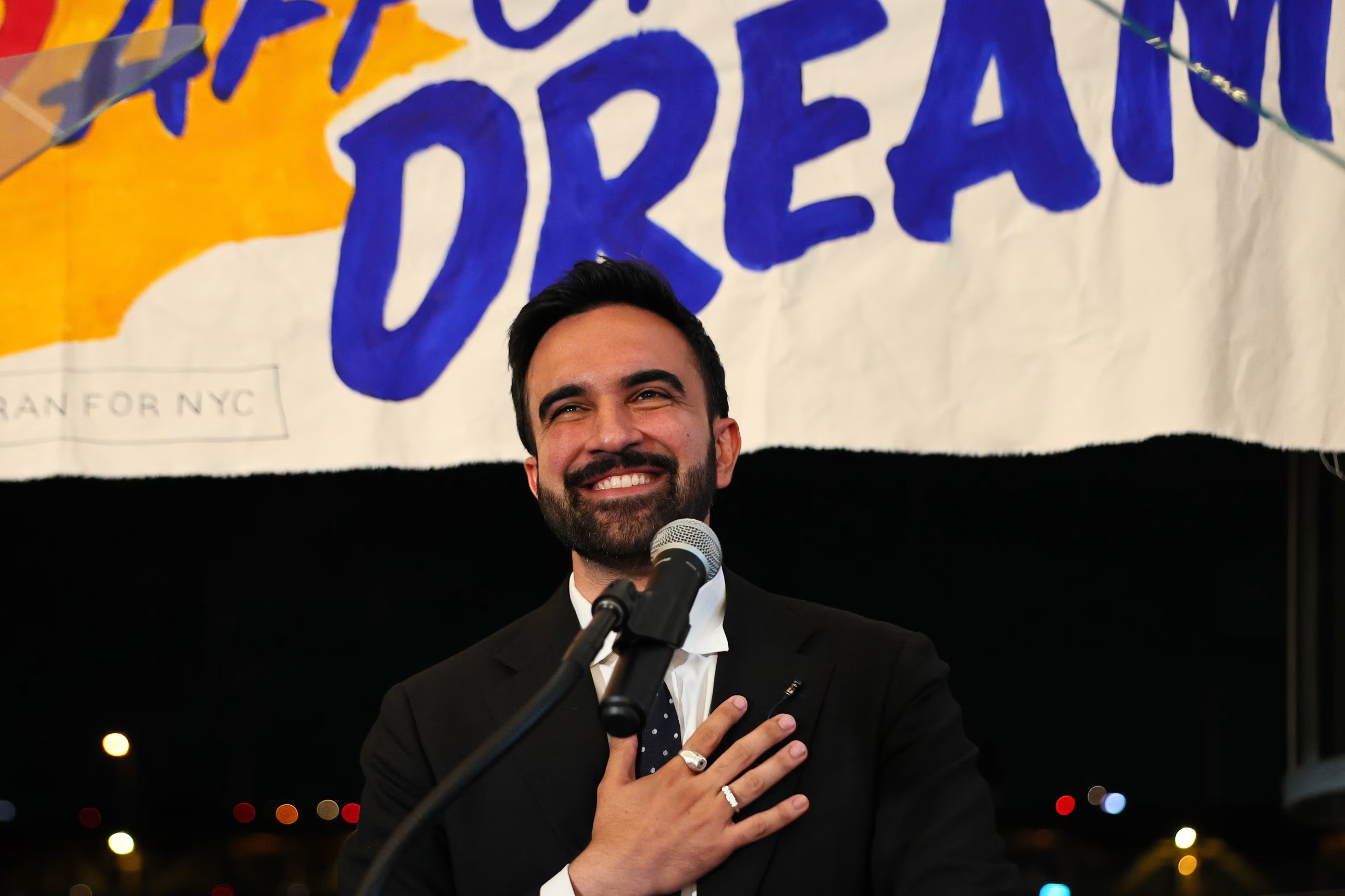
Here’s a clear case: Zohran Mamdani represents something bigger than one candidacy. For LGBTQ+ people, and for us all, his rise signals possibilities. Let’s break it down in three parts — his background, what he offers to the LGBTQ+ community, and why he matters more broadly in the U.S. political landscape.
1. His story
- Mamdani was born in Kampala, Uganda, in 1991. (en.wikipedia.org)
- He moved to New York City around age seven. (en.wikipedia.org)
- He serves in the New York State Assembly representing Queens. (en.wikipedia.org)
- His campaign has focused on affordability, public transit, housing, and challenging political norms. (zohranfornyc.com)
- He is part of a younger generation of candidates, combining grassroots organising, digital outreach, multicultural background. (theguardian.com)
2. What he means for the LGBTQ+ community
LGBTQ+ rights aren’t separate from housing, health, or transport. They are tied to them. Queer people, especially those who aren’t wealthy, are often hit first and hardest when rent spikes, when subways fail, or when healthcare access collapses. A politics that tackles those structural issues is a queer politics, even when it’s not wrapped in a rainbow flag.
Mamdani’s platform connects those dots. When he fights for affordable housing, he’s fighting for queer youth who are more likely to face homelessness. When he campaigns for better public transit, he’s defending the daily safety of trans people who rely on buses and trains to get to work or appointments. When he challenges economic inequality, he’s confronting the same systems that make LGBTQ+ lives precarious.
Here’s how his candidacy resonates, and why you might care.
- Representation and intersectionality: While Mamdani is not publicly known as a queer person, his politics reflect multiple identities (immigrant, Muslim, person of colour) that often sit outside dominant power structures. For LGBTQ+ people who also live with intersectionality, this matters: it shows the possibility of someone who is not “just straight white male politician” leading big fights.
- Solidarity around rights and inclusion: A candidate who speaks to housing justice, public transit, cost of living, and fights for the working class creates a favourable environment for LGBTQ+ people—especially those who live outside affluent niches. When you push for equity across society, you strengthen the case for LGBTQ+ equity too.
- Cultural shift in politics: His campaign style—youth-led, media-savvy, inclusive of diverse communities—helps normalise that queer-friendly politics is part of broader progressive politics, not a niche add-on. That means the lens of “we fight for gay/trans rights” moves into “we fight for human dignity” more broadly.
- Potential for bridging communities: LGBTQ+ rights frequently get framed as “identity politics” rather than economic justice. A candidate like Mamdani helps change the narrative: queer people benefit from low rent, good transit, strong social services—issues he emphasises. That creates common ground across LGBTQ+ and non-LGBTQ+ constituencies.
3. Why he matters for the U.S. in general
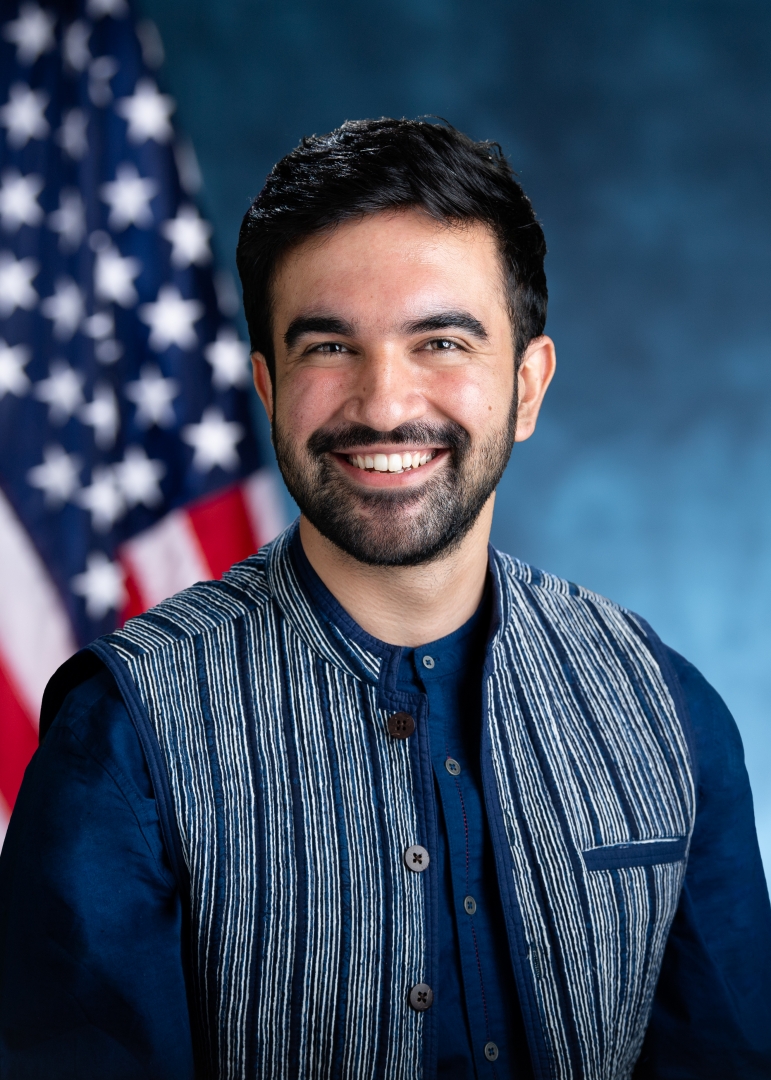
- Generational change: His victory (or strong candidacy) marks a shift away from political establishment models toward younger leaders with different styles. (theguardian.com)
- Model for the national left/centre: His campaign suggests that focusing on affordability, housing, transit, rather than only cultural issues, may widen appeal. (theguardian.com)
- Multicultural, multilingual appeal: In a diverse city like New York, his background and outreach (e.g., using non-English languages) matter. That kind of politics may be increasingly important for the U.S. as demographic change continues. (theguardian.com)
- Challenges conventional wisdom: He shows that someone labelled a “democratic socialist” can win major contests. That forces both major parties to reconsider their assumptions about who can win and how. (theguardian.com)
Inclusive (GASP!) Messaging That Works
What’s remarkable about Mamdani is how his message reaches across divides. He talks about fairness and dignity in a way that includes everyone. That’s what effective inclusion (screw backward-looking populism) looks like—it doesn’t isolate queer rights from broader struggles, it integrates them.
He never panders. He doesn’t make diversity a marketing point; he makes it a fact of life. His campaign language shows how inclusive storytelling grows reach: people connect to the idea of shared struggle far more than to slogans.
For LGBTQ+ advocates, this is a crucial lesson. Real change doesn’t come from visibility alone, but from embedding equality into the fights for housing, healthcare, wages, and transit. Mamdani’s approach proves that inclusive politics isn’t “niche”—it’s the foundation of a healthy society.
The Bigger Picture
Mamdani’s success shows what the next phase of progressive politics might look like. It’s multicultural, policy-driven, and community-based. It refuses to separate identity from material needs. That kind of leadership gives hope to everyone who’s tired of culture wars and hungry for solutions that improve real lives.
He’s not a perfect politician. No one is. But he’s a reminder that allyship is about structure, not slogans. And that’s why we love him, and why he will win.