Instagram, the visual playground where influencers flaunt their latest fashion finds and foodies showcase their culinary masterpieces, has become a battleground for a different kind of content: LGBTI+ representation. Once a vibrant tapestry of queer voices, the platform has seen a troubling trend of erasure. Posts that celebrate love, identity, and community are being flagged, removed, or buried under the weight of algorithmic bias.
Instagram banned gayRIOT before we even posted anything.
It’s as if the digital world is saying, “Sorry, but your existence doesn’t fit our aesthetic.” This isn’t merely a case of a few overly sensitive moderators; it’s a systemic issue that reflects broader societal attitudes toward LGBTI+ individuals. The irony is palpable: a platform designed to connect people and foster creativity is simultaneously silencing some of its most colorful contributors. The stories shared by queer individuals—stories of love, struggle, and triumph—are being stifled, leaving a void where visibility and representation should thrive.
It’s like watching a vibrant mural being painted over with a dull coat of beige.
Censorship and Discrimination: The Impact on the LGBTI+ Community
The Silencing of Voices
Imagine being part of a community that has fought tirelessly for recognition and acceptance, only to have your voice muted by a platform that claims to champion diversity. The impact of this censorship extends beyond individual posts, creating an environment where LGBTI+ individuals may feel discouraged from sharing their experiences or expressing their identities.
A Chilling Effect
When your content is consistently flagged or removed, it sends a message: “Your story doesn’t matter.
” This can lead to a chilling effect, where people self-censor out of fear of being silenced. The very act of sharing one’s truth becomes fraught with anxiety, and that’s a heavy burden to bear in a world that often feels hostile enough as it is.
The Weight of Erasure
The consequences of censorship can be devastating, leading to feelings of invisibility and erasure. It’s enough to make anyone want to give up, but it’s essential to continue sharing our stories and fighting for our voices to be heard.
The Role of Homophobia in the Removal of LGBTI+ Content
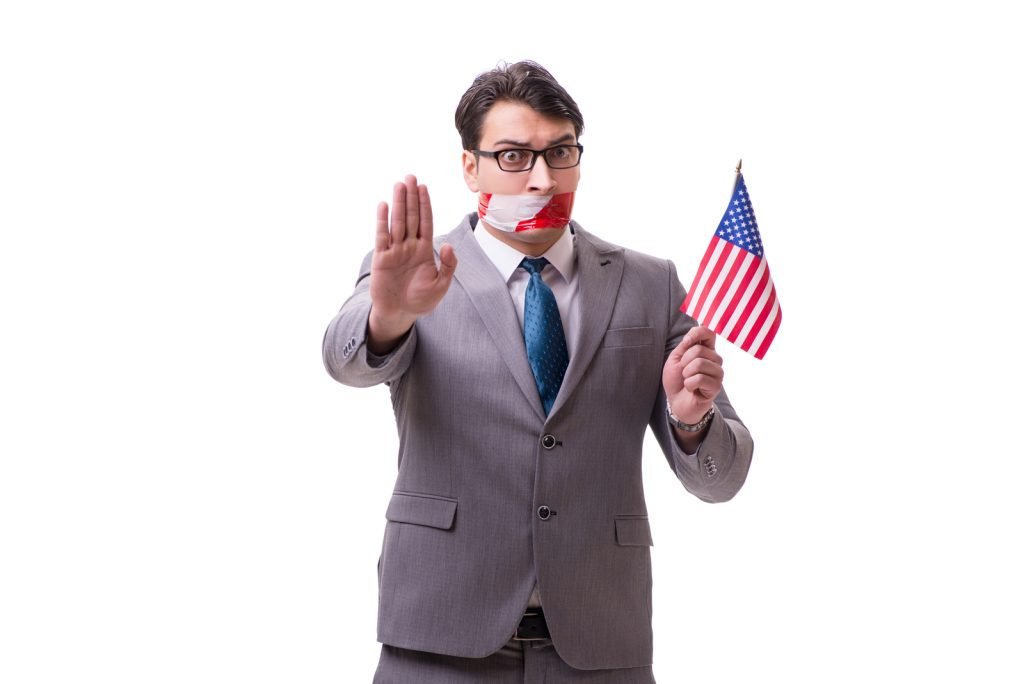
Welcome to America.
Let’s not sugarcoat it: homophobia plays a significant role in the removal of LGBTI+ content on platforms like Instagram. While some may argue that content moderation is about maintaining community standards, the reality is that these standards are often steeped in bias. Look at the utter crap you’ve seen. Posts that celebrate queer love or challenge heteronormative narratives are frequently flagged as inappropriate, while similar content featuring heterosexual relationships sails through unscathed.
It’s like a double standard on steroids, and it’s exhausting. This selective enforcement of rules reveals an underlying homophobia that permeates not only social media but society at large. It’s as if there’s an unspoken agreement that queer narratives are less worthy of space and visibility.
This bias can manifest in various ways—from algorithmic discrimination to the personal biases of moderators who may not understand or appreciate the nuances of LGBTI+ experiences. The result? A digital landscape that mirrors the prejudices found in the real world, leaving many feeling marginalized and unwelcome.
Fighting Back: Advocacy and Activism in Response to Censorship
In the face of such adversity, the LGBTI+ community has shown remarkable resilience and creativity. Activism has taken on new forms as individuals and organizations rally against censorship and discrimination on social media platforms. Hashtags like #FreeThePride and #ProtectLGBTQVoices have emerged as rallying cries, uniting people across the globe in their fight for visibility and representation.
It’s heartening to see how social media can be wielded as a tool for advocacy, even when it feels like it’s working against you. Grassroots movements have sprung up, demanding accountability from platforms like Instagram. These activists are not merely complaining; they’re taking action—organizing protests, creating petitions, and engaging in dialogue with platform representatives.
They’re shining a spotlight on the inconsistencies in content moderation policies and pushing for changes that prioritize inclusivity over censorship. It’s a powerful reminder that when faced with injustice, communities can come together to demand change, proving that solidarity is more than just a buzzword; it’s a lifeline.
The Importance of Inclusive Platforms: Creating Safe Spaces for LGBTI+ Content
Yes, yes, DEI is now a dirty word in America, but the need for inclusive platforms has never been more pressing. Social media should be a space where everyone feels safe to express themselves without fear of censorship or discrimination. Imagine a world where LGBTI+ individuals can share their stories freely—where love is celebrated in all its forms, and diverse identities are embraced rather than erased.
This isn’t just wishful thinking; it’s a necessity for fostering understanding and acceptance in society. Creating safe spaces for LGBTI+ content means more than simply allowing posts to exist; it requires active engagement from platform creators and users alike. It involves implementing policies that protect marginalized voices and ensuring that moderation practices are fair and unbiased.
Platforms must prioritize diversity in their teams, bringing in individuals who understand the complexities of LGBTI+ experiences. After all, how can you create an inclusive environment if you don’t have diverse perspectives at the table?
Moving Forward: Addressing the Systemic Issues of Censorship and Homophobia on Social Media
We have to try .
As we look to the future, it’s clear that addressing systemic issues of censorship and homophobia on social media requires a multifaceted approach. It’s not enough to simply tweak algorithms or update community guidelines; we need a cultural shift within these platforms that values inclusivity as much as it does profit margins. This means holding social media companies accountable for their role in perpetuating discrimination and demanding transparency in their content moderation practices.
Moreover, education plays a crucial role in dismantling homophobia within these digital spaces. Training moderators to recognize bias and understand the nuances of LGBTI+ content can help create a more equitable environment for all users. Additionally, fostering open dialogue between platforms and the communities they serve can lead to meaningful change—because let’s face it: no one knows what LGBTI+ individuals need better than LGBTI+ individuals themselves.
In conclusion, the fight against censorship and discrimination on social media is far from over. But with advocacy, activism, and a commitment to inclusivity, there’s hope for a future where LGBTI+ voices are still celebrated rather than silenced. As we navigate this complex landscape, let’s remember that every post shared, every story told, and every voice amplified contributes to a larger narrative—a narrative that deserves to be heard loud and clear.