Nearly everyone knows the Castro. Nearly everyone knows the Marais, Chueca, Soho, Boystown. They’re famous for a reason — decades of bar culture, activism, and rent-controlled apartments full of people who showed up in the ’70s and never left. But the gayborhood, as a global phenomenon, is way bigger and way stranger than the six neighborhoods that show up on every “best gay cities” listicle. There’s a gay village in Lebanon that survives despite a colonial-era sodomy law still technically on the books. There’s a Tokyo district the size of five city blocks that holds the highest concentration of gay bars on Earth, where most regulars don’t actually live anywhere near it. There’s a South African neighborhood that academics are now studying as a case of “de-gaying” in real time — a queer space getting straightened out by the exact same tourism dollars that built it up.
This is a tour through the gayborhoods that don’t make the easy lists. Some are thriving. Some are fighting for survival against gentrification, government crackdowns, or just plain straight people discovering good cocktail bars. All of them deserve more attention than they get.
Shinjuku Ni-chōme, Tokyo, Japan
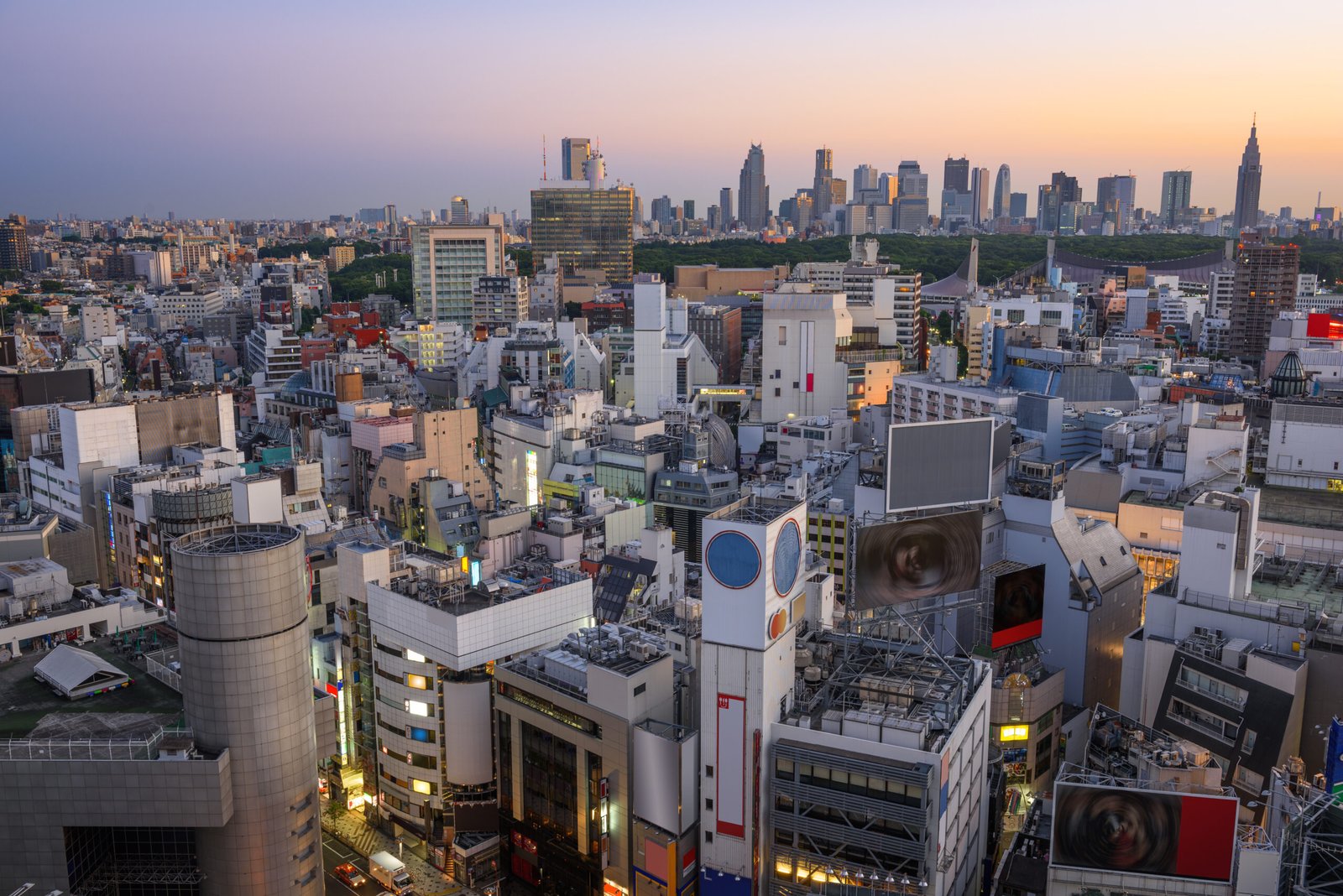
Five blocks. That’s it. Ni-chōme packs an estimated 300 gay bars and clubs into roughly five city blocks east of Shinjuku Station — the highest concentration of gay bars anywhere on the planet, in the world’s most populous metro area. The history is a direct product of postwar regulation: Ni-chōme had been one of Tokyo’s licensed red-light districts until the 1956 Prostitution Prevention Law shut the sex trade down, and gay bar owners moved into the suddenly-cheap, suddenly-empty storefronts almost immediately. By the late 1950s it was already known as a gay neighborhood. It’s been one ever since.
What makes Ni-chōme genuinely strange by Western gayborhood standards is that almost nobody actually lives there. A study of the area found that gay men and lesbians in Tokyo consistently choose not to reside in Ni-chōme itself — too noisy, too expensive, too littered, and carrying social risk for anyone whose neighbors might clock the address. So Ni-chōme functions almost entirely as a destination rather than a community: tiny, intimate bars (most seat fewer than a dozen people), run by “masters” who curate exactly who’s welcome through admission policies and unspoken house rules. You don’t relocate your life here. You show up, find your bar, and become a regular.
The bars themselves split along lines that would feel unusually specific anywhere else — bear bars, twink bars, lesbian-only spaces, mixed bars, foreigner-friendly bars, and a separate category that locals and researchers describe candidly as racially stratified, where certain bars implicitly cater to specific nationalities. It’s an uncomfortable layer of the neighborhood’s social fabric that doesn’t get mentioned in the breezy travel write-ups, but it’s been documented by academic researchers studying “ethnosexual” dynamics in the district. The neighborhood has also weathered a real gentrification scare: when the Fukutoshin subway line opened a station essentially on Ni-chōme’s doorstep in 2008, property values rose and a wave of straight female customers — and eventually tourists of every kind — started showing up, prompting headlines asking whether Japan’s gay district was dying. It wasn’t. It got busier, messier, and somewhat less exclusively gay, but the bars are still there, still tiny, still mostly Japanese-run, still going strong.
LGBTQ+ overall, but men-dominated. The bar scene is overwhelmingly male-coded, though lesbian bars and mixed venues exist within it.
De Waterkant, Cape Town, South Africa
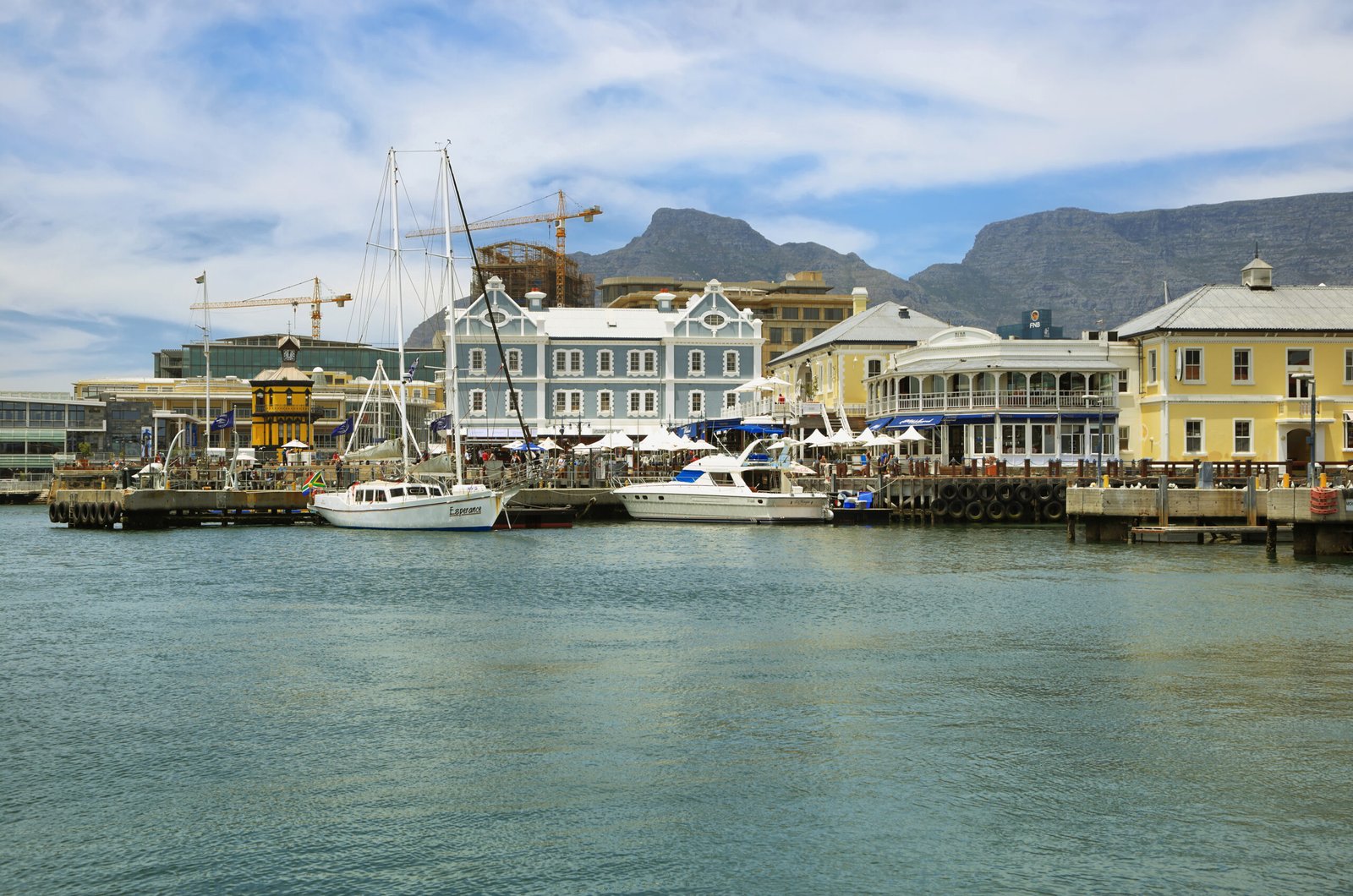
Maybe Africa’s only fully developed gay village, and arguably its most academically interesting one, because researchers are currently watching it disappear in slow motion — and writing papers about exactly why.
De Waterkant started as a working-class Cape Malay neighborhood on the slopes of Signal Hill, its cobbled streets and brightly colored houses dating back to the 1700s, originally home to descendants of enslaved people brought to the Cape by the Dutch from across Africa, India, Sri Lanka, and Southeast Asia. In the post-apartheid 1990s and 2000s, as South Africa became — on paper, the first country in the world to constitutionally outlaw discrimination based on sexual orientation — gay business owners moved in, restored the Victorian-era houses, and built what became known as the Pink District, complete with a Pink Lane walking route and, in 2022, Cape Town’s first rainbow crosswalk.
Here’s where it gets academically interesting: a 2020 peer-reviewed study in the International Journal of Tourism Cities interviewed De Waterkant’s remaining gay business owners and concluded the neighborhood is undergoing what researchers call “de-gaying” — the transformation of a “gaytrified” tourism destination into a “heterosexualised” urban space. The exact mechanism is location-specific rather than the generic “rising rents pushed everyone out” story you hear about Western gayborhoods. Researchers argue Western theories of gayborhood decline don’t fully explain what’s happening here, which is itself a notable finding — it suggests every gayborhood’s death (or survival) follows its own local logic, not a universal script.
What it looks like on the ground: De Waterkant remains South Africa’s gay capital-within-a-capital, home to more than 100 queer-owned and queer-friendly businesses, Pride marches, drag brunches, and a thriving nightlife scene that anchors Cape Town’s reputation as “the gay capital of Africa.” It’s also, increasingly, just an upscale, trendy, mixed neighborhood that happens to have a rainbow crosswalk. Both things are true simultaneously, which is exactly what makes it worth watching.
LGBTQ+ overall, with a historically strong gay male bar and club presence.
Mar Mikhael, Beirut, Lebanon
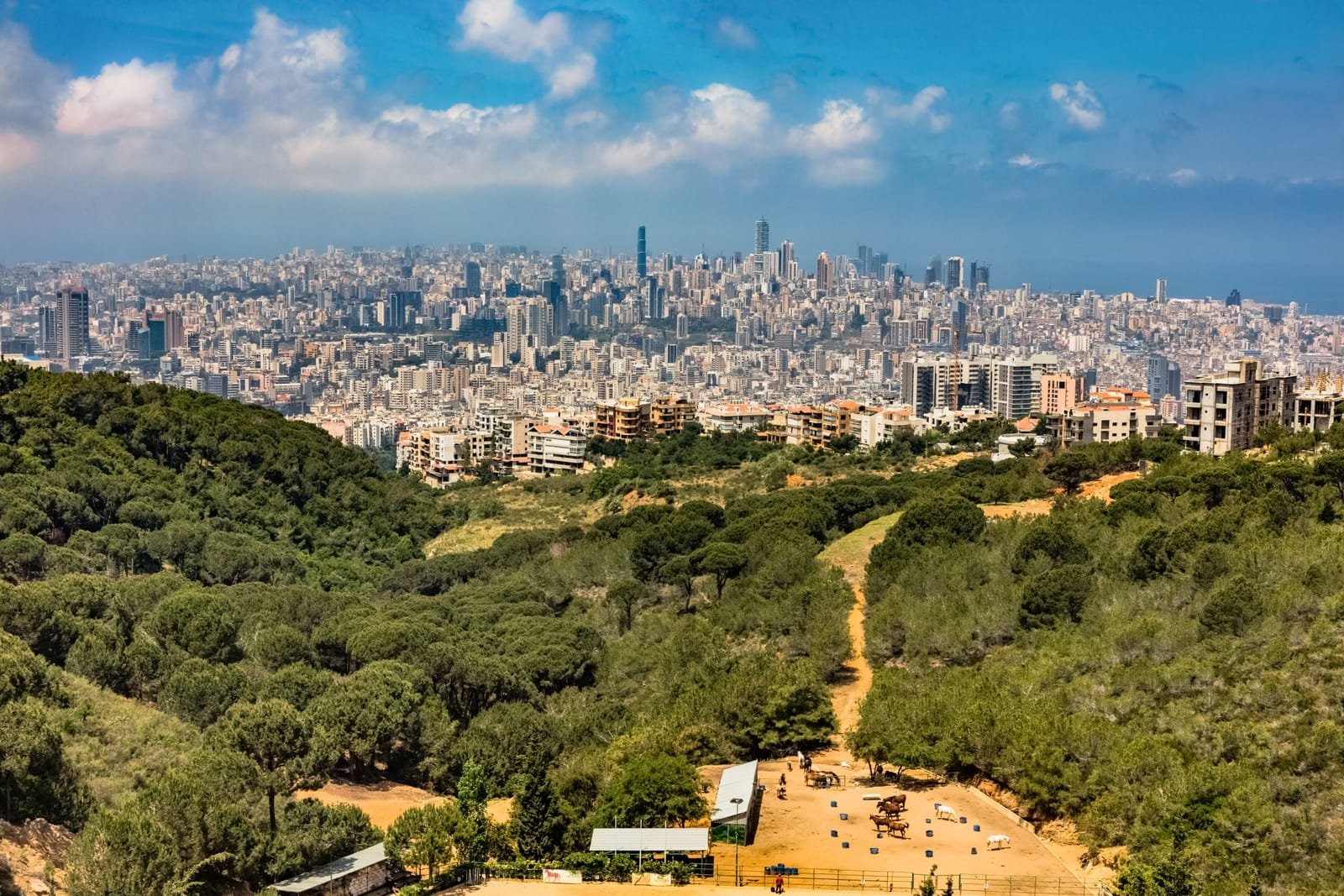
The single most surprising entry on this list, and the one that deserves the most context.
Lebanon technically still criminalizes homosexuality. Article 534 of the penal code, an 80-year-old colonial-era law prohibiting sex “contradicting the laws of nature,” remains on the books, and police have used it to harass and arrest LGBTQ people as recently as 2014, when Beirut’s Internal Security Forces raided the Agha Hammam bathhouse in Hamra and detained 27 men, several of whom reported being tortured in custody. And yet Beirut has had, since 2017, the Arab world’s only Pride event — Beirut Pride, the largest LGBTQIA+ gathering anywhere in the region — and a functioning gayborhood operating in relatively open defiance of the law that technically governs it.
That neighborhood is Mar Mikhael, a strip of bars, restaurants, and art galleries that one local activist described as queer-coded “old during the day and young during the night.” In 2019, Beirut Pride got 18 bars and restaurants along Mar Mikhael’s main street to fly rainbow flags for a week — a small thing in most cities, a genuinely bold public statement in one where the act could theoretically expose business owners to legal risk. The neighborhood’s queer identity isn’t separatist in the way Western gayborhoods often are; locals describe the bar and club scene as fundamentally blended, gay and straight regulars mixing without much friction, because in a country this size there often isn’t the critical mass to sustain an exclusively gay scene the way Chelsea or the Castro can.
Then came August 4, 2020. The Beirut port explosion — one of the largest non-nuclear explosions in recorded history — tore through the city and devastated Mar Mikhael along with the neighboring district of Gemmayzeh, destroying the centuries-old buildings that housed the bars, galleries, and apartments that made up the neighborhood’s queer social infrastructure. Sandra Melhem, owner of the Beirut gay club Ego, called the blast a moment that “took away our hope,” and described how the community turned outward afterward, providing aid to non-queer neighbors in ways that, she said, shifted some attitudes in areas she’d previously avoided sending visibly gay friends. Mar Mikhael has been rebuilding since, against a backdrop of Lebanon’s ongoing economic collapse, which has also claimed gay bars that once anchored the scene, including the long-running Bardo.
LGBTQ+ overall, blended with the general nightlife scene — not a separatist enclave so much as a queer-friendly cultural hub within a much larger entertainment district. Visit with awareness: public displays of affection carry real legal risk outside specific venues, and the situation can shift quickly.
Jardins, São Paulo, Brazil
Jardins doesn’t get the international attention that Oxford Street or the Marais gets, which is bizarre given that it’s home to Latin America’s largest gay nightclub, Amerika, and sits in a city whose annual Pride parade routinely draws several million people — making São Paulo’s Pride one of the largest LGBTQ gatherings on Earth, full stop. Jardins is an upscale residential and commercial district, leafy and architecturally varied, where the gay scene operates less as a concentrated “gayborhood” in the Western strip-of-bars sense and more as a dispersed but unmistakable presence woven into the area’s restaurants, design shops, and nightlife.
The defining quirk: the Frei Caneca shopping mall in Jardins has been informally nicknamed “Gay Caneca” by locals, a reflection of how thoroughly cruising and queer social life have folded themselves into completely mainstream commercial space — a mall, not a bar district, becoming a recognized node of gay social geography. Brazil’s broader LGBTQ political reality is genuinely contradictory: it has one of the largest and most visible Pride movements in the world alongside some of the highest recorded rates of anti-LGBTQ violence globally, and that tension shows up locally in how openly queer life in Jardins presents itself — confidently public in commercial and nightlife spaces, more careful elsewhere.
LGBTQ+ overall, dispersed through an affluent district rather than concentrated on a single strip.
Le Village Gai (the Village), Montreal, Quebec, Canada
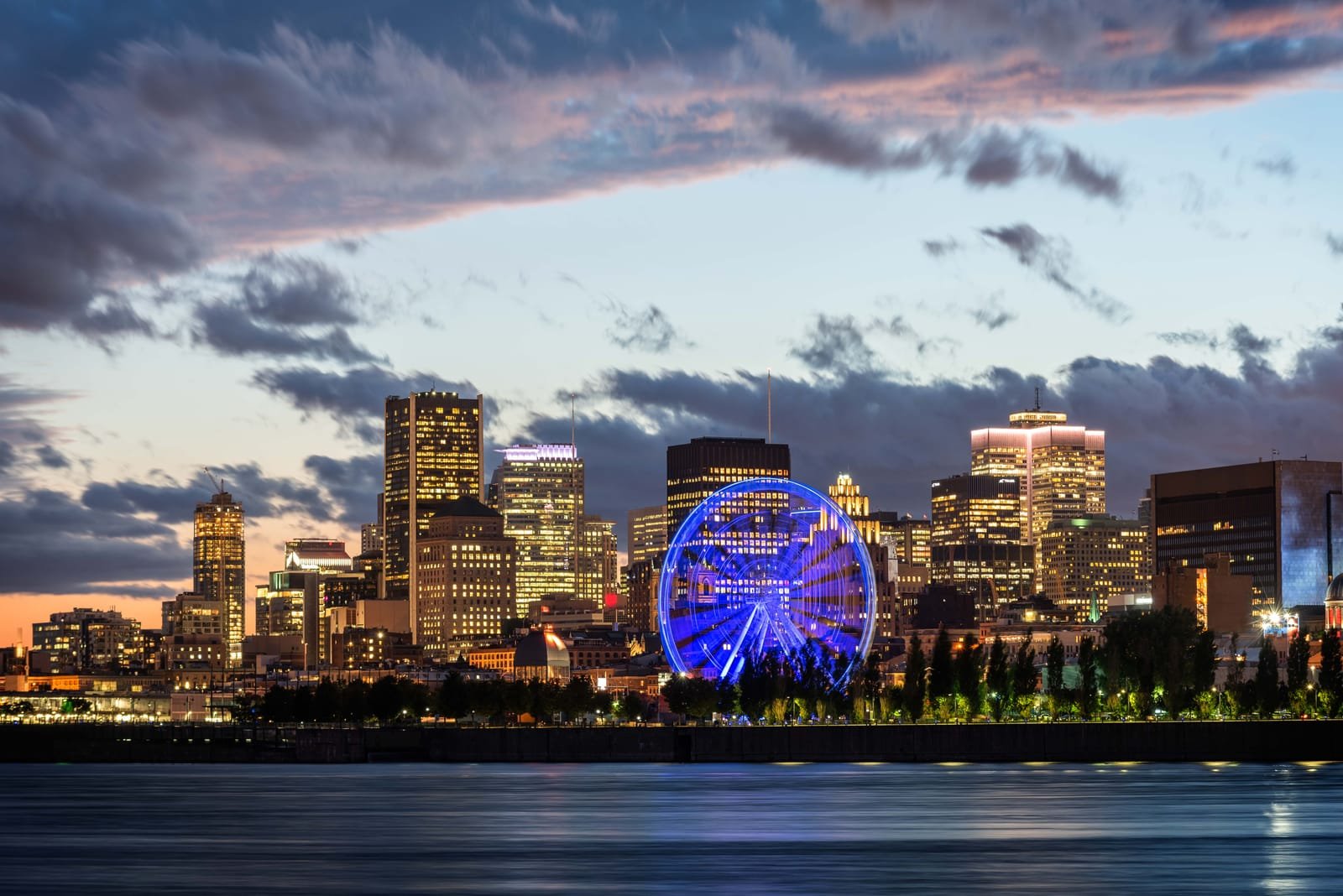
Montreal’s Village gets name-checked more than most entries here, but it’s still routinely passed over in favor of Toronto when people plan Canadian gay travel, which is, frankly, a mistake locals will happily correct you on.
Centered on Rue Sainte-Catherine and administratively part of what the city calls Centre-Sud, the Village is one of North America’s largest gay villages by population, concentration, and physical scope — nearly a mile of LGBTQ-centric restaurants, clubs, saunas, and boutiques. The visual signature is the overhead canopy of roughly 180,000 colorful plastic balls strung across the street every summer, turning the whole strip into an open-air installation that’s become one of the most photographed gay spaces in the world without anyone outside Canada quite knowing its name.
What distinguishes the Village historically from, say, the Castro or Chelsea, is that it grew out of a working-class francophone neighborhood rather than a bohemian or artist enclave, which gives it a different texture — more neighborhood bar than scene, more multigenerational than youth-coded. It empties out considerably in winter (Montreal winters are not subtle) and roars back every spring, and the broader case for Montreal over Toronto, as more than one travel writer has put it, comes down to cost of living, cultural density, and a queer scene that feels less performative and more lived-in.
LGBTQ+ overall, historically gay-male-centric in its commercial core but broadly inclusive.
Ximen, Taipei, Taiwan
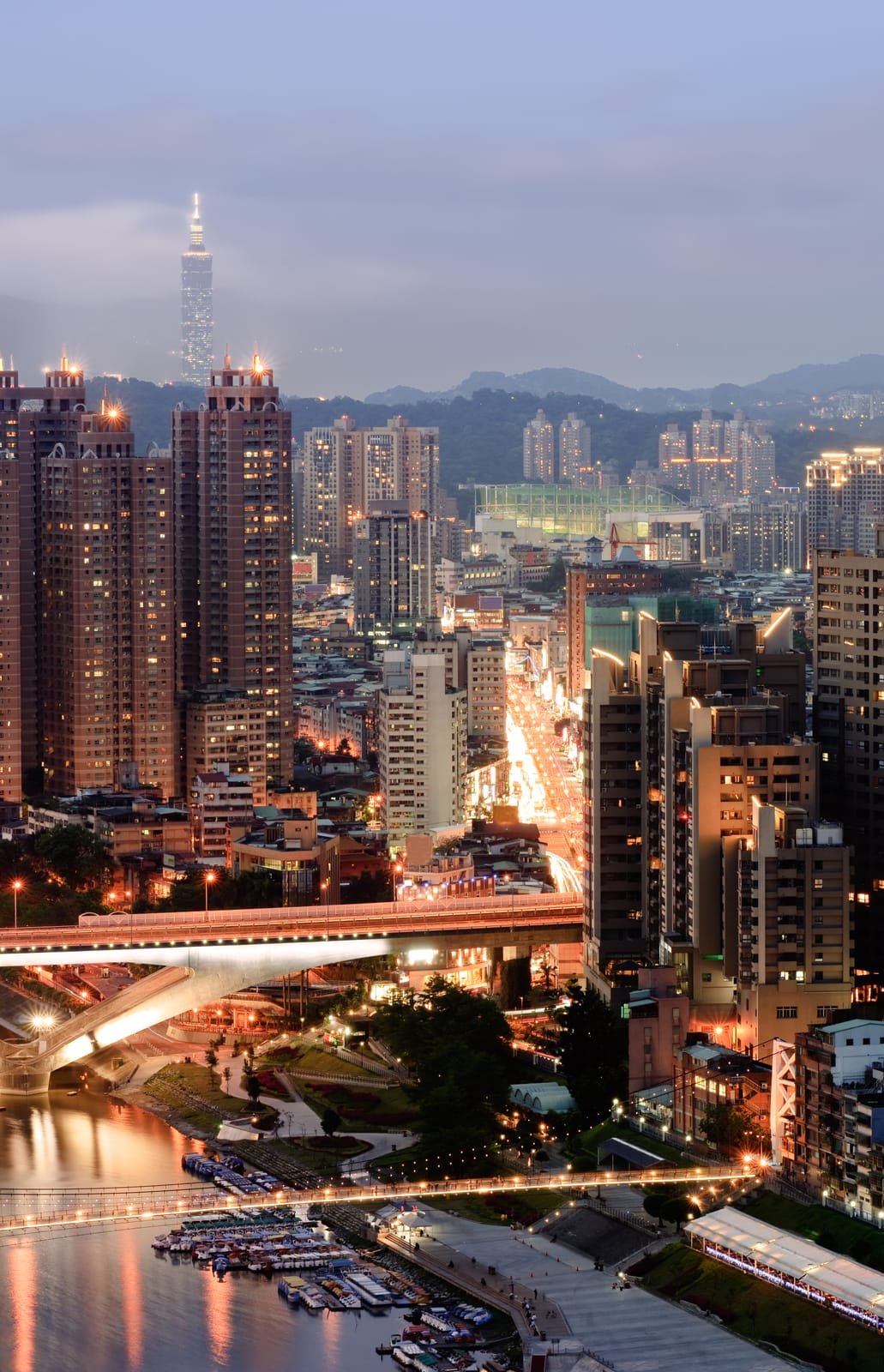
Taiwan made history in 2019 as the first country in Asia to legalize same-sex marriage, and Taipei followed by becoming the first major Asian metropolis to join the Rainbow Cities Network, an international coalition of cities formally committed to LGBTQ protections. Ximen — specifically the area around the Red House, a striking octagonal heritage building turned multi-level cultural complex — is the neighborhood that anchors this. Inside and around the Red House you’ll find gay bars, clubs, queer bookshops, and specialty retail, all clustered into a compact, walkable district that doubles as a genuine architectural landmark rather than just a strip of nightlife.
Taipei hosts the largest Pride parade in Asia, and Ximen functions as its symbolic and literal home base. The broader appeal, beyond Ximen itself, is that Taipei’s gay scene doesn’t live and die by one neighborhood — the city’s enormous night market culture means queer social life spills out everywhere, with Raohe Night Market regularly cited as a place to grab dinner solo and never actually feel alone. Taiwan’s legal status as the regional outlier on marriage equality gives Ximen a different kind of weight than most entries on this list: it’s not just a nightlife district, it’s the visible center of the one place in East Asia where the law is unambiguously on queer people’s side.
LGBTQ+ overall, men-skewing in the bar scene but broadly mixed.
Emiliano Zapata, Puerto Vallarta, Mexico
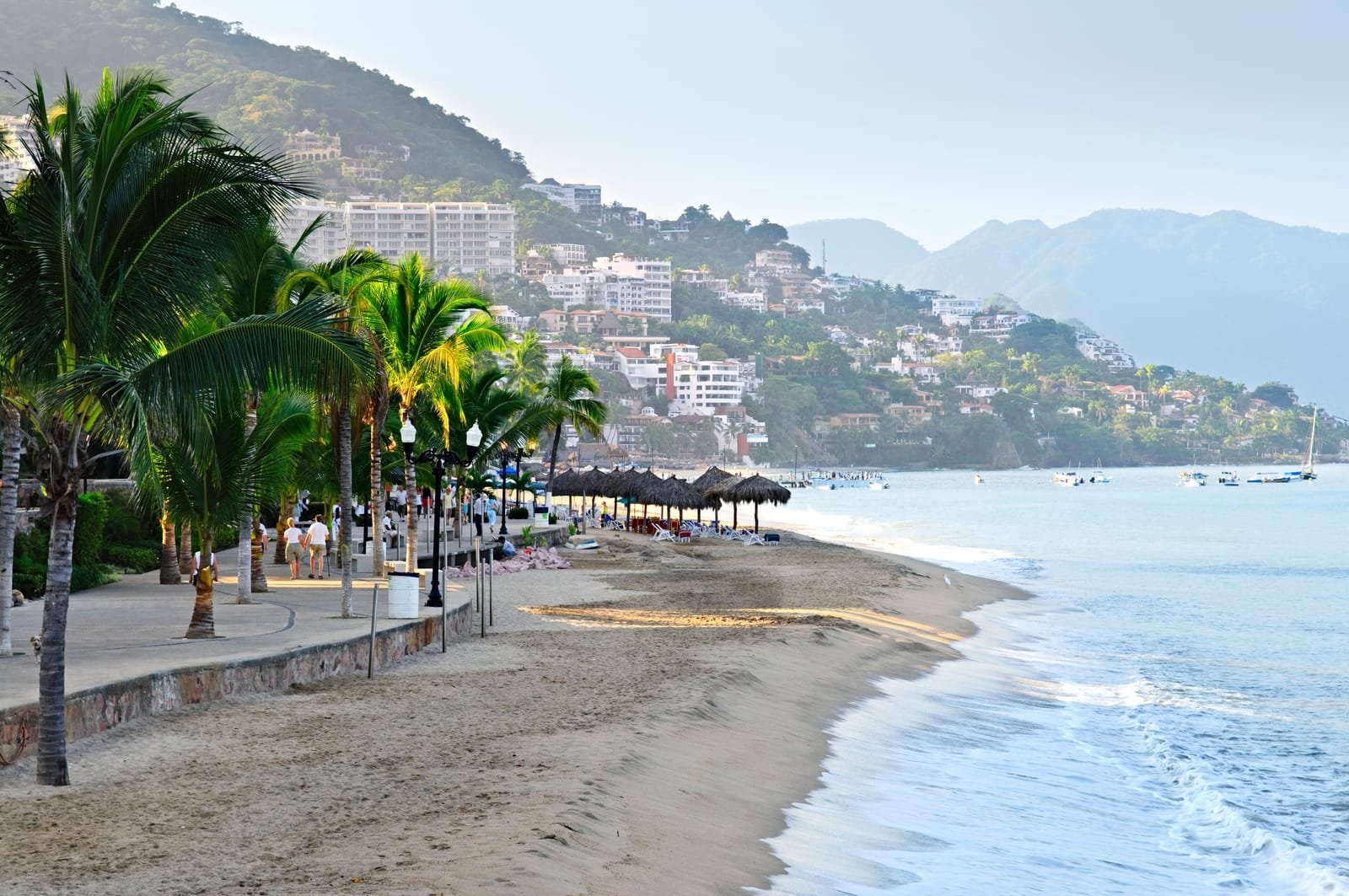
Most “underrated” lists skip Puerto Vallarta entirely because it’s already extremely well known as a gay destination — but the specific neighborhood, Zona Romántica, anchored by the colonia of Emiliano Zapata, still gets less individual attention than the broader “Puerto Vallarta is gay-friendly” branding the city has built since the 1960s.
Puerto Vallarta’s queer history traces back to the period when Elizabeth Taylor relocated to town during the filming of The Night of the Iguana, and gay travelers began following the resulting wave of international attention. Same-sex marriage has been legal in the state of Jalisco since 2016, well ahead of much of Mexico, and Zona Romántica is where that legal comfort translates into visible, lived neighborhood life — restaurants, beach clubs, and a year-round drag scene, peaking every May with Vallarta Pride, a week-long festival including BeefDip, one of the most-attended bear and chub events in Latin America.
What makes the neighborhood worth singling out from the city’s broader reputation is its physical compactness and walkability — a beachside colonia where gay-owned businesses sit interspersed with longtime local residents rather than a sealed-off tourist enclave, giving it a texture closer to a real neighborhood than a resort zone.
Primarily gay men, with a strong lesbian and broader LGBTQ+ presence in recent years as the scene has diversified.
Gaixample (Eixample Esquerre), Barcelona, Spain
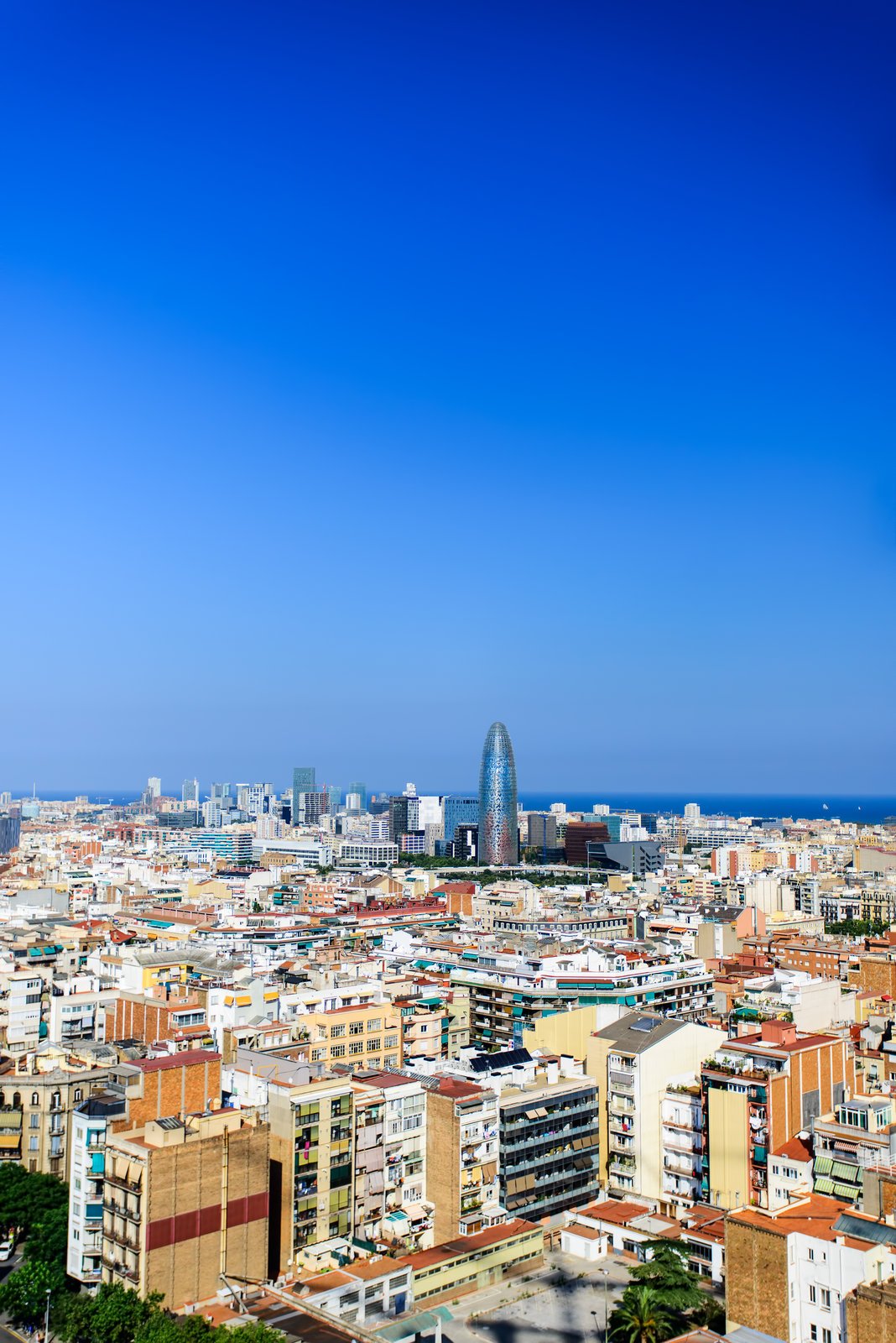
Barcelona’s Gaixample gets some international recognition but consistently loses the spotlight to Madrid’s Chueca, despite Barcelona being the first Spanish city to hold an LGBTQ demonstration, back in 1977, two years before Madrid’s Movida really got going. The neighborhood’s name is a portmanteau — gai plus Eixample, the elegant 19th-century grid district designed by Ildefons Cerdà — and it occupies the western half (Esquerre) of that grid, full of the same wide boulevards and Modernista architecture as the rest of the Eixample, just with a much higher concentration of queer bars, saunas, and clubs.
Gaixample’s identity is shaped heavily by its physical setting: rather than a scrappy, low-rise gay strip, it’s an elegant, architecturally significant neighborhood that happens to be gay, which gives it a different feel from louder, more nightlife-forward gay districts elsewhere in Europe. It functions as a year-round scene that intensifies dramatically every June for Barcelona Pride, but doesn’t depend on tourist traffic the way some Mediterranean gay destinations do.
Primarily gay men, with a strong bear and leather subculture presence specifically.
Northside, Cincinnati, Ohio, USA
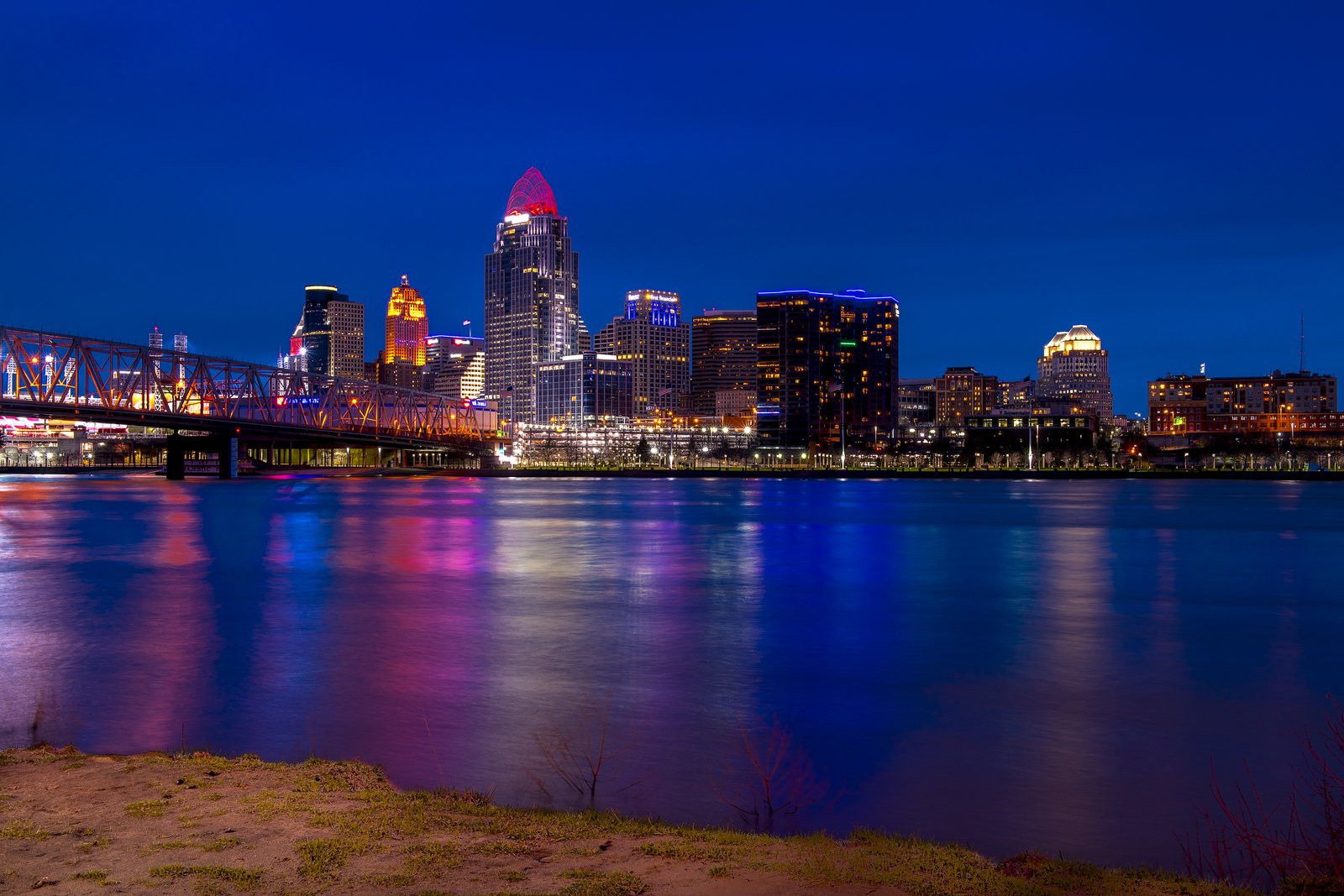
Most American gayborhood coverage cycles through the same dozen cities. Cincinnati rarely makes the list, which is exactly why it belongs here.
Northside, and the adjacent historic district of Over-the-Rhine, host a genuinely thriving cluster of queer-owned bars, businesses, and gathering spaces in a city that doesn’t carry the coastal-city gay reputation of San Francisco or New York. Tillie’s Lounge anchors the neighborhood’s nightlife with regular drag shows and queer bingo nights; Midwestern Lesbian operates as a community platform connecting LGBTQ organizations and events across the wider region. The vibe is unmistakably Midwestern — lower cost of living than the coasts, a strong DIY and community-organizing ethic, and a sense that the scene exists because locals built it deliberately rather than because the city’s reputation attracted it.
LGBTQ+ overall, with a particularly strong lesbian and queer-women presence relative to many American gayborhoods.
Comparison Table
| Neighborhood | Location | Who It’s For | Brief History |
|---|---|---|---|
| Shinjuku Ni-chōme | Tokyo, Japan | LGBTQ+ overall, men-dominated bar scene | Former licensed red-light district; gay bars moved in after the 1956 Prostitution Prevention Law shut down sex work; now the world’s densest concentration of gay bars, though few patrons actually live there |
| De Waterkant | Cape Town, South Africa | LGBTQ+ overall | Historic Cape Malay neighborhood revitalized as a gay village post-apartheid; now the subject of academic study on “de-gaying” — a gayborhood transforming back into a mainstream, heterosexualized tourist district |
| Mar Mikhael | Beirut, Lebanon | LGBTQ+ overall, blended with general nightlife | Bohemian arts and bar district that became the unofficial center of Beirut’s queer nightlife despite Lebanon’s continued criminalization of homosexuality; devastated by the 2020 port explosion, still rebuilding |
| Jardins | São Paulo, Brazil | LGBTQ+ overall, dispersed | Upscale residential district where queer nightlife and cruising culture embedded into mainstream commercial spaces, including a shopping mall locals nicknamed “Gay Caneca” |
| Le Village | Montreal, Canada | LGBTQ+ overall, historically gay-male core | Grew from a working-class francophone neighborhood into one of North America’s largest gay villages by scope; iconic for its summer canopy of 180,000 colored balls over Rue Sainte-Catherine |
| Ximen (Red House) | Taipei, Taiwan | LGBTQ+ overall, men-skewing nightlife | Heritage commercial district anchored by the Red House cultural center; became Taiwan’s queer hub as the country became the first in Asia to legalize same-sex marriage in 2019 |
| Zona Romántica / Emiliano Zapata | Puerto Vallarta, Mexico | Primarily gay men, growing LGBTQ+ diversity | Beachside colonia that became a gay destination after Elizabeth Taylor’s 1960s residency drew international attention; now Latin America’s most established LGBTQ+ beach town scene |
| Gaixample | Barcelona, Spain | Primarily gay men, strong bear/leather scene | Western half of the 19th-century Eixample grid; queer commercial district layered onto elegant Modernista architecture rather than a separate scrappy strip |
| Northside | Cincinnati, Ohio, USA | LGBTQ+ overall, strong lesbian presence | Midwestern neighborhood where queer-owned bars and community spaces grew organically without the coastal media attention typically given to American gayborhoods |
Why This Matters
There’s a recurring argument in queer media that gayborhoods are dying — that legal equality and mainstream acceptance have made dedicated gay neighborhoods obsolete, that everyone’s just absorbed into the general population now and doesn’t need a designated zone to be themselves. Plenty of writers have pushed back on this hard, and looking at this list, it’s not hard to see why. Ni-chōme isn’t dying, it’s adjusting to subway access. Mar Mikhael isn’t dying, it’s literally rebuilding after an explosion that would have ended most neighborhoods, queer or otherwise. De Waterkant might genuinely be the one example of real decline here — and even that is contested, location-specific, and actively being studied rather than simply mourned.
What connects all of these places isn’t really geography or even legal status. It’s that somebody, at some point, decided a specific patch of streets was going to be theirs, and then defended that claim through bar ownership, festival organizing, mutual aid, or just persistent, stubborn presence. Some of these neighborhoods are thriving. Some are precarious. All of them are worth visiting, supporting, and knowing the actual history of — not just the postcard version.
Sources
Shinjuku Ni-chōme — Wikipedia · Changing Colors: Tokyo’s Gay District, Nichome — Metropolis Magazine · The gay district as a place of residence for gay men and lesbians in Japan — academic study · De Waterkant — Wikipedia · LGBT tourism in South Africa — Wikipedia · Cape Town’s gay village: from “gaytrified” tourism Mecca to “heterosexualised” urban space — International Journal of Tourism Cities · The neighbourhood of De Waterkant, Cape Town · Being LGBTQ in Beirut — Airbnb Magazine · Beirut Pride — Wikipedia · Helem — Wikipedia · For Beirut’s gay community, chemical blast shattered a safe space — NBC News · Gay village — Wikipedia · 8 Underrated Cities for LGBTQ Singles — Matador Network · The Best Gayborhoods in the World — Penn State · The most LGBTQ+-friendly cities in the world — Time Out · 100+ Gayborhoods in the USA — Explore With Chase · Beyond the obvious: 5 underrated LGBTQ+-friendly cities — News Is Out · Your LGBTQIA+ guide to Cape Town — Contiki · LGBTQ rights in South Africa — Wikipedia